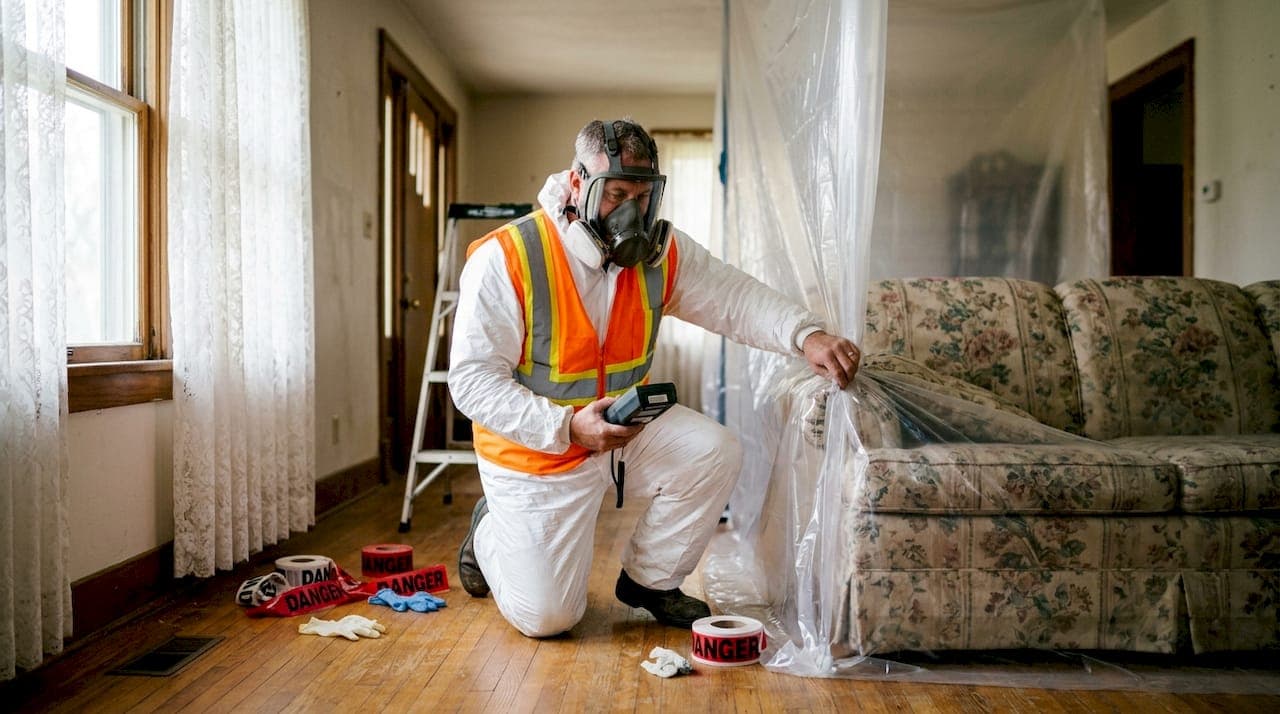
Abatement before renovation is defined as the licensed, regulated removal or containment of hazardous materials such as asbestos, lead paint, and mould before any construction work disturbs those materials. Understanding why abatement before renovation is required protects you from serious health risks, regulatory fines, and project shutdowns. Federal standards like EPA NESHAP and OSHA 29 CFR 1926.1101 make abatement legally mandatory whenever renovation or demolition disturbs regulated materials above defined trigger levels. In Canada, provincial building authorities mirror these requirements closely, and permit offices will reject your application without the right documentation.
Why is abatement before renovation required by law?
Professional abatement is legally required whenever renovation or demolition disturbs hazardous materials above federally defined trigger levels, under EPA NESHAP and OSHA standards. Violations expose property owners and contractors to both criminal and civil penalties. That legal exposure is not theoretical. Regulators have levied significant fines against owners who proceeded with renovations without completing required abatement steps.
Many municipalities link renovation and demolition permits directly to proof of licensed abatement. Permit authorities require documentation confirming licensed inspections and abatement completion before issuing any permit. Missing this documentation results in permit rejection, which stops your project before a single wall comes down. Treating abatement as a separate, optional step is the most common and costly mistake property owners make.
The regulatory framework also includes a mandatory waiting period. A minimum 10-day notification period must pass after all surveys and filings are complete before abatement or demolition work can legally begin. Starting work sooner is a direct violation of federal and provincial law. Combined with survey and inspection timelines, projects typically require an additional 2–6 weeks in the pre-construction phase before physical work begins.
What does abatement involve and which materials require it?
Abatement is an environmental compliance discipline, not a standard cleaning or demolition task. Licensed abatement professionals remove hazardous materials under strict regulations that include air quality monitoring and disposal to approved sites. This distinguishes abatement from ordinary renovation work and explains why unlicensed handling creates serious airborne contamination risks.
The materials that most commonly trigger abatement requirements in older Canadian buildings include:
- Asbestos: Found in floor tiles, pipe insulation, ceiling texture, and drywall compound in buildings constructed before the mid-1980s.
- Lead paint: Present in most painted surfaces in homes built before 1978, and a regulated hazard when sanding, cutting, or demolishing those surfaces.
- Mould: Requires remediation under specific conditions, particularly when renovation will disturb affected areas and spread spores.
- Vermiculite insulation: Often contaminated with asbestos and commonly found in attics of older Ottawa-area homes.
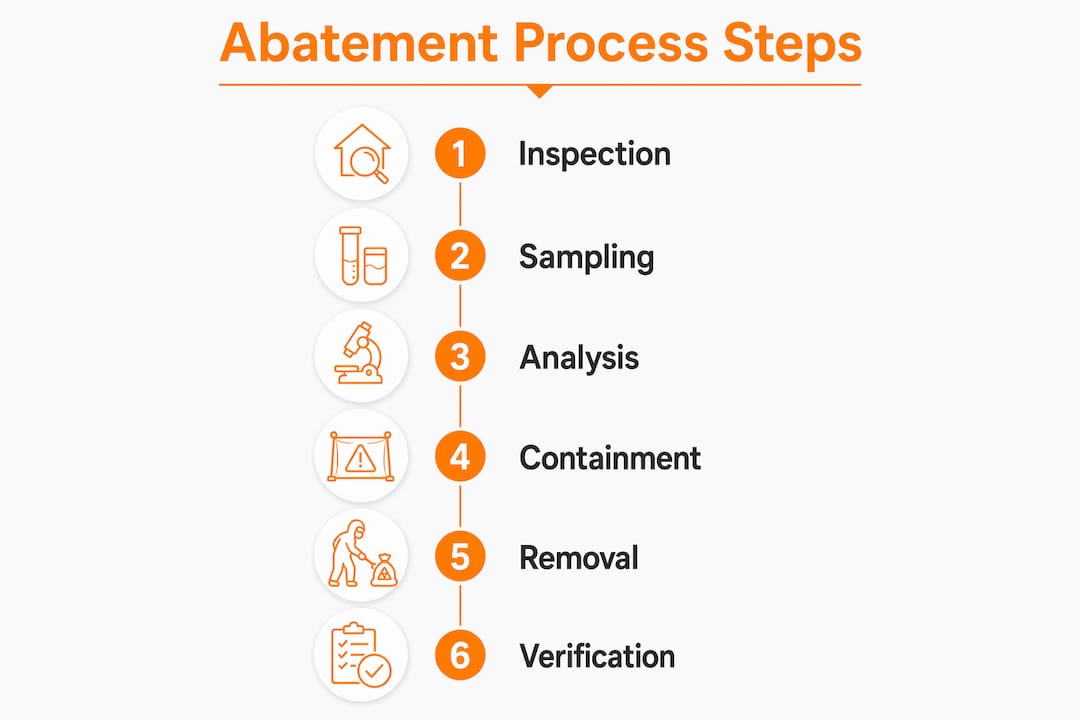
The abatement process follows a defined sequence. A licensed inspector surveys the building and collects samples for laboratory testing. Surveys and abatement plans must be completed and signed by licensed independent inspectors to qualify for municipal permits. After the survey, the inspector determines whether materials require full removal or whether management in place is appropriate.
Not all hazardous materials require removal. Intact, undisturbed materials may be managed in place under a formal maintenance plan. However, any disturbance such as cutting, drilling, or demolishing those materials triggers mandatory abatement. Renovation work almost always involves disturbance, which is why abatement is the rule rather than the exception for older properties.

Pro Tip: Before hiring any contractor for renovation work in a pre-1990 building, ask specifically whether they have checked for regulated materials. A contractor who skips this question is a contractor who may skip the abatement step entirely.
How do regulations and permits enforce abatement before renovation?
The regulatory process for abatement follows a clear sequence that property owners must understand before planning any renovation timeline.
- Pre-renovation survey: A licensed, independent inspector assesses the building for regulated materials. This inspector must be independent of the abatement contractor to avoid conflicts of interest.
- Laboratory analysis: Collected samples go to an accredited lab. Results determine which materials are regulated and at what concentrations.
- Abatement plan preparation: The inspector prepares a written abatement plan. This document is required for permit submission.
- Regulatory notification: The property owner or contractor files notification with the relevant authority. The mandatory 10-day waiting period begins only after this filing is accepted.
- Permit issuance: The municipal building department reviews the abatement plan and notification confirmation before issuing the renovation permit.
- Licensed abatement work: A certified abatement contractor completes the removal or encapsulation under controlled conditions with air monitoring.
- Clearance testing: An independent inspector conducts air sampling after abatement to confirm the area is safe before renovation proceeds.
Homeowners often assume they can conduct their own inspections or use a general contractor's assessment. Permit authorities require reports signed by state or provincially licensed independent inspectors. Self-conducted inspections do not satisfy this requirement and will result in permit rejection.
The consequences of skipping or shortcutting this process are significant. Non-compliance leads to work stoppages, mandatory remediation at the owner's expense, and potential criminal liability. The role of abatement in commercial renovation projects is especially pronounced because commercial permits face stricter scrutiny and larger fines.
Why is abatement critical for health and safety during renovation?
Asbestos fibres released when materials are disturbed pose serious respiratory health risks to workers, occupants, and surrounding neighbours. Proper containment, air monitoring, and clearance testing are critical parts of abatement to prevent exposure. Unlike many construction hazards, asbestos exposure has no immediate symptoms. Diseases like mesothelioma and asbestosis develop over decades, which means the harm from skipping abatement may not appear until long after the renovation is complete.
The health risks of improper handling extend beyond the building itself:
- Workers on site face the highest exposure risk during cutting, sanding, and demolition.
- Occupants in adjacent units or floors can inhale fibres that travel through HVAC systems and shared air spaces.
- Neighbours and passersby face risk if contaminated dust exits the building during uncontrolled demolition.
- Future occupants of the renovated space may encounter residual contamination if clearance testing was not performed.
The financial consequences of skipping abatement are equally serious. Standard Commercial General Liability insurance policies exclude coverage for asbestos-related bodily injury and property damage when abatement is not properly performed. That exclusion leaves property owners and contractors personally liable for medical claims, remediation costs, and legal fees. No renovation budget accounts for that kind of exposure.
Proper abatement eliminates these risks through a controlled process. Air monitoring during removal confirms that fibre levels stay within regulated limits. Clearance testing after removal confirms the space is safe before workers and occupants return. These steps are not optional extras. They are the mechanism by which abatement actually protects people.
How does abatement planning affect your renovation budget and timeline?
Early abatement planning is the single most effective way to control renovation costs. When hazardous materials are discovered after construction begins, emergency abatement is costly and causes major project delays. Contractors must stop work, the site must be secured, and an emergency abatement team must be mobilized before any renovation can resume. That sequence adds weeks and significant unplanned expense to any project.
| Planning approach | Typical outcome |
|---|---|
| Abatement surveyed and scheduled before renovation | Predictable timeline, permit issued without delays, costs built into budget |
| Abatement discovered mid-project | Work stoppage, emergency contractor fees, permit complications, cost overruns |
Ignoring abatement planning leads to unexpected work stoppages, unplanned costs, and project delays. Early integration of abatement into renovation schedules prevents this. The survey, notification period, and abatement work itself add 2–6 weeks to a project timeline when planned in advance. That same process can add months when it is discovered mid-renovation.
The practical approach is to include abatement in your initial contractor bids. Ask every contractor you consult whether their quote accounts for a pre-renovation hazardous material survey. If it does not, request a separate abatement estimate before finalizing your budget. Hmjcontracting provides itemized quotes that include abatement planning, so property owners in Ottawa know their full costs before work begins.
Pro Tip: Contact your municipal building department before submitting your permit application. Ask specifically which abatement documents they require. Some offices have additional local requirements beyond provincial minimums, and knowing this in advance prevents permit rejection.
You can also review signs you may need abatement before your renovation starts, which helps you budget accurately from the first planning conversation.
Key takeaways
Abatement before renovation is legally required, health-critical, and most cost-effective when planned at the start of a project rather than discovered mid-construction.
| Point | Details |
|---|---|
| Legal requirement | Abatement is mandatory under EPA NESHAP and OSHA standards whenever renovation disturbs regulated materials. |
| Permit dependency | Municipal permits require signed abatement plans from licensed independent inspectors before issuance. |
| Mandatory waiting period | A minimum 10-day notification period must pass after filing before abatement or demolition work can legally begin. |
| Health and liability risk | Standard liability insurance excludes asbestos claims when abatement is skipped, leaving owners personally exposed. |
| Budget and timeline | Early abatement planning adds 2–6 weeks but prevents costly emergency stoppages and unplanned expenses mid-project. |
What I have learned from years of abatement projects
The property owners who have the smoothest renovations are the ones who treat abatement as the first phase of the project, not an interruption to it. I have seen projects grind to a halt because a contractor hit unexpected asbestos in a wall cavity on day three of demolition. The cost to stop, secure, test, and remediate that situation was three times what a pre-renovation survey would have cost. That pattern repeats itself more often than it should.
The other thing I notice consistently is that property owners underestimate how much the permit process depends on abatement documentation. They assume a general contractor's verbal assessment is sufficient. Permit offices do not accept verbal assessments. They require signed reports from licensed independent inspectors, and they check credentials. Submitting incomplete documentation does not delay your permit by a day or two. It restarts the entire review process.
My honest advice is to schedule your hazardous material survey before you finalist your renovation budget. The survey result either confirms you have no regulated materials and you proceed with confidence, or it identifies what needs to be addressed and gives you real numbers to work with. Either outcome is better than discovering the problem after your contractor has already started tearing out walls.
Regulatory scrutiny on abatement compliance is increasing, not decreasing. Municipalities are tightening documentation requirements and increasing inspection frequency. Property owners who treat abatement as a formality are taking on more risk every year, not less.
— Jason
Abatement services from Hmjcontracting for Ottawa property owners
Hmjcontracting provides licensed abatement services for asbestos, lead, and mould in residential and commercial properties across Ottawa. Every project starts with a thorough assessment and an itemised quote so you know exactly what the abatement process involves and what it costs before any work begins.

Hmjcontracting's team holds the certifications required by Ontario regulations and integrates abatement with renovation and demolition services so your project moves from hazardous material removal to finished renovation without switching contractors or losing time. With a 5.0-star Google rating and hundreds of completed projects in the Ottawa area, Hmjcontracting is the contractor property owners call when they need abatement done correctly the first time. Contact Hmjcontracting to schedule your pre-renovation assessment and get a clear, honest quote.
FAQ
What does abatement mean in a renovation context?
Abatement in renovation means the licensed removal or containment of hazardous materials such as asbestos, lead paint, or mould before construction work disturbs those materials. It is a regulated environmental compliance process, not a standard cleaning task.
When is abatement legally required before renovation?
Abatement is legally required whenever renovation or demolition will disturb regulated hazardous materials above trigger levels defined by EPA NESHAP, OSHA, and provincial regulations. This applies to most renovation work in buildings constructed before the mid-1980s.
How long does the abatement process take before renovation can start?
The abatement process typically adds 2–6 weeks to a project timeline, including the survey, laboratory analysis, mandatory 10-day notification period, licensed removal, and clearance testing. Planning abatement before finalising your renovation schedule prevents delays.
Can I skip abatement if the hazardous material looks intact?
Intact materials may qualify for management in place rather than full removal, but this determination must be made by a licensed inspector. Any renovation activity that cuts, drills, or demolishes those materials triggers mandatory abatement regardless of their prior condition.
What happens if abatement is skipped during a renovation?
Skipping abatement exposes property owners to regulatory fines, work stoppages, and personal financial liability. Standard liability insurance policies exclude asbestos-related claims when abatement is not properly performed, leaving owners responsible for all associated costs.