What if the historic charm of your Ottawa century home is actually masking structural secrets that could derail your entire 2026 budget? It's a question that haunts many homeowners in neighborhoods like the Glebe or Rockcliffe Park. You want to preserve the character of your property, but the fear of hidden surprises often leads to significant anxiety. We understand that renovating an old house in Ottawa challenges even the most prepared property owners, especially when dealing with outdated wiring or heritage zoning requirements. It's a technical remediation project that requires a steady hand and a clear, professional plan.
This guide provides the roadmap you need to navigate these hurdles with confidence. We'll show you how to identify potential safety risks like asbestos or lead paint while managing the latest City of Ottawa permit regulations. You'll learn the specific steps required to modernize your home's infrastructure without losing its soul. From understanding the 3,510 dollar heritage demolition permit fee to mastering the 2026 Building Code updates, we'll prepare you for a successful, predictable renovation experience. Our goal is to replace your uncertainty with a methodical approach to craftsmanship and safety.
Key Takeaways
- Categorize your property into one of Ottawa's three main "old home" tiers to better predict the structural and mechanical issues specific to your neighborhood.
- Learn to spot the hidden signs of asbestos and lead paint before beginning work to protect your family and avoid costly remediation delays.
- Navigate the complexities of renovating an old house in Ottawa challenges by understanding the latest 2026 permit requirements and heritage act designations.
- Discover why infrastructure-first phasing is essential for maintaining the integrity of historic homes while modernizing for open-concept living.
- Build a professional-grade contingency fund to manage the "surprises" that inevitably occur when opening walls in homes built before 1980.
Defining the "Old Home" in Ottawa: Neighborhoods and Eras
Ottawa's residential landscape is a living timeline of construction methods. When we discuss an "old home," we aren't just looking at the date on the deed; we're analyzing the building's DNA. Renovating an old house in Ottawa challenges owners differently depending on whether the structure was built before the Great War or during the suburban boom of the 1970s. We generally categorize these projects into three distinct eras: Century homes (pre-1920), Post-War builds (1940 to 1960), and Mid-Century properties (1960 to 1980).
A renovation in The Glebe involves entirely different technical hurdles than a 1970s bungalow in Kanata. Older downtown homes often feature lath and plaster walls and solid masonry, while later builds transitioned to early drywall and specialized framing. Regardless of the era, the "Ottawa Freeze-Thaw" cycle is a constant factor. Our local climate subjects foundations to extreme temperature swings. This often leads to settlement cracks or moisture ingress in older rubble or cinder block basements over several decades. Understanding the Architecture of Ottawa helps us anticipate these structural behaviors before the demolition phase begins.
The Glebe, Sandy Hill, and Old Ottawa South: Century Home Realities
Century homes in the downtown core often utilize double-brick construction. These buildings were frequently constructed using balloon framing, where studs run continuously from the foundation to the roof. This differs from modern platform framing and complicates the process of creating open-concept spaces. When we manage renovations in these areas, our focus is on preserving architectural integrity while upgrading systems to meet the current Ontario Building Code. It's about blending historic charm with modern structural safety and ensuring the building remains stable for another hundred years.
Mid-Century Suburbs: Nepean, Alta Vista, and Beyond
Homes built between 1960 and 1980 present a unique set of obstacles. This era saw the introduction of early fiberglass insulation and the transition from knob-and-tube wiring to ungrounded electrical systems. While these houses might look "modern" on the surface, they often face unexpected plumbing corrosion in cast iron or galvanized lines. Renovating an old house in Ottawa challenges the homeowner to look behind the walls of these mid-century builds. We often find that infrastructure from the 1960s has reached the end of its functional lifespan, requiring a proactive approach to replacement before finishing work begins.
The Invisible Challenges: Hazardous Materials and Safety Standards
Aesthetics often dominate the conversation when planning a remodel, but the most significant hurdles are frequently invisible. Renovating an old house in Ottawa challenges homeowners to prioritize safety over style during the initial phases. Properties built before the mid-1980s often contain materials that require specialized handling before any structural changes can occur. Identifying these substances early prevents health risks and protects your renovation timeline from sudden work stoppages. Understanding the Health risks of asbestos is the first step toward a safe job site.
Professional testing is a legal and health necessity. In many Ottawa neighborhoods, asbestos is found in vermiculite attic insulation, vinyl floor tiles, and popcorn ceilings. Lead paint is another common concern, particularly in heritage restorations where DIY sanding can release toxic dust into the living environment. Beyond chemical hazards, decades of moisture in stone or cinderblock foundations can lead to significant mold growth. Addressing these issues immediately ensures that your investment is built on a clean, safe foundation.
Managing Asbestos Removal Safely
The containment process is the most critical aspect of modern remediation. We utilize high-efficiency particulate air (HEPA) filtration and physical barriers to ensure your living space remains uncontaminated throughout the project. Standard demolition is dangerous for older Ottawa properties because it lacks the precision required to prevent fiber release. For those seeking a deeper dive into the methodology, our guide on Asbestos Removal in Ottawa: The Reliable Expert’s Guide provides technical details on the process. Securing professional remediation services early in the planning phase ensures your project stays on track and compliant with provincial safety standards.
Lead and Mold: The Silent Budget Killers
Lead paint and plumbing are common in homes built before 1978. While lead paint is manageable when left undisturbed, it becomes a major risk during active renovation. Mold is equally problematic, often caused by improper grading or aging weeping tiles that fail during the spring thaw. These issues can quietly erode your budget if they aren't caught during the initial inspection. Professional remediation protects your long-term property value by solving the root cause of the moisture rather than simply covering up the damage. We focus on stabilizing the environment first, which provides peace of mind before we move into the creative stages of your project.
Structural and Mechanical Hurdles in Historic Ottawa Neighborhoods
Once you have addressed the hazardous materials discussed in previous sections, the focus shifts to the physical bones of the property. Renovating an old house in Ottawa challenges the structural limits of buildings originally designed for a different era of living. Most historic homes in neighborhoods like Westboro or the Glebe were built with small, compartmentalized rooms. Today's preference for open-concept layouts requires more than just a sledgehammer. It requires a deep understanding of load-bearing paths. Removing a central wall in a century home often reveals that the structure relies on that specific point of contact for stability from the foundation to the roof.
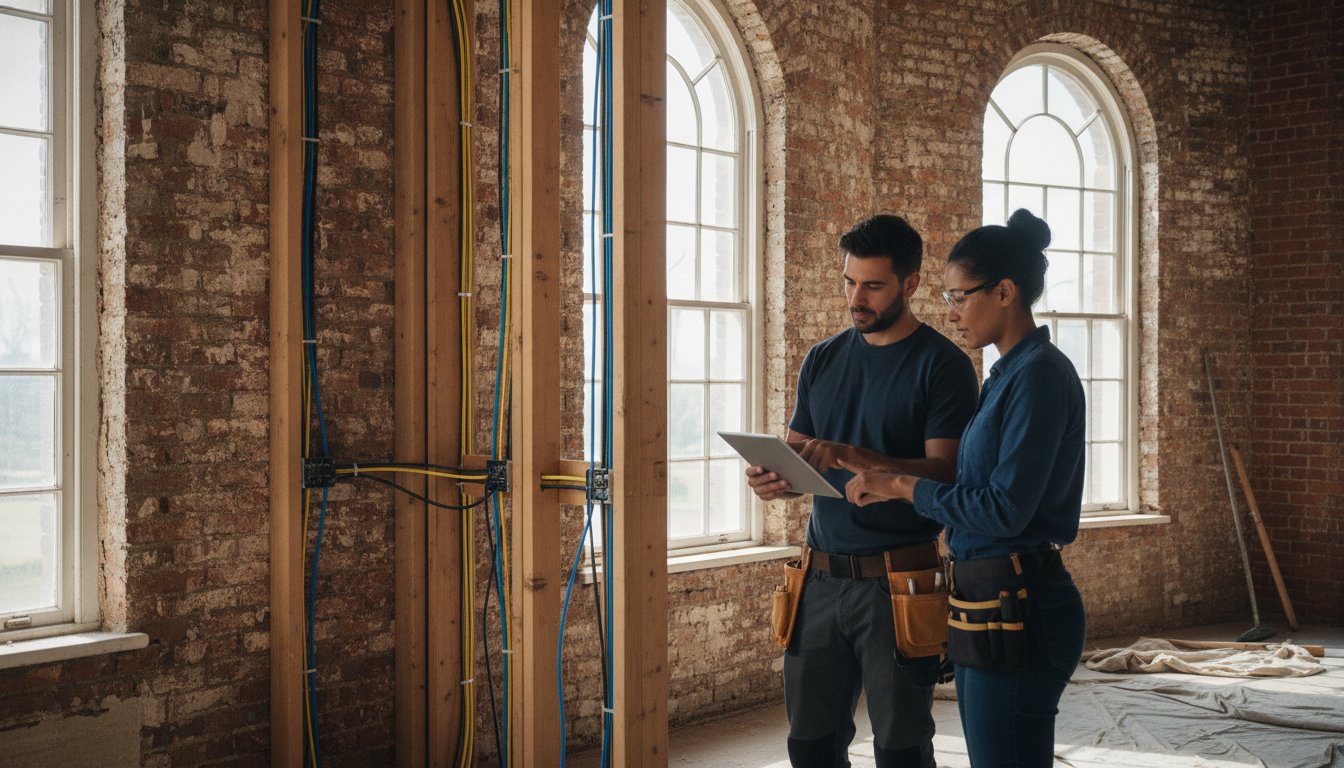
Mechanical systems present their own set of hurdles. Many older Ottawa homes still operate on 60-amp electrical service, which is insufficient for modern high-draw appliances and electric vehicle chargers. Upgrading to a 200-amp service is a standard requirement for most comprehensive renovations. Similarly, plumbing systems often feature original cast iron stacks and galvanized steel lines. These materials are prone to internal corrosion and scale buildup, which restricts water pressure and increases the risk of catastrophic leaks. Replacing these with PEX and PVC ensures longevity and modern performance. Renovating an old house in Ottawa challenges homeowners to think about these invisible upgrades before selecting paint colors or cabinetry.
Modernizing Outdated Mechanical Systems
Retrofitting central HVAC into a home originally built for radiator heat is a complex task. It involves creative ductwork routing to avoid sacrificing ceiling height. HMJ Contracting prioritizes electrical safety by installing GFCI outlets and ensuring proper grounding, which was rarely present in pre-1950 builds. When re-insulating, we use materials that prevent moisture traps, allowing the older building envelope to breathe while improving energy efficiency.
Structural Integrity and Floor Leveling
Ottawa's clay-heavy soil, specifically the sensitive Leda clay, often causes foundation settling. This results in the sloping floors common in Westboro properties. Correcting these issues involves sistering floor joists or installing new support beams. This reinforcement is vital if you plan to install heavy stone countertops, which require more support than original cabinetry. A structural engineer provides the necessary calculations to ensure your home remains level.

Navigating Ottawa’s Permitting and Heritage Zoning Requirements
Legal compliance is as critical as structural stability. Renovating an old house in Ottawa challenges your ability to navigate the 2026 regulatory landscape. The City of Ottawa has updated its fee schedule and enforcement protocols, making professional guidance indispensable. As of January 1, 2026, the permit fee for alterations and renovations is 12.75 dollars per 1,000 dollars of the assessed value of the work. Skipping this step isn't just risky for your home's safety; it carries heavy financial penalties. Individuals can face fines up to 50,000 dollars for a first offense under the Ontario Building Code Act.
If your home is in a historic area, you must differentiate between Part IV and Part V of the Ontario Heritage Act. Part IV designates an individual property of cultural value, while Part V covers properties within a Heritage Conservation District. If you're considering a project that involves removing a structure, be aware that the permit to demolish a building on a property subject to the Heritage Act is 3,510 dollars. This is significantly higher than the standard 117 dollar base fee for non-heritage demolitions. We manage these filings to ensure your project remains in good standing with municipal authorities.
The Heritage Permit Process
Exterior changes in heritage zones require approval from the Ottawa Heritage Committee. We work closely with these officials to ensure that modern upgrades, like high-efficiency windows, maintain the historic look and feel of the original facade. It's a delicate balance between 2026 energy standards and 1920s aesthetics. HMJ Contracting manages the intersection of heritage rules and modern safety, ensuring your renovation respects the past while functioning for the future.
BCIN and Professional Design Standards
For any addition or structural change, your designer or contractor needs a Building Code Identification Number (BCIN). This ensures that all plans submitted to the city are compliant with current provincial standards. Navigating the Committee of Adjustment for minor variances is also common on the narrow lots found in Old Ottawa South or Sandy Hill. For more details on choosing the right partner for this process, read our guide on Hiring a General Contractor in Ottawa, Ontario. Ready to start your project with a team that understands local zoning? Contact us for professional renovation planning.
Strategic Planning: How to Execute a Successful Old Home Remodel
Success in a historic project stems from a disciplined planning phase. Renovating an old house in Ottawa challenges even the most meticulous planners because of the variables hidden behind original plaster or under decades of flooring layers. We recommend a "surprise buffer" of 15% to 20% in your contingency fund. This isn't just a suggestion; it's a strategic necessity for properties built before 1980. This financial cushion allows you to address structural or mechanical issues without compromising your vision for the finished space.
Phasing is equally critical. We always advise prioritizing infrastructure over aesthetics. It's tempting to start with high-end kitchen finishes, but your investment is only secure if the building envelope is sound. This means addressing the roof, foundation, and hazardous material remediation before selecting cabinetry. Our approach focuses on transparency and safety, ensuring that every phase of the project meets our rigorous standards for craftsmanship. We build for longevity, not just for immediate visual impact.
Budgeting for the Unexpected
Realistic timelines are essential for century home projects. These builds require more time for specialized tasks like matching historic millwork or carefully removing lath and plaster. You should expect a longer schedule compared to a modern build. Focus your spending on the building envelope first to prevent future moisture issues or energy loss. You can use our Home Renovation Ottawa Guide to help plan your 2026 budget and understand the sequence of a well-managed project.
The Importance of a Full-Service Partner
Hiring one company to manage demolition, remediation, and renovation reduces logistical friction. When our team handles the transition from hazardous material removal to structural framing, we maintain total accountability. This "neighborly" approach to service means we treat your home with the respect it deserves, providing a steady guide through a complex process. Renovating an old house in Ottawa challenges the patience of any property owner, but professional oversight ensures progress is constant. Contact HMJ Contracting for a professional assessment of your old house renovation.
Transforming Your Historic Vision into a Modern Reality
Restoring a piece of Ottawa’s history requires more than just a design plan; it demands technical precision and deep local expertise. We've discussed how identifying neighborhood-specific structural traits and addressing hazardous materials like asbestos are critical first steps for any project. Navigating the 2026 City of Ottawa permit process and heritage zoning ensures your investment stays on track and remains fully compliant with provincial standards. While renovating an old house in Ottawa challenges the budget and timeline of many homeowners, a methodical, infrastructure-first approach effectively mitigates these risks.
HMJ Contracting brings over 25 years of local experience to every job site. As professionals certified in asbestos and mold remediation, we provide a comprehensive service that manages everything from the initial demolition to the final finishing touches. We focus on transparency and unwavering craftsmanship to give you peace of mind throughout the entire process. Start your Ottawa renovation project with a team of experts—Contact HMJ Contracting today. Your home is a significant long-term investment, and we're committed to ensuring it remains a stable, beautiful sanctuary for your family for decades to come.
Frequently Asked Questions
Is it worth renovating a 100-year-old house in Ottawa?
Yes, renovating a century home is often a sound investment if the property is in a desirable neighborhood like the Glebe or Rockcliffe Park. These homes possess architectural character and craftsmanship that are impossible to replicate in modern builds. While renovating an old house in Ottawa challenges your budget, the long-term resale value and the ability to create a bespoke living space usually outweigh the initial structural costs.
What are the most common red flags when inspecting an older home for renovation?
You should prioritize looking for foundation issues, such as horizontal cracks or significant settlement in Ottawa's clay-heavy soil. Other major red flags include signs of knob-and-tube wiring, galvanized plumbing lines, and moisture damage in the basement. These issues often indicate that the home's primary systems have reached the end of their lifespan and will require immediate, high-priority replacement before any aesthetic work begins.
How much does asbestos testing cost for an Ottawa home renovation?
The cost for professional asbestos testing depends on the number of samples required and the complexity of the materials being tested. It's a mandatory step for any home built before the mid-1980s to comply with provincial safety regulations. Identifying hazardous materials early prevents the much higher costs associated with emergency remediation if these substances are accidentally disturbed during the demolition phase of your project.
Do I need a special permit to renovate a house in a heritage district?
Yes, properties designated under the Ontario Heritage Act require a Heritage Permit for any changes that affect the building's protected features. This process is separate from a standard Building Permit and involves a review by the Ottawa Heritage Committee. We manage these requirements to ensure your modern upgrades, such as high-efficiency windows or structural additions, respect the historic integrity of the neighborhood while meeting 2026 safety standards.
Can I live in my old house while it is being renovated?
We generally recommend that homeowners relocate during a major whole-home renovation. The presence of construction dust, potential exposure to lead paint, and the lack of essential services like water or electricity during mechanical upgrades make the environment stressful and unsafe. A vacant house also allows our team to work more efficiently, which often results in a shorter project timeline and a more streamlined experience for everyone involved.
How long does a typical whole-home renovation take in an older Ottawa neighborhood?
A comprehensive renovation usually takes between six and twelve months to complete. Older homes often require extra time for structural stabilization and the replacement of outdated electrical and plumbing systems. Factors like the permit approval process and the sourcing of specialized materials for heritage restorations can also influence the schedule. We provide a methodical timeline during the planning phase to ensure progress remains constant and predictable.
What is the most expensive part of renovating an old house?
The most significant expenses are typically found in the "invisible" infrastructure, such as foundation repairs, structural reinforcements, and complete mechanical system overhauls. While high-end kitchen and bathroom finishes are significant investments, ensuring the building is safe, level, and dry is the most critical part of the budget. Renovating an old house in Ottawa challenges you to prioritize these essential structural elements to protect the long-term value of your property.
How do I know if my old house has knob-and-tube wiring?
You can identify knob-and-tube wiring by looking for white ceramic spools and tubes where wires pass through the floor joists in your basement or attic. This system was common in Ottawa homes built before 1950 and consists of two separate wires running parallel to each other. If you find these components, it's essential to have a professional assessment, as most modern insurance companies require this wiring to be replaced with grounded copper cables.