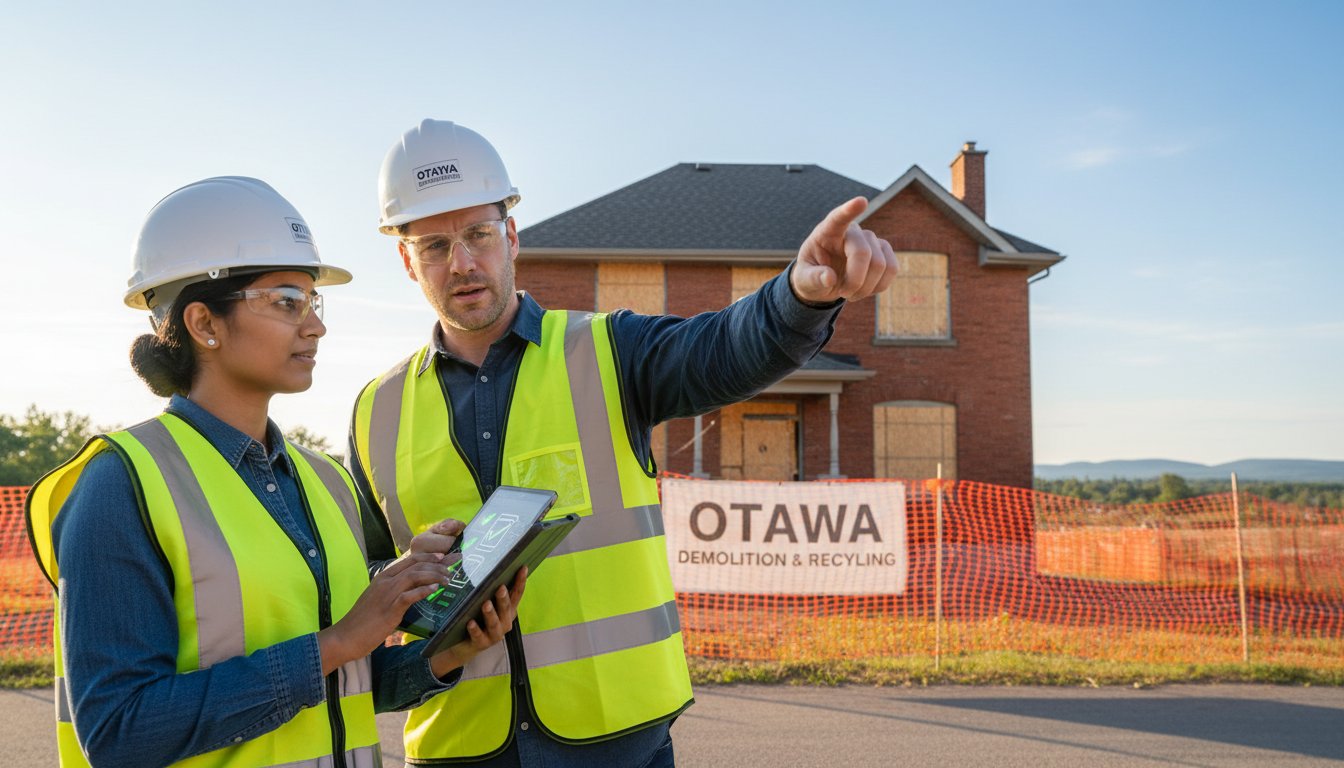
Did you know that over 50 percent of OSHA demolition citations are issued for a single mistake: skipping the pre-demolition engineering survey? For many Ottawa homeowners, the dream of a new space is often clouded by the anxiety of disturbing hidden asbestos or the fear of an accidental structural collapse. You likely feel that a successful project starts with safety, yet the complexity of Ontario demolition permits can be confusing. Adopting safe demolition practices for residential properties is the only way to ensure your site is truly ready for its transformation without facing the $2,000 to $10,000 unexpected costs often tied to hazardous material abatement.
We believe that your home deserves a foundation of integrity and meticulous care. This guide provides the essential safety protocols and regulatory requirements you need to ensure your 2026 project is safe, legal, and hazard-free. We will walk through a comprehensive checklist that covers everything from mandatory utility disconnections to the latest standards for lead paint removal and site stabilization, giving you the confidence to start your renovation on the right foot.
Key Takeaways
- Understand your legal obligations under the Ontario Occupational Health and Safety Act to identify hazardous materials like asbestos before any work begins.
- Learn the vital steps for securing structural integrity and managing utility disconnections to prevent accidental collapses or hazardous leaks.
- Discover how to implement professional dust containment strategies, including HEPA filtration, to protect your family’s health during interior projects.
- Master safe demolition practices for residential properties by following local regulations for sorting debris and transporting hazardous waste.
- Recognize why professional oversight is essential for maintaining 100% compliance with Ottawa’s strict safety and environmental standards.
Pre-Demolition Hazard Assessment: Identifying Asbestos and Lead
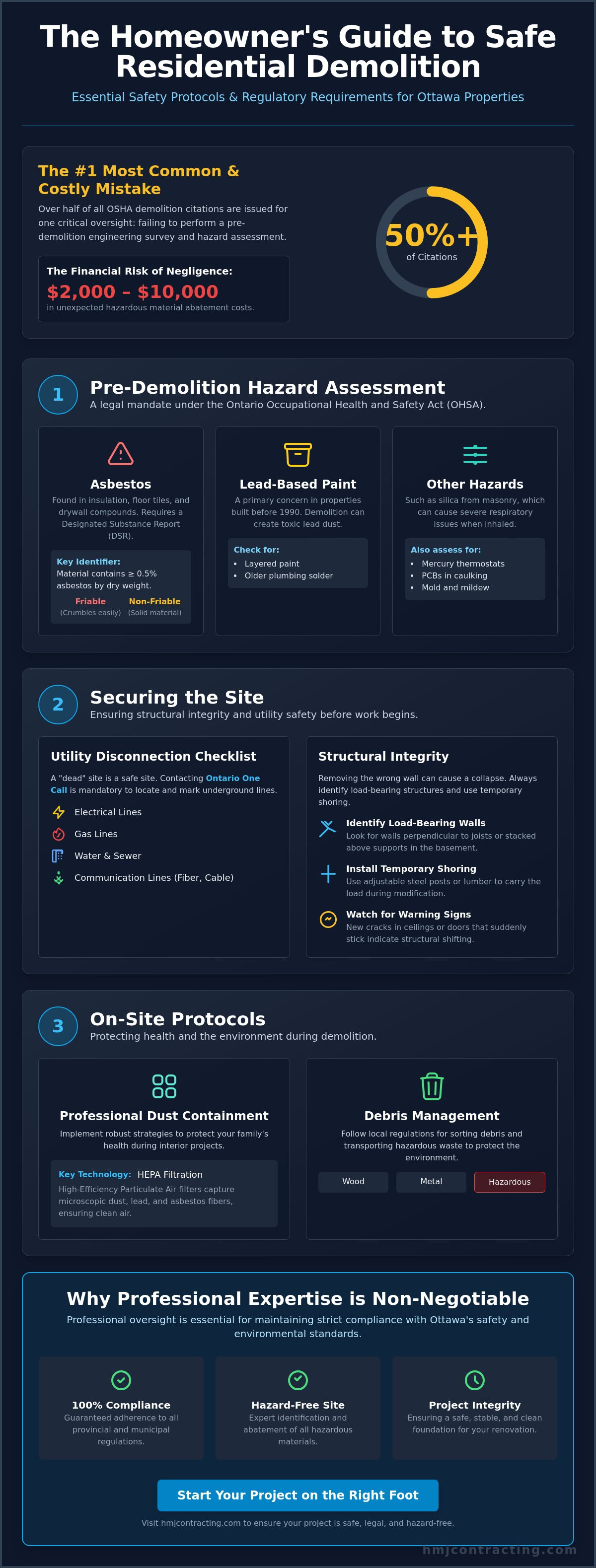
Before the first sledgehammer swings, the law requires a meticulous pause. A pre-demolition hazard assessment is a comprehensive inspection of a structure to identify toxic materials that could be released into the air during the Demolition process. In Ontario, this assessment isn't just a recommendation for cautious homeowners. It's a legal mandate that forms the backbone of safe demolition practices for residential properties. Skipping this step can lead to project shutdowns and unexpected abatement costs ranging from $2,000 to $10,000 if hazardous substances are discovered mid-project.
Under Section 30 of the Ontario Occupational Health and Safety Act (OHSA), the "Owner’s Responsibility" is clearly defined. As a homeowner or property manager, you must provide a list of all designated substances present at the site to any person or contractor bidding on the work. This report must be completed before the project is even tendered. In older Ottawa neighborhoods like the Glebe or Rockcliffe Park, homes often contain hidden dangers in insulation, vinyl floor tiles, and drywall joint compounds. Identifying these risks early protects your family and ensures your project remains 100 percent compliant with provincial safety standards.
The Ontario Asbestos Examination Requirement
In Ontario, a Designated Substance Report (DSR) is the primary document required before demolition begins. This report specifically looks for Asbestos Containing Material (ACM), which is defined as any material that contains 0.5 percent or more asbestos by dry weight. Our team distinguishes between friable materials, which can be easily crumbled by hand to release fibers, and non-friable materials like floor tiles. Identifying these correctly is vital, as friable asbestos carries significantly higher health risks and requires more stringent containment protocols during removal.
Lead Paint and Other Chemical Hazards
If your Ottawa property was built before 1990, lead-based paint is a primary concern. While often buried under layers of modern latex, disturbing these older layers during demolition can create toxic lead dust. We also assess plumbing systems for lead solder and check masonry for silica, which can cause severe respiratory issues when inhaled. For those managing older structures, professional Asbestos Removal in Ottawa and lead mitigation are the only ways to ensure the site is truly hazard-free. We handle these complexities with the quiet confidence of seasoned experts, ensuring your vision for a new space is built on a safe, meticulous foundation.
Securing the Site: Structural Integrity and Utility Safety
Residential demolition requires a surgical approach rather than a sledgehammer. While the previous section focused on identifying hazardous materials, this phase ensures the physical building remains stable and the surrounding neighborhood stays safe. Implementing safe demolition practices for residential properties means treating every wall as a potential structural support until proven otherwise. You must also account for the invisible dangers running through your walls and under your yard to protect both your property and the people on it.
Before any exterior work begins, contacting "Ontario One Call" is mandatory. This service ensures that gas, electrical, and fiber optic lines are marked. Even if you aren't digging deep, heavy machinery can crush shallow lines, leading to catastrophic results. Adhering to environmental regulations regarding utility management helps prevent soil contamination and ensures your project meets the highest safety standards. These steps are the foundation of a responsible deconstruction process.
Identifying Load-Bearing Structures
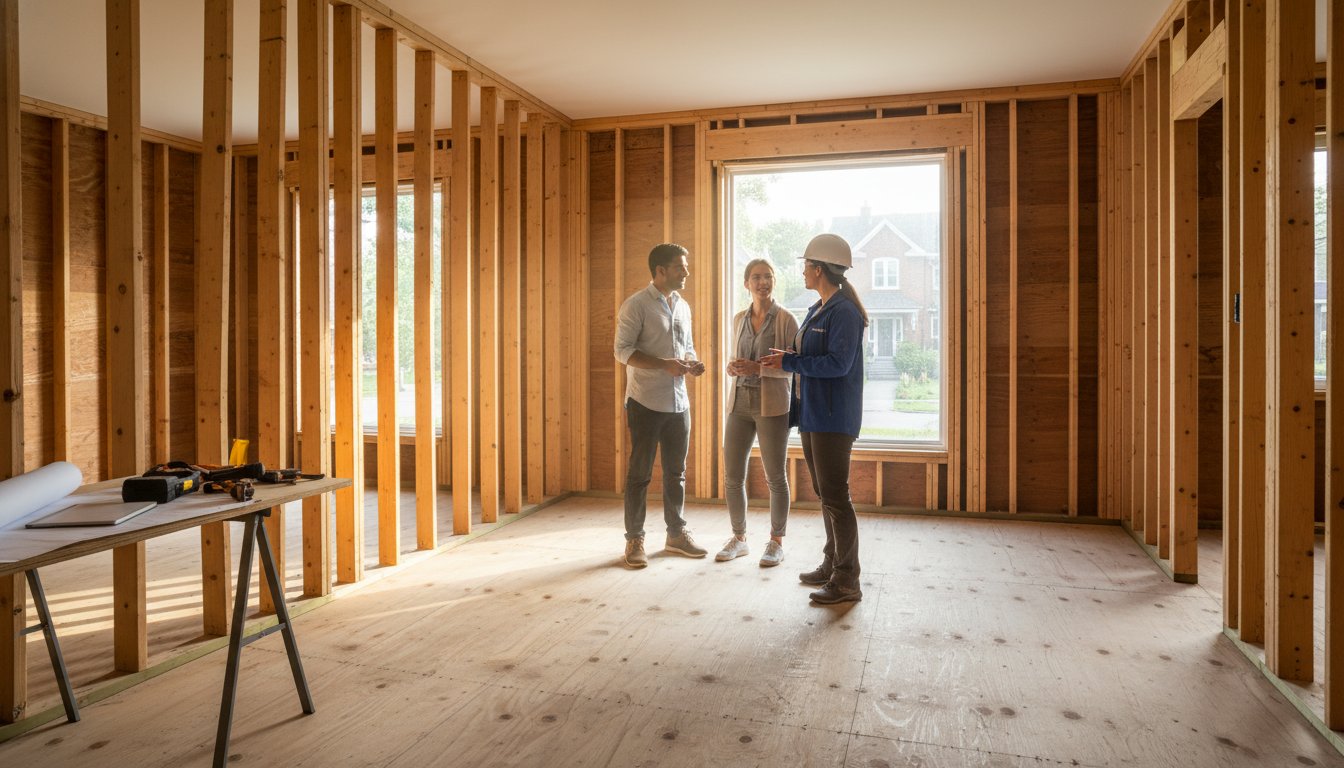
Removing the wrong wall can lead to immediate structural failure. To identify load-bearing supports, we look for walls that run perpendicular to the floor joists or are stacked directly above other walls in the basement. If you see a wall supporting a beam or carrying the weight of the roof, it stays until temporary shoring is in place. Temporary shoring involves installing adjustable steel posts or lumber to carry the load while the permanent structure is modified. Watch for warning signs like new cracks in the ceiling or doors that suddenly stick; these indicate the house is shifting and needs immediate stabilization.
Utility Disconnection Checklist
Safety starts with a "dead" site. We coordinate with Hydro Ottawa and Enbridge to ensure services are professionally capped at the street or meter. This prevents accidental electrocution or gas leaks during the deconstruction process. Consider this checklist for your Ottawa home:
- Electrical: Verify the main breaker is off and use a non-contact voltage tester on every outlet in the demo zone.
- Gas: Ensure the line is capped by a licensed technician and the meter is protected from falling debris.
- Water: Shut off the main valve and drain the system to prevent flooding. Cap sewer lines to block sewer gas from entering the living space.
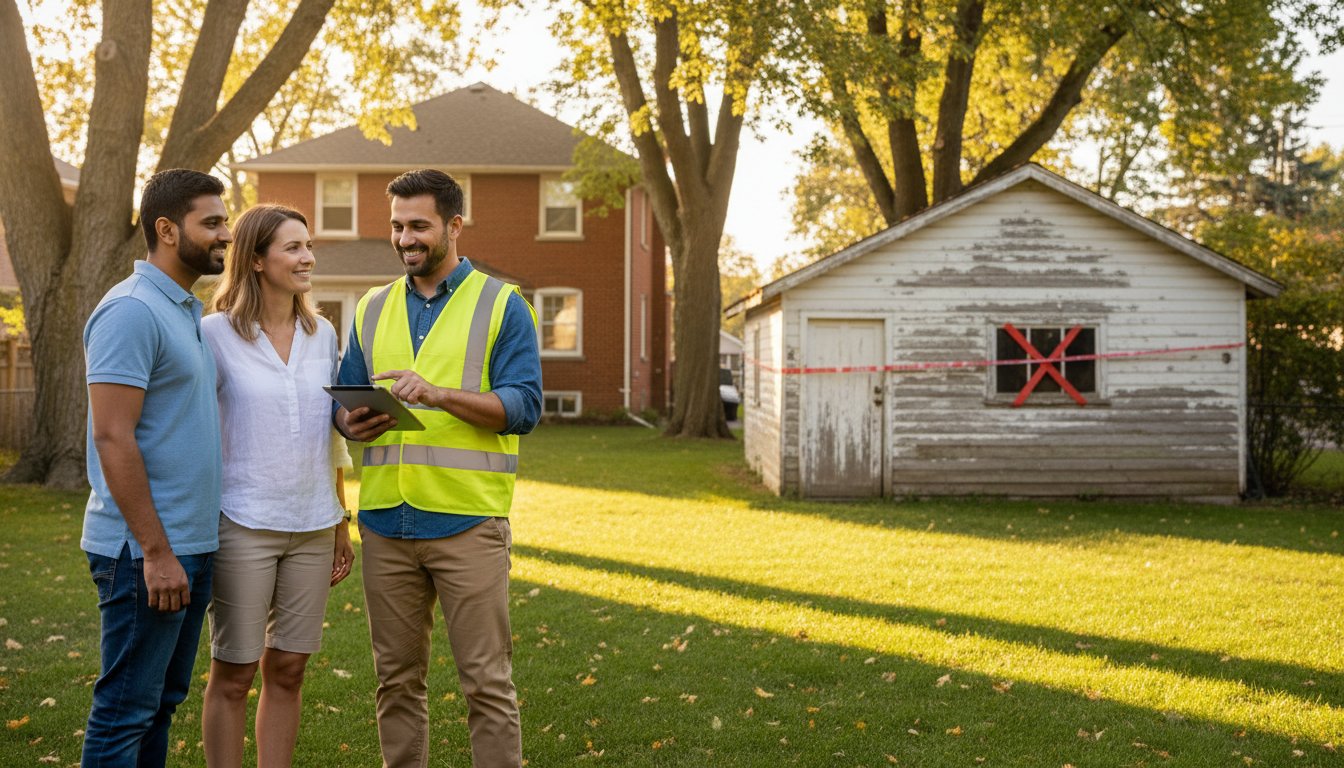
Following safe demolition practices for residential properties also means securing the site from outside entry. Once utilities are secured, the site must be physically cordoned off. Use temporary fencing and locked gates to prevent children, pets, or unauthorized neighbors from wandering into a zone filled with sharp debris and open floor joists. If the technical nature of structural removal feels overwhelming, it's wise to consult with professional demolition experts who can manage these risks on your behalf.
Essential Safety Gear and Dust Containment Protocols
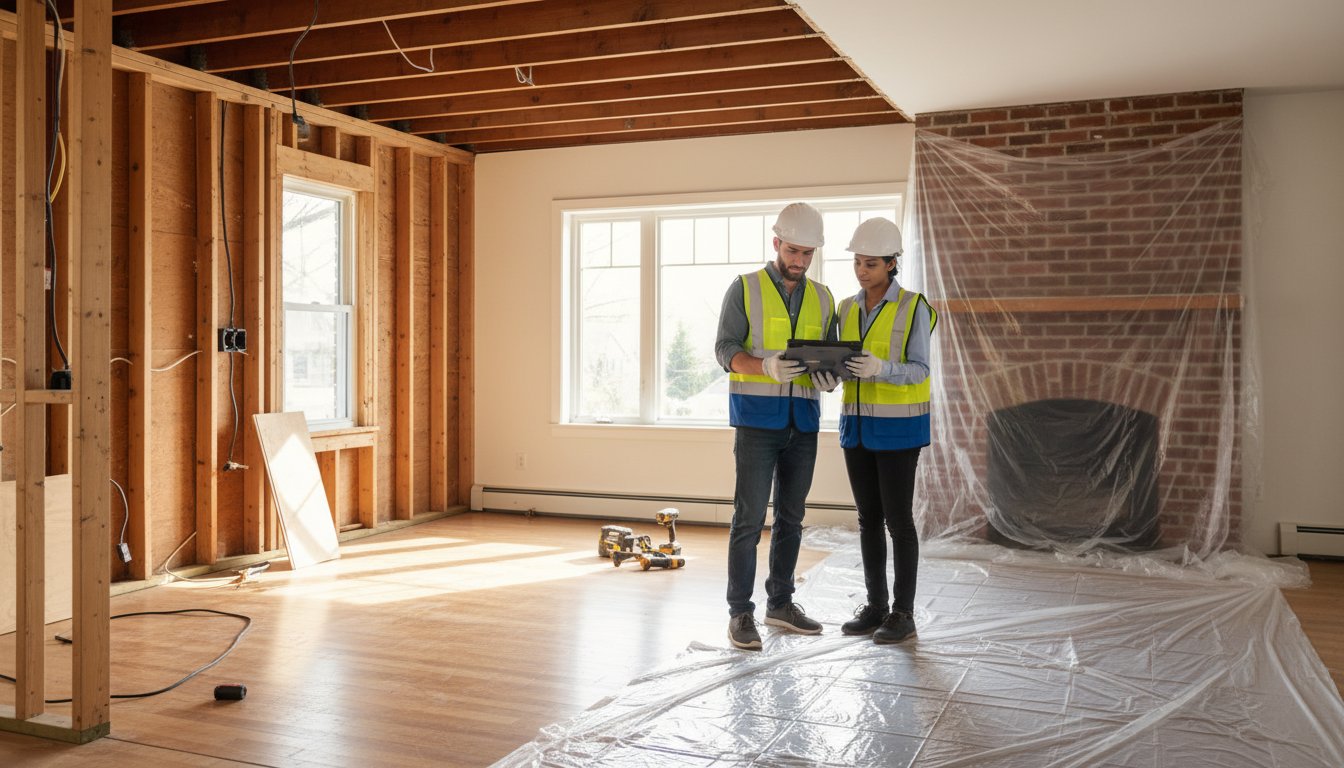
While structural stability protects the house, containment protocols protect your lungs. Safe demolition practices for residential properties require more than just clearing the floor; they require managing the invisible. Dust from drywall, plaster, and old insulation doesn't stay in the room where it's created. It migrates through hallways and settles in carpets, creating long-term health risks for everyone in the home. We treat every interior project as a high-stakes environment where air quality is just as important as the final finish. This meticulous attention to detail ensures your living space remains habitable throughout the renovation process.
Isolation is the key to a clean project. We use 6-mil polyethylene sheeting to create airtight barriers between the work zone and the rest of your living space. By sealing all HVAC vents with professional grade tape and plastic, we ensure dust doesn't enter your furnace and circulate through the house. For larger projects, we set up negative air machines equipped with HEPA filtration. This equipment pulls air from the work zone and exhausts it outside, ensuring that any escaped dust is immediately captured and removed from the building. We also utilize the "Wet Method" for dust suppression, misting surfaces with water before removal to prevent 80 percent of particulate matter from ever becoming airborne.
PPE Requirements for Homeowners and Pros
Don't rely on standard clothing or basic masks for a demolition site. Professional teams adhere to OSHA safety standards by wearing site-specific Personal Protective Equipment (PPE). For most Ottawa renovations, an N95 mask is insufficient. If we're dealing with lead paint or fine particulate matter, a P100 respirator is mandatory. These filters block 99.97 percent of airborne particles, providing a level of safety that a basic cloth mask cannot match. We also mandate puncture-resistant footwear and high-impact eye protection to prevent the most common site injuries.
Protecting Indoor Air Quality
Managing airflow is a science. We ensure that contaminants are exhausted outside safely, rather than being pushed into other rooms. This level of care is especially vital during Professional Mold Removal in Ottawa, where spores can easily spread if not properly contained. By maintaining negative pressure, we create a one-way path for air, keeping the "clean" areas of your home truly clean. It's this focus on craftsmanship and health that defines our approach to residential contracting. We don't just tear things down; we protect your investment and your family’s well-being from start to finish.
Debris Management and Environmental Responsibility
Responsible project management doesn't end when the walls come down. Effectively managing the waste stream is a critical pillar of safe demolition practices for residential properties. In a typical Ottawa home demolition, up to 75 percent of the debris can often be diverted from landfills through careful sorting and recycling. We prioritize a methodical approach to debris management; ensuring that your project respects both local environmental standards and the cleanliness of your neighborhood. This organized mindset reflects our commitment to craftsmanship and integrity in every phase of the work.
Site cleanliness is paramount to maintaining a positive relationship with your neighbors. We implement strict protocols to prevent "track-out," which occurs when dust and debris are carried from the work zone onto public sidewalks and streets by tires or boots. By using designated staging areas and sweeping the perimeter daily, we ensure your renovation remains a source of excitement for the community rather than a nuisance. We treat your property with the same respect we'd show our own homes, keeping the transition from old to new as seamless as possible.
Hazardous Waste Disposal in Ottawa
Handling hazardous materials like asbestos or lead-contaminated wood requires specialized logistics. In Ontario, Regulation 347 dictates strict rules for the transport and disposal of these substances. All hazardous waste must be double-bagged in 6-mil polyethylene bags, clearly labeled, and transported by a carrier with a valid Provisional Certificate of Approval from the Ministry of the Environment. We maintain meticulous waste manifests for every project, providing you with the documentation needed to prove that all toxins were disposed of at a licensed facility in the National Capital Region. Understanding these logistical requirements is a key part of Understanding Asbestos Demolition Cost in Ottawa, as specialized disposal fees are a necessary investment in safety.
Sustainable Demolition Practices
We advocate for deconstruction over traditional demolition whenever possible. This process involves carefully dismantling parts of the home to salvage high-value materials like old-growth hardwood flooring, copper piping, and vintage fixtures. Not only does this reduce the volume of waste sent to the Trail Road Waste Facility, but it also preserves the history and materials of Ottawa’s older homes. For the remaining non-salvageable items, our professional junk removal services ensure that your site is cleared efficiently and left ready for the next phase of construction. If you're ready to clear the way for your next vision with a team that values local accountability, we're here to guide the process.
Why Professional Expertise is Non-Negotiable for Safe Demolition
The "DIY sledgehammer" approach makes for entertaining television, but it's a dangerous gamble for Ottawa homeowners. Attempting a teardown without professional oversight often leads to more than just a few holes in the wrong wall. It risks your physical safety, your long-term health, and your home’s structural future. True safe demolition practices for residential properties involve a level of precision that only comes from decades of on-site experience. We bring 25+ years of local expertise to every project, allowing us to identify hidden structural hurdles before they become expensive failures.
Hiring a professional means you aren't just paying for labor; you're investing in a meticulously managed process. We handle the end-to-end journey from securing the necessary Ontario permits to the final site sweep. This proactive approach removes the burden of complex logistics from your shoulders, allowing you to focus on the vision for your new, transformative space. We ensure that every phase of the project is grounded in stability and reliability, providing the quiet confidence that your property is in the most capable hands in the National Capital Region.
The HMJ Contracting Safety Standard
Our commitment to craftsmanship means we never cut corners on site containment or hazardous material remediation. We employ certified installers who act as the proactive force behind your project’s success, ensuring that every safety protocol is followed to the letter. This is our promise of quality without compromise. By maintaining a meticulous work environment, we protect your investment and build a foundation of trust that lasts for generations. We don't just clear a space; we prepare it for its next bespoke chapter with technical authority.
Your Next Steps for a Stress-Free Renovation
The path to a seamless home renovation starts with a professional handshake. Booking an initial consultation allows us to assess your specific needs and provide a clear, methodical plan for your project. You gain immediate peace of mind knowing that you're working with a licensed and insured general contractor who values local accountability and community reputation above all else. We handle the stress so you can enjoy the progress. Ready to bring your vision to life? Contact HMJ Contracting for a safe demolition quote today and ensure your project is handled with the composure and expertise it deserves.
Laying a Secure Foundation for Your Vision
Your home transformation deserves a start that is as meticulous as the final result. By prioritizing a formal Designated Substance Report and securing structural stability, you eliminate the legal and health risks that often derail ambitious projects. Mastering safe demolition practices for residential properties means moving beyond the sledgehammer to embrace a process rooted in engineering and environmental responsibility. It's about protecting your investment while clearing the way for something truly transformative.
HMJ Contracting brings over 25 years of local Ottawa experience to your doorstep. As certified hazardous material remediation specialists, we provide full-service management that handles everything from the initial Ontario permits to the final debris removal. This end-to-end service ensures your site is hazard-free and ready for its next bespoke phase without the stress of managing multiple subcontractors. We pride ourselves on being the steady guide through the complexities of residential deconstruction.
Request a Professional Demolition Assessment from HMJ Contracting to ensure your project begins with the technical authority it requires. We're ready to help you bring your vision to life with the craftsmanship and integrity your home deserves. Let's build your future on a safe, clean, and reliable site.
Frequently Asked Questions
Do I need a permit for interior demolition in Ottawa?
You need a permit from the City of Ottawa for any demolition that involves structural changes, fire separations, or changes to exits. While small cosmetic teardowns like removing non-load-bearing drywall might be exempt, most transformative renovations require official approval to ensure the building remains stable. We handle the permit application process to ensure your project stays 100 percent compliant with local building codes from day one.
How do I know if my house has asbestos before I start demolition?
The only definitive way to identify asbestos is through a professional Designated Substance Report (DSR). In Ontario, this assessment is a legal requirement before any work begins on older structures. We sample materials like vermiculite insulation and floor tiles to verify their safety. Identifying these risks early prevents the $2,000 to $10,000 cost spikes associated with unexpected hazardous material discovery mid-renovation.
Can I stay in my home during a residential demolition project?
Staying in your home is possible for small projects, but we generally advise against it for major interior teardowns. The noise, dust, and utility interruptions can be disruptive to your daily life. If you choose to stay, we implement strict safe demolition practices for residential properties, including negative air pressure and physical barriers to isolate the work zone from your living quarters.
What happens if a contractor finds mold during the demolition process?
If we discover mold, we immediately stop work and implement containment protocols. Mold spores can spread through your HVAC system if not handled with meticulous care. Our team provides professional mold remediation as part of our general contracting services, ensuring that the moisture source is identified and the area is fully sanitized before construction resumes.
How long does a typical residential interior demolition take?
A typical residential interior demolition for a 2,000 square foot space usually takes between 3 and 7 business days. This timeline accounts for the careful removal of materials, sorting for recycling, and site cleanup. Complex projects involving structural shoring or hazardous material abatement may require additional time to ensure every safety standard is met without compromise.
Is it cheaper to do the demolition myself?
DIY demolition often appears cheaper but frequently results in structural damage or health liabilities that increase the total project cost. Professional teams identify load-bearing walls and live utility lines that an untrained eye might miss. By hiring experts, you avoid the risk of accidental floods or collapses, ensuring your renovation starts on a stable and legally compliant foundation.
What are the most common hazards in Ottawa homes built before 1980?
Homes built before 1980 in Ottawa often contain lead-based paint, asbestos, and outdated electrical systems. Lead paint was used in roughly 70 percent of pre-1960 homes, posing a significant risk if disturbed without proper PPE. We also check for galvanized plumbing and old insulation that may have settled over decades, providing a clear path for a modern and safe renovation.
How does HMJ Contracting handle hazardous waste disposal?
We manage hazardous waste disposal by strictly adhering to Ontario Regulation 347. This involves double-bagging asbestos in 6-mil polyethylene bags and transporting it via licensed carriers to approved facilities in the National Capital Region. We provide you with all necessary waste manifests, proving that your project followed safe demolition practices for residential properties and respected local environmental laws.