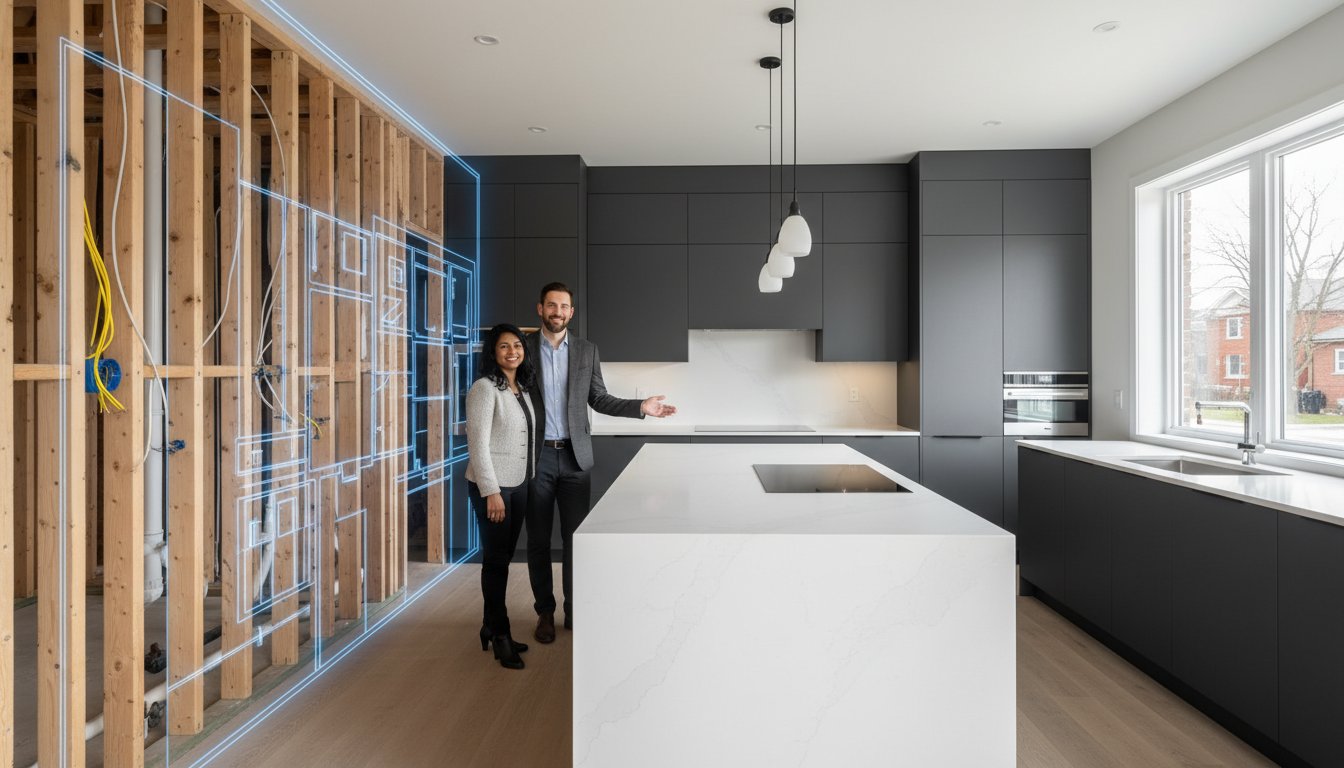
What if your dream kitchen remodel actually begins with a C$12,000 hazardous material abatement you didn't see coming? Most Ottawa homeowners understand that planning a home renovation in 2026 is a significant emotional and financial commitment. You expect a process that respects your vision, yet the fear of hidden mold or unexpected structural issues in older Glebe or Westboro homes often creates unnecessary hesitation.
We're here to replace that uncertainty with professional clarity and quiet confidence. You'll learn how to manage the current 16-week City of Ottawa permit backlog and budget accurately for 2026 labor rates while ensuring your family's safety from asbestos in pre-1990 builds. This guide details our proven end-to-end framework, moving from meticulous planning and bespoke design to a seamless final walkthrough. We'll provide the technical authority needed to ensure your investment results in a functional, high-value space that stands the test of time.
Key Takeaways
- Navigate the 2026 Ottawa real estate landscape by identifying the critical differences between cosmetic remodelling and high-value structural transformations.
- Implement a structured 5-phase roadmap designed to streamline your home renovation while maintaining total control over design and feasibility.
- Prioritize site safety by learning how to detect and professionally remediate hazardous materials like asbestos and lead paint before construction begins.
- Secure your investment with realistic 2026 C$ cost projections and a 15-20% contingency strategy to handle unexpected structural hurdles with confidence.
- Leverage 25 years of local expertise to ensure a seamless transition from safe, technical demolition to a bespoke and meticulous finish.
Planning Your Home Renovation in Ottawa: The 2026 Landscape
Ottawa’s residential construction sector has moved past the supply chain volatility of the early 2020s. By 2026, the market has settled into a period of steady, calculated growth. Homeowners are no longer rushing into projects out of panic. Instead, they’re approaching the process of improving a structure with a focus on longevity and architectural integrity. A successful home renovation in this environment requires a clear distinction between cosmetic updates and structural transformations. While a remodel might refresh your kitchen’s aesthetic with new quartz countertops and hardware, a true renovation involves deeper changes like reconfiguring floor plans or upgrading aging electrical systems to meet 2026 Ontario Building Code standards.
The 2026 landscape is defined by a shift toward "forever homes." With interest rates having stabilized since the fluctuations of 2024, Ottawa residents are investing in their current properties rather than betting on a move. This shift makes the planning phase more critical than ever. You aren't just picking paint colours; you're engineering a space that must perform under the pressure of Canada’s capital climate. We experience temperature swings of over 60 degrees Celsius between the humid July peaks and the deep freezes of January. Your choice of materials, from triple-pane glazing to moisture-resistant subflooring, must account for this thermal stress to prevent premature wear and costly repairs.
Renovating in the National Capital Region
Location dictates the logistical complexity of your project. In historic neighbourhoods like the Glebe or Rockcliffe Park, we often manage the delicate balance of modernizing 100-year-old structures while respecting heritage overlays. These projects frequently require specialized solutions for lath-and-plaster walls or outdated masonry. Conversely, in suburban hubs like Kanata and Orleans, the focus has shifted to modernizing "builder-grade" homes from the early 2000s. These properties often benefit from removing non-load-bearing walls to create the expansive, light-filled kitchens that 84% of Ottawa buyers now prioritize.
Timing your project is equally vital. While many believe construction stops when the snow falls, Ottawa winters are actually the ideal time for interior transformations. Executing a basement home renovation or a primary suite upgrade between November and March keeps your project on track for a spring completion. This schedule avoids the summer rush when exterior trades are at their peak capacity, often resulting in more focused attention from specialized interior craftsmen.
Establishing Your "Why" and ROI
High-yield investments in 2026 focus on functional density and energy independence. Adding a legal secondary dwelling unit or a bespoke basement suite can increase a property’s market value by as much as C$120,000 in high-demand areas like Westboro or Hintonburg. These suites offer more than just resale value; they provide multi-generational living options or rental income potential. We also see a 15% higher retention of value in homes that integrate high-efficiency HVAC systems and R-60 attic insulation, as energy costs remain a top concern for 78% of local homeowners.
Your vision must balance these financial metrics with your daily lifestyle needs. A kitchen island that facilitates family connection is just as valuable as the high-end appliances that drive up the appraisal. A home renovation is a strategic investment in both your daily comfort and your long-term financial capital. By prioritizing structural health and energy performance alongside aesthetic upgrades, you ensure your Ottawa home remains a resilient asset for decades to come.
The 5-Phase Roadmap to a Seamless Remodel
Every successful home renovation starts with a proven framework. We break the process into five distinct stages to ensure your project remains on track and within the C$ limits you've set for your investment. This structured approach eliminates the guesswork and provides a clear path from your initial concept to the final reveal.
Phase 1: Discovery and Feasibility. We begin by inspecting the structural "bones" of your property. In established Ottawa neighbourhoods like the Glebe or Rockcliffe Park, roughly 15% of homes require structural remediation before any aesthetic work begins. This is also the time we assess for environmental concerns. It is vital to understand the health risks of asbestos before any walls are moved; especially in homes built before 1990. We identify load-bearing structures and mechanical limitations early to avoid C$10,000 surprises during the build.
Phase 2: Design and Budgeting. We align your vision with 2026 market pricing. Current projections indicate a 4% annual increase in material costs across Ontario; so we provide fixed-price quotes based on these future-dated estimates. This phase transforms your ideas into a concrete financial plan that accounts for every tile, fixture, and permit fee.
Phase 3: Permitting and Pre-Construction. We handle the applications for the City of Ottawa Building Code Services. Whether it's a structural change or a simple addition, securing a permit in Ottawa typically takes 20 to 40 business days. We don't swing a hammer until every legal requirement is met and your project is fully compliant with local regulations.
Phase 4: Construction and Management. This is the active "dusty phase" of the project. We manage the 12 to 15 different trades required for a standard home renovation, coordinating everything from master plumbers to finishing carpenters. We focus on maintaining a clean site and adhering to the strict timelines established during the design phase.
Phase 5: Finishing and Final Walkthrough. We conclude with a detailed 25-point quality inspection. We ensure every mitre joint is tight and every fixture is level before we hand back the keys. This ensures your home meets our standards for craftsmanship and longevity.
The Importance of a Detailed Design Phase
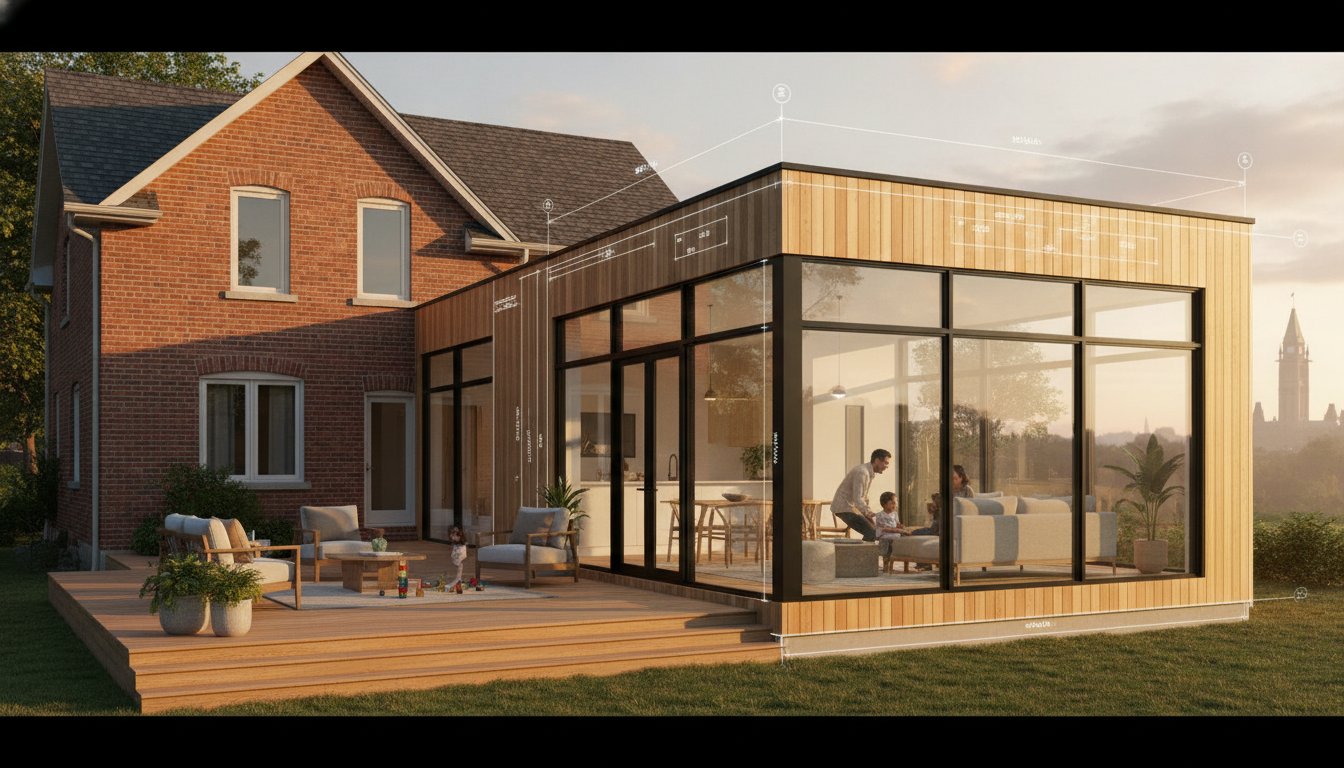
Bespoke design is the best insurance policy against budget creep. Change orders during construction can increase costs by 20% or more; but a detailed plan prevents these deviations. We use 3D renderings to help you visualize the space before materials are even ordered. Selecting finishes early allows us to balance meticulous craftsmanship with durability. We guide you toward materials that can withstand the Ottawa climate, from high-humidity summers to dry, cold winters.
Managing the Construction Timeline
Demolition is naturally loud and dusty. We use industrial HEPA filtration and heavy-duty floor protection to keep your home habitable if you're staying on-site during the build. Project management is the engine that keeps multi-trade projects on schedule. We coordinate deliveries and trade transitions to prevent downtime. HMJ uses a dedicated communication protocol to ensure you're never in the dark. You'll receive regular updates on progress and schedule milestones through our client portal. This transparency ensures you feel confident in the progress of your investment. If you're ready to see how we handle complex projects, view our portfolio of Ottawa projects to explore our work.
Navigating Ottawa Building Permits and Hazardous Material Safety
Safety is the silent foundation of a successful home renovation. Before you swing a hammer or strip a wall, you must account for the invisible risks that reside within older Ottawa properties. Our city’s architectural history is rich, but homes built between 1950 and 1990 often hide materials that require professional handling. Budgeting for these contingencies early prevents project shutdowns and ensures your family’s long-term health. We take a proactive stance on site safety, identifying potential hazards during the initial site walk-through rather than discovering them mid-demolition.
The City of Ottawa operates under strict provincial guidelines to ensure every structural change meets the 2012 Ontario Building Code. This involves more than just paperwork; it requires a deep understanding of the Building Code Identification Number (BCIN). Any designer or firm providing construction drawings must hold a BCIN to guarantee the plans are technically sound. We manage this technical bridge, ensuring your vision aligns with legal safety standards from day one.
Asbestos and Mold: The Hidden Renovation Blockers
Mid-century bungalows in neighbourhoods like Bel-Air Park or Carlington frequently contain asbestos in 9x9 floor tiles, duct wrap, or popcorn ceilings. This material poses zero risk when left undisturbed, but it becomes a legal and health liability the moment it’s broken. If your home predates 1990, we recommend a designated substance survey. Professional remediation costs typically range from C$3,000 to C$15,000 depending on the scope. We integrate these specialists into our workflow to keep your timeline intact while maintaining a pristine job site.
Legal Requirements and Zoning in the NCR
You need a building permit for any project that changes the structural footprint or involves complex plumbing and mechanical systems. This includes finishing a basement, adding a deck higher than 0.6 metres, or removing load-bearing walls for an open-concept layout. The City of Ottawa typically processes residential permits within 10 to 15 business days, provided the application is complete. Skipping this step is a high-stakes gamble that leads to significant financial consequences.
- Insurance Invalidity: Most providers won't cover claims related to unpermitted work.
- City Fines: Work-order fines can exceed C$2,500 and require you to tear down completed work for inspection.
- Resale Hurdles: Savvy buyers and home inspectors will flag unpermitted additions, often stalling a sale or forcing a price reduction.
Our team handles the bureaucracy of the National Capital Region on your behalf. We coordinate with city officials and zoning experts to ensure your home renovation respects set-back requirements and height restrictions. This meticulous approach to the "unseen" parts of construction is what defines a stress-free experience. We don't just build beautiful spaces; we build them with the integrity and legal standing that protects your investment for decades. By addressing permits and hazardous materials during the planning phase, we eliminate the surprises that often derail less organized projects.

Budgeting for Your Vision: 2026 Costs and Contractor Selection
Building a home renovation budget in 2026 requires an understanding of the current Ottawa economic climate. Costs for skilled labour and premium materials have stabilized, yet they remain higher than historical averages. For a professional-grade remodel in neighbourhoods like Westboro or the Glebe, you should expect to invest between C$250 and C$450 per square foot. This range accounts for high-efficiency mechanical systems and bespoke finishes that define modern Ottawa homes.
A 15-20% contingency fund is now the industry standard for any serious project. Older Ottawa properties often hide structural secrets behind lath and plaster that only reveal themselves once demolition begins. Setting aside these funds ensures that a discovery like outdated knob-and-tube wiring or a cracked foundation doesn't halt your progress. It provides the financial breathing room needed to maintain your original vision without compromise.
Financial transparency is the cornerstone of a successful partnership. Many contractors provide vague estimates that fluctuate as the project evolves, leading to "sticker shock" during the final walkthrough. HMJ Contracting operates on a fixed-price contract model. This approach eliminates ambiguity by locking in costs after the design phase is finalized. You deserve to know exactly where every dollar is allocated before the first hammer swings.
Identifying red flags in the local market protects your investment. Avoid contractors who insist on cash-only transactions or those who cannot provide a valid WSIB clearance certificate. A lack of a local physical office often signals a "truck-and-ladder" operation that may not be around to honour a warranty in five years. Reliable experts prioritize accountability and maintain deep roots in the community.
When researching your options, browsing the websites of established local firms, such as jbmcustomcontracting.com, can give you a clear sense of their specialization and professional approach.
Breaking Down the Costs
Your investment is typically split between 45% for high-quality materials and 55% for skilled labour and project management. Cutting costs on labour often leads to structural errors that are expensive to fix later. In 2026, a mid-range kitchen renovation in Ottawa typically requires an investment between C$45,000 and C$75,000 depending on fixture selections and structural changes. Quality craftsmanship ensures these spaces remain functional and beautiful for decades, not just seasons.
7 Questions to Ask Your Potential Contractor
Selecting a partner for your home renovation is a significant decision. Use these questions to vet their professionalism and stability:
- Can you provide proof of C$5 million in liability insurance and current WSIB coverage?
- Do you have a list of five local references from projects completed in the last 24 months?
- What is the specific duration and coverage of your craftsmanship warranty?
- Where is your physical office located in the Ottawa area?
- How do you handle unforeseen structural issues discovered during demolition?
- Will there be a dedicated project manager on-site daily?
- What is your process for protecting non-renovated areas of my home from dust and debris?
A reputable contractor will answer these questions with clarity and provide the documentation to back it up. This level of detail reflects a commitment to integrity and meticulous project management. It's the difference between a stressful construction site and a seamless transformation of your living space.
Bringing Your Vision to Life with HMJ Contracting
HMJ Contracting brings over 25 years of specialized experience to the Ottawa construction and remediation industry. We've spent decades refining a process that prioritizes safety, quality, and clear communication. Choosing a partner for your home renovation involves more than comparing quotes; it requires finding a team that values your property's long-term health. Our team bridges the gap between technical remediation and bespoke craftsmanship, ensuring your home is both beautiful and structurally sound from the inside out. We manage every phase of the project, meaning you won't have to coordinate between different subcontractors or worry about conflicting schedules. This end-to-end approach allows us to maintain a high standard of quality control from the first day of demolition to the final, meticulous coat of paint.
Local pride fuels our craftsmanship and defines our approach to every job site. We serve neighborhoods from the historic streets of Westboro to the growing communities in Orleans, Kanata, and Nepean. This deep connection to the city drives our accountability. Our reputation is built on the word-of-mouth recommendations of your neighbors, not just flashy marketing. Honesty and hard work define the HMJ Promise, which is a guarantee of a professional, stress-free delivery that respects your time and your investment. We don't just build rooms; we build lasting relationships with Ottawa families who trust us to protect their most valuable asset.
A Full-Service Partner for Your Home
Integrating certified hazardous material removal with our renovation expertise sets us apart as a comprehensive partner. Many Ottawa homes built before 1990 contain asbestos or lead. We handle these risks internally, which often saves homeowners 15% to 20% compared to hiring separate remediation firms. Financial certainty is the cornerstone of our service. We use fixed-price contracts to prevent the budget creep that affects nearly 40% of residential projects according to industry data. Our full-service model includes:
- Certified Remediation: Safe removal of asbestos, mold, and lead.
- Transparent Budgeting: Fixed-price contracts with no hidden fees.
- Expert Craftsmanship: Meticulous attention to detail in every finish.
- Local Accountability: Dedicated project management for Nepean, Kanata, and Orleans.
For example, a recent project in Kanata involved converting a dated basement into a high-end legal suite. By managing the mold remediation and the structural finishing under one contract, we kept the project on its C$85,000 budget and completed it two weeks ahead of schedule. Whether it's a modern kitchen in Nepean or a full-home transformation in Orleans, our meticulous finishing ensures a result that lasts for generations.
Start Your Stress-Free Renovation Journey
Your journey begins with an in-depth consultation where we translate your ideas into a feasible construction plan. We focus on your vision while providing the technical authority needed to navigate Ottawa’s building codes. We handle the logistical heavy lifting, from securing City of Ottawa permits to managing the safe disposal of debris. Our team treats your home with the same respect we'd show our own, maintaining a clean and organized job site that minimizes disruption to your daily life.
We've spent two decades proving that a home renovation can be a rewarding, stable experience when managed by experts who care about the details. We provide the steady guidance you need to turn a complex construction project into a seamless transition for your family. Book your professional renovation consultation with HMJ Contracting and take the first step toward your new home today.
Start Your Ottawa Transformation Today
Success for your 2026 home renovation depends on a clear roadmap and a commitment to quality. You've now seen how meticulous planning, a firm grasp of the C$100 to C$300 per square foot cost landscape, and strict adherence to City of Ottawa permit requirements create a foundation for a seamless project. Balancing your vision with the practical realities of hazardous material safety and structural integrity ensures your investment stands the test of time.
HMJ Contracting brings over 25 years of local experience to every project site. We provide comprehensive project management that carries your vision from the initial design phase to the final walkthrough. Our team includes certified asbestos and mold remediation experts, ensuring your family's safety is never compromised during the build. We pride ourselves on delivering quality without compromise, acting as your steady guide through every architectural and structural hurdle. You deserve a partner who values craftsmanship as much as you do.
Ready to transform your Ottawa home? Contact HMJ Contracting for a professional estimate today.
It's time to turn your 2026 plans into a beautiful, functional reality. We look forward to building your future together.
Frequently Asked Questions
Do I need a building permit for an interior home renovation in Ottawa?
You need a building permit for any project that alters the structural, plumbing, or mechanical systems of your home. While many cosmetic updates don't require a permit, it's worth it to explore Interior Painting to see how a professional finish can transform a space on its own. Major changes, like moving walls or adding a bathroom, do require City of Ottawa approval. We handle the permit application process to ensure your home renovation meets the Ontario Building Code standards.
How long does a typical whole-home renovation take in the NCR?
A typical whole-home renovation in the National Capital Region takes between 4 and 8 months to complete. This timeline includes 6 to 8 weeks for the design and permitting phase followed by 16 to 24 weeks of active construction. Larger heritage homes in Westboro or Rockcliffe often require additional time for meticulous structural reinforcements and specialized craftsmanship.
What should I do if my contractor finds asbestos during demolition?
Stop work immediately and contact a certified hazardous materials specialist for testing. If the material tests positive, you must hire a licensed abatement team to remove it following Ontario Regulation 278/05. This process typically adds C$2,500 to C$5,000 to your budget depending on the volume of material found in your drywall or floor tiles.
Can I stay in my home during a major renovation project?
You can technically stay in your home during minor updates, but we recommend vacating for whole-home projects. Major construction creates significant dust and cuts off essential services like water or electricity for 8 to 12 hours at a time. Staying elsewhere ensures the safety of your family and allows our crew to maintain a more efficient production schedule.
How much does a home renovation cost per square foot in Ottawa in 2026?
Expect to pay between C$250 and C$450 per square foot for a high-quality home renovation in Ottawa by 2026. This projection accounts for a 4% annual inflation rate in material costs and specialized labor. A standard 2,000 square foot bungalow renovation will likely range from C$500,000 to C$900,000 depending on the level of bespoke finishes you choose.
How do I check if an Ottawa contractor is properly insured and licensed?
Ask the contractor for their City of Ottawa business license number and a current WSIB clearance certificate. You should also request a copy of their C$5,000,000 commercial general liability insurance policy. Verifying these documents protects you from financial liability if an accident occurs on your property during the construction phase.
What is the difference between a renovation and a remodel in terms of cost?
A renovation focuses on restoring or repairing existing structures and typically costs 30% less than a full remodel. Remodeling involves changing the entire purpose or layout of a room, such as converting a garage into a living space. These structural changes require more engineering and labor, which increases the total investment required for the project.
Why is mold remediation often necessary during a basement renovation?
Mold remediation is necessary in 65% of Ottawa basement projects due to historical moisture seepage through foundation walls. Many older homes in the NCR lack modern weeping tile systems or proper vapor barriers. We address these issues during the framing stage to ensure your new living space remains healthy and dry for decades.