
Key strategies to avoid renovation cost overruns when hazardous materials are involved
Avoiding renovation cost overruns in Ottawa starts before demolition begins. Set a contingency fund proportionate to your project's complexity and home's age, recognizing that older homes commonly reveal hidden issues. Budget 15–20% of total renovation costs as a contingency for standard homes, and 20% or more for homes built before 1970 to cover hazardous material discoveries like asbestos and outdated wiring once renovation begins.
- Obtain at least three detailed, itemized quotes for any project over $10,000. The lowest bid often hides scope gaps.
- Lock in all material and design selections before demolition. Allowances are placeholders; if your actual tile costs more than the allowance, you pay the difference.
- Engage certified abatement professionals and require independent air clearance testing after removal.
- Understand Ottawa permit requirements for hazardous material work before signing any contract.
- Require written approval and a stated price before any change order proceeds.
- Account for abatement scheduling in your overall timeline to avoid costly delays between trades.
- Choose contractors with transparent pricing, local regulatory knowledge, and a verified track record, such as Hmjcontracting.
Table of Contents
- How to build a budget and tracking system that actually holds
- How do you verify a certified hazardous material abatement contractor?
- What hidden costs should you expect with hazardous material abatement?
- What contract clauses protect you from unexpected change orders?
- Hmjcontracting: certified abatement and transparent renovation pricing in Ottawa
- Key takeaways
How to build a budget and tracking system that actually holds
A detailed line-item budget is your first defence against scope creep. Break costs into labour, materials, demolition, disposal, permits, and abatement as separate line items. Small overlooked costs and allowance mismatches accumulate quietly and are a leading cause of overruns.
- Protect your contingency fund. Reserve it exclusively for hazardous material discoveries and structural surprises, not finish upgrades.
- Track spending weekly by comparing actual costs against committed costs in a simple spreadsheet.
- Set spending caps for categories like abatement, permits, and finishes. If you want to exceed a cap, reduce another category by the same amount.
- Require a signed change order for every scope modification, with the cost impact stated before work resumes.
- Finalize all material selections before demolition. Delayed decisions extend labour days and push abatement sequences back, which costs money.
Pro Tip: Block Friday afternoons for a 10-minute budget review. Compare the week's actual costs against your projections and flag any category running ahead of plan.
How do you verify a certified hazardous material abatement contractor?
Choosing the right abatement contractor protects both your health and your budget. Certification matters here in a way it does not for general renovation work.
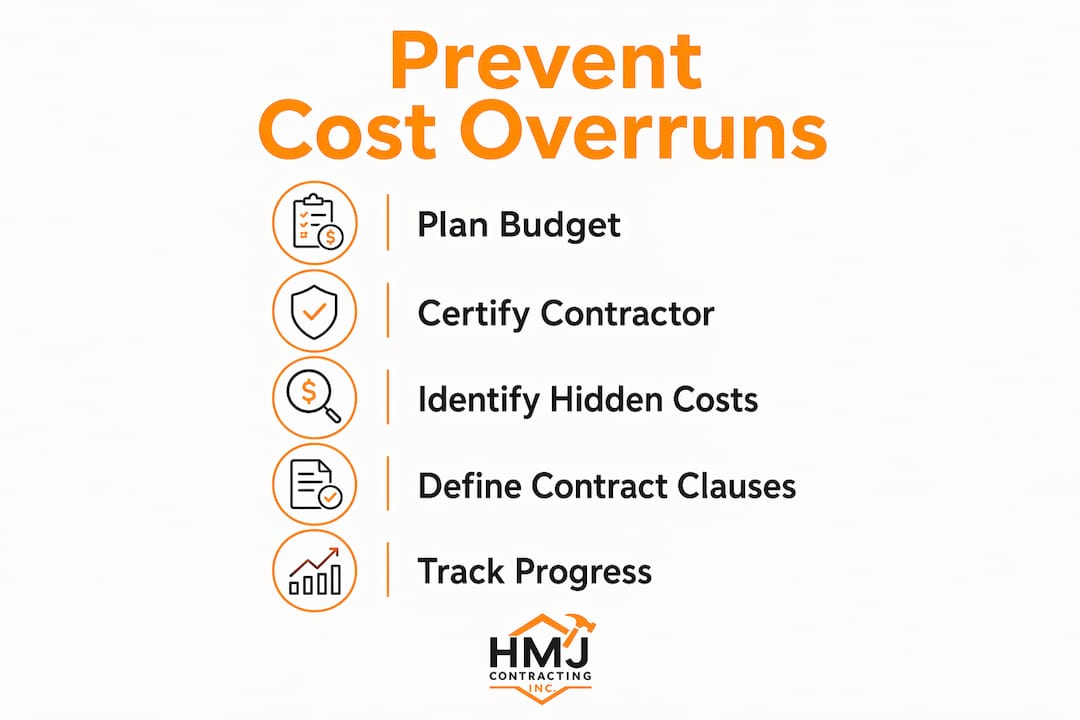
Check that the contractor holds a valid provincial abatement licence and carries liability insurance and Workers' Compensation coverage. Ask for references from completed Ottawa projects and verify that their quote includes all five required line items: site preparation and containment, certified labour, equipment, regulated disposal fees, and third-party air monitoring. A contractor who bundles air clearance testing into their own services creates a conflict of interest. Independent verification is the only reliable safety guarantee. Review the signs you need abatement before renovation to know what to look for in older Ottawa homes.
Pro Tip: Ask every abatement contractor directly: "Who conducts your post-removal air clearance testing?" If the answer is their own crew, request a separate independent consultant.
What hidden costs should you expect with hazardous material abatement?
Abatement projects carry costs that standard renovation quotes rarely capture upfront. Older Ottawa homes built before 1990 have a meaningful likelihood of containing asbestos, making pre-renovation testing a standard budget line, not an optional extra.
Friable materials like pipe insulation or vermiculite attic fill require more stringent containment than non-friable materials like vinyl floor tiles, and the cost difference is real. Regulated disposal of hazardous waste carries mandatory manifest tracking and provincially approved landfill fees. Post-removal air clearance testing by an independent consultant adds another cost, but skipping it exposes you to health liability and potential work stoppages if a future inspection flags the issue. Build all of these into your budget before you receive your first quote, not after. A renovation budget guide specific to Ottawa can help you set realistic line items for each stage.
What contract clauses protect you from unexpected change orders?
Contracts without a clear change-order process are one of the most common reasons renovation budgets fail. Requiring written homeowner approval and a stated price before any extra work begins is the single most effective contract protection available.
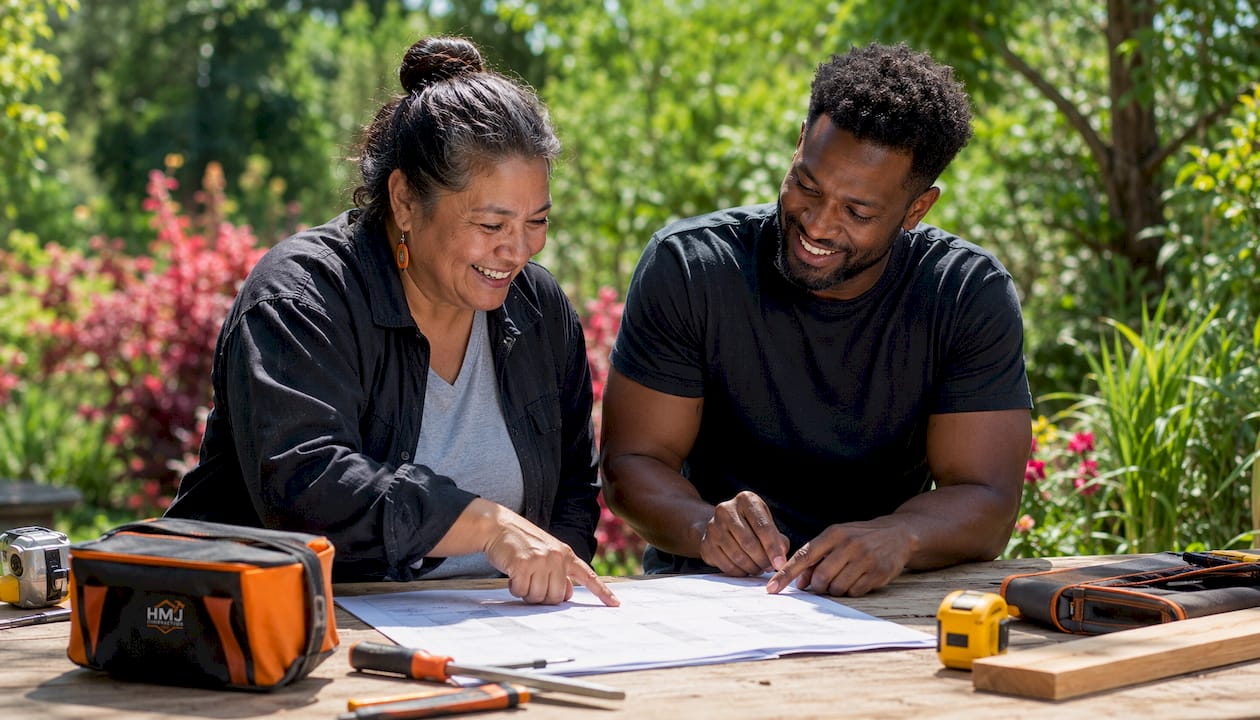
Your contract should specify that work stops when an unforeseen condition is discovered, that the contractor documents the issue with photos, and that you receive written options and costs before approving next steps. Ask specifically how permit fees, waste removal, and final cleaning are handled, since these are frequently omitted from initial quotes to make the number look smaller. Scope creep through small "while we're here" additions accumulates fast. A structured change-order process keeps those additions visible and priced before they become line items on your final invoice.
Hmjcontracting: certified abatement and transparent renovation pricing in Ottawa
Ottawa homeowners dealing with older properties need a contractor who understands both the abatement regulations and the renovation work that follows. Hmjcontracting brings over 25 years of Ottawa experience, a perfect 5.0-star Google rating, and a commitment to detailed, itemized quotes so you know exactly what you are paying for before work begins.

Hmjcontracting handles certified asbestos and hazardous material abatement through to full renovation completion, coordinating every stage so abatement, permits, and trades stay on schedule. No vague allowances, no surprise change orders. Get a free quote and see the difference a transparent process makes for your project.
Key takeaways
Avoiding renovation cost overruns in Ottawa requires a contingency fund sized to your home's age, certified abatement before demolition, and a written change-order clause in every contract.
| Point | Details |
|---|---|
| Contingency fund sizing | Budget 15–20% for standard homes; 20% or more for homes built before 1970. |
| Get three itemized quotes | Compare at least three bids for any project over $10,000 to catch scope gaps. |
| Lock in decisions early | Finalize all materials before demolition to avoid allowance overruns and delays. |
| Independent air clearance | Require a third-party consultant for post-removal testing, never the abatement crew itself. |
| Hmjcontracting | Provides certified abatement and full renovation services in Ottawa with transparent, itemized pricing. |