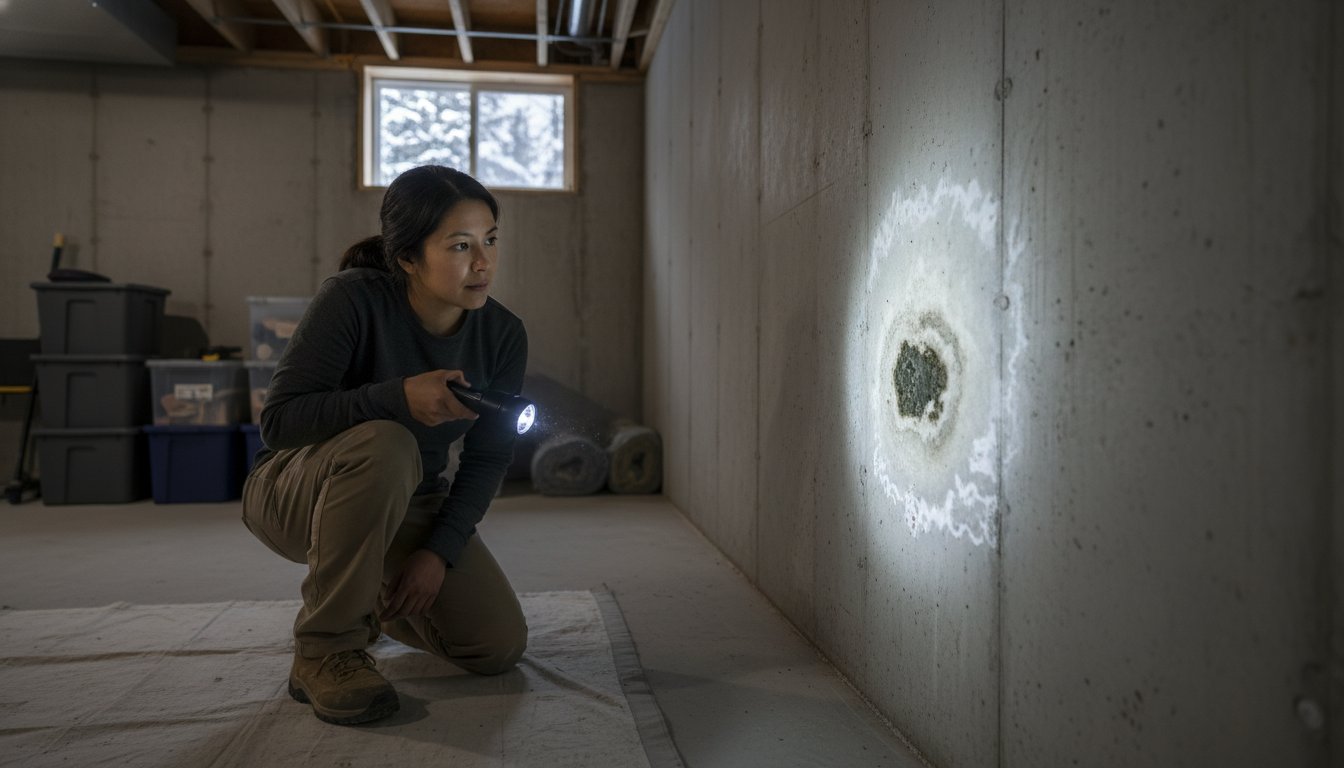
Could that white, powdery stain on your concrete be something more than just harmless mineral buildup? While many Ottawa homeowners assume a damp basement is simply an unavoidable part of local life, ignoring the early signs of mold in basement walls can lead to significant health concerns and long-term structural issues. It's natural to feel anxious about the potential cost of remediation or the impact on your foundation's integrity. You deserve the peace of mind that comes with a healthy, stable home environment.
We've designed this guide to help you distinguish between simple efflorescence and active fungal growth. You'll learn how to identify hidden and visible mold growth on your basement walls and the specific steps to take for a safe, dry home. We'll examine ten critical indicators, from musty odors to the moisture traps often created by incorrect vapor barrier placement under the 2024 Ontario Building Code, providing a clear roadmap to restore your property's value and safety.
Key Takeaways
- Understand how Ottawa's unique Leda clay soil and seasonal freeze-thaw cycles create specific moisture vulnerabilities in your foundation.
- Identify the visual and olfactory signs of mold in basement walls to catch fungal growth before it impacts your indoor air quality.
- Learn the "crush test" technique to quickly distinguish between harmless mineral efflorescence and active, destructive mold colonies.
- Discover how moisture meters and specialized tools reveal hidden dampness tucked away behind finished drywall and wood studs.
- Gain insights into professional remediation standards that ensure safe containment and prevent the accidental spread of spores during removal.
Understanding Why Ottawa Basements Are High-Risk for Mold
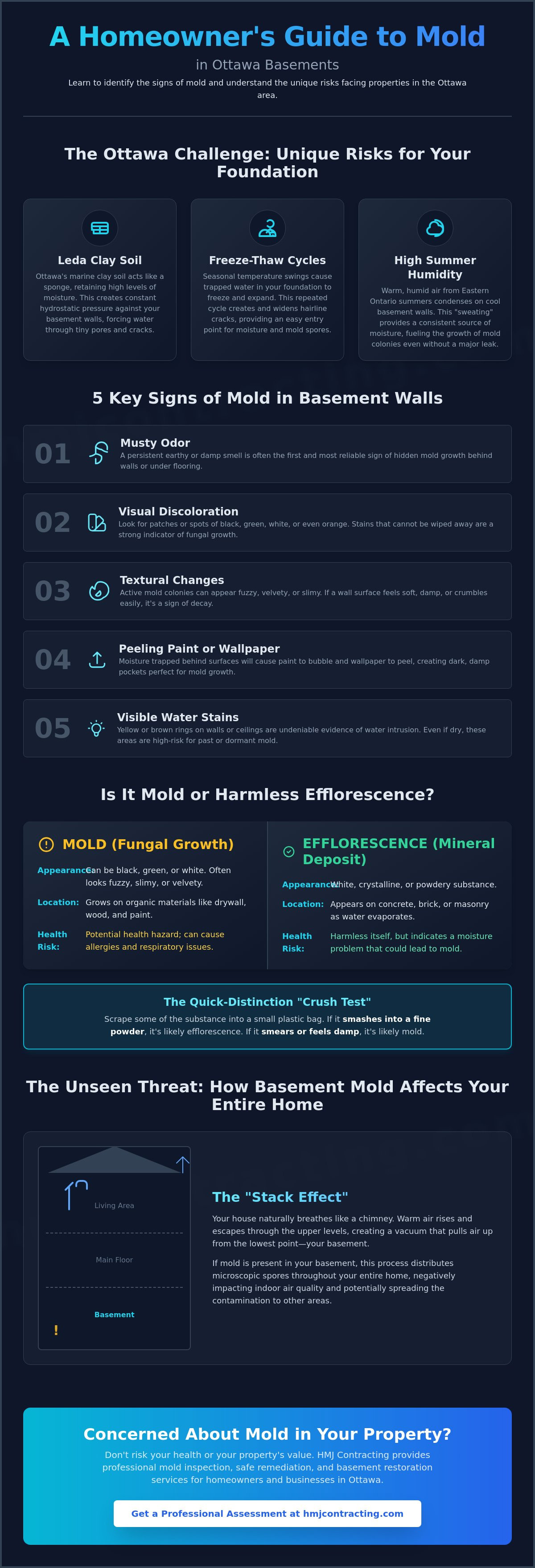
Ottawa's unique geography presents specific challenges for local property owners. The region sits on a foundation of Leda clay, a specialized marine clay known for its high water retention and sensitivity. Unlike sandy soils that allow for rapid drainage, this clay holds onto moisture like a sponge. This saturated environment creates a persistent dampness against your foundation. When combined with our local climate, this moisture often leads to the first signs of mold in basement walls.
Our city experiences extreme temperature swings that stress building materials. During the winter, water trapped in the soil or within small pores of your concrete foundation freezes and expands. This cycle happens dozens of times each season, eventually forcing open hairline cracks. These tiny openings are all the invitation moisture needs to enter your home. Once inside, the process of how mold grows indoors begins quickly, especially in the dark, undisturbed corners of a basement.
Eastern Ontario summers are also notoriously humid. When that warm, moisture-laden air hits the naturally cooler surfaces of your basement walls, it reaches its dew point. This results in condensation. While many homeowners assume their basement is dry because there are no active floods, this invisible condensation provides enough fuel for fungal colonies. Industry observations show that the vast majority of residential mold issues originate in the basement due to this combination of soil pressure and temperature differentials.
Hydrostatic Pressure and Ottawa Foundations
Saturated Leda clay exerts immense hydrostatic pressure against your home. This physical weight pushes liquid water through the tiniest imperfections in your foundation. Poured concrete walls typically resist this pressure better than older cinder block foundations, which have hollow cores that can trap water internally. If you notice damp spots near the floor or a white powdery substance on the surface, your exterior weeping tile system may be failing to redirect this water away from the structure. HMJ Contracting specializes in identifying these structural vulnerabilities during our mold remediation assessments.
The Stack Effect and Indoor Air Quality
Your home acts like a giant chimney through a process known as the stack effect. Warm air naturally rises and escapes through upper levels, creating a vacuum that pulls air from the basement upward into your living spaces. If mold is growing behind your basement walls, those spores are being distributed throughout your entire home. Maintaining a relative humidity level below 50% is a critical step in preventing this growth. Professional intervention is often necessary to address the root cause of the moisture and ensure your air remains clean for your family.
5 Visual and Sensory Signs of Mold in Basement Walls
Detecting the early signs of mold in basement walls requires a combination of visual inspection and sensory awareness. While some growth is obvious, other indicators are subtle and easily mistaken for common household dirt. Recognizing these cues early can prevent a minor moisture issue from evolving into a significant structural and health challenge. Property owners should perform a walk-through of their basement at least once a month to look for changes in wall appearance.
- Discoloration Patches: Mold isn't always black. It frequently appears as green, white, or even orange smears on concrete and drywall.
- Textural Changes: Active colonies often look fuzzy, slimy, or velvety. If the wall surface feels "tacky" or soft to the touch, mold is likely consuming the material.
- Water Staining: Yellow or brown rings are clear indicators of chronic moisture. These rings mark the boundaries of past water intrusion, providing the exact environment spores need to thrive.
- Peeling Paint or Bubbling Wallpaper: When moisture gets trapped behind a finish, it forces the material away from the wall. This creates a dark, damp pocket where mold can grow undetected for months.
Identifying Different Types of Basement Mold
Mold is a biological organism that feeds on organic materials like drywall paper. In Ottawa basements, we commonly see Stachybotrys, often called black mold, which appears dark green or black and feels slimy. It typically congregates in areas with consistent water leaks. Aspergillus and Penicillium are also frequent guests; these molds are often lighter in color and appear powdery. Because they look like common dust, homeowners frequently miss them until the infestation is widespread. Understanding these differences is vital for effective mold cleanup and remediation strategies.
The Smell Test: Beyond Just "Musty"
The characteristic "basement smell" is usually the result of microbial volatile organic compounds (mVOCs) released by active fungi. This isn't just stagnant air. The odor often intensifies when your furnace or air conditioner runs, as the airflow disturbs the spores and gases. You might also notice the smell becomes much stronger after a heavy Ottawa rainstorm, which increases the moisture levels in your foundation walls. If you detect a persistent, earthy scent that doesn't dissipate with ventilation, it's time to look closer at your wall assemblies. For a professional assessment of your home's air quality and structural health, you can contact our local team for expert guidance.
Mold vs. Efflorescence: Distinguishing Growth from Mineral Deposits
Many Ottawa homeowners encounter white, chalky streaks on their concrete foundation and immediately fear a fungal infestation. While these marks are certainly a warning, they are often efflorescence rather than active mold growth. Efflorescence occurs when water moves through porous masonry, dissolving salts and minerals along the way. As the water evaporates on the interior surface, it leaves behind these crystalline salt deposits. Distinguishing these minerals from the actual signs of mold in basement walls is the first step in a proper remediation strategy.
You can perform a simple "crush test" to identify the substance on your walls. Put on a pair of gloves and rub a small amount of the material between your fingers. Efflorescence is brittle; it will crumble into a fine, sandy powder and typically dissolves if you place it in a cup of water. Mold, being a biological organism, has a much different consistency. It will feel slimy or "smear" when pressed, and it will not dissolve in water. If the substance remains intact or feels velvety, you're likely dealing with a fungal colony that requires professional attention.
It's vital to understand that while efflorescence itself isn't a health hazard, it's a symptom of moisture intrusion. If left unaddressed, the same damp conditions that cause salt deposits will eventually support life. In many cases, we find mold growing directly on top of or alongside efflorescence. The salts provide a textured surface that can trap organic dust, creating a perfect feeding ground for spores. For a deeper look at managing these environments, the EPA offers A Brief Guide to Mold, Moisture, and Your Home, which outlines the fundamental relationship between water and indoor air quality.
Visual Comparison Guide
Efflorescence is almost exclusively white or yellowish and appears in a crystalline or "blossoming" pattern. It's strictly limited to masonry surfaces like concrete, brick, or stone. Mold, however, presents in a spectrum of organic colors and irregular shapes. It can grow on any surface, including wood studs, drywall, and insulation. Use the following table to help evaluate your basement walls.
| Feature | Efflorescence | Mold |
|---|---|---|
| Color | White, light yellow, or grey | Black, green, white, or orange |
| Texture | Crystalline, brittle, or sandy | Fuzzy, slimy, or velvety |
| Solubility | Dissolves in water | Does not dissolve in water |
| Primary Risk | Water intrusion; cosmetic damage | Respiratory issues; structural decay |
Why Diagnosis Matters for Remediation
The methods for handling these two issues are entirely different. Cleaning efflorescence involves a simple wire brush and moisture control, but killing mold requires specialized antimicrobial treatments and containment. Ignoring the distinction can lead to wasted effort or, worse, the accidental spread of spores throughout your home. Persistent efflorescence is a clear signal that your home needs professional waterproofing or structural repairs to prevent future growth. At HMJ Contracting, we focus on the root cause; ensuring your foundation remains dry is the only way to protect your long-term investment and your family's health.
Hidden Mold: How to Spot Moisture Intrusion Behind Finished Walls
In a finished basement, the most dangerous signs of mold in basement walls are often the ones you can't see. When drywall and insulation cover the foundation, moisture can build up for years without showing a single spot on the surface. This "blind" growth is common in Ottawa homes where older basement finishes don't meet the current 2024 Ontario Building Code standards for moisture management. By the time mold appears on the front of the drywall, the structural studs and insulation behind it are often heavily compromised. You shouldn't wait for a visible stain to investigate a suspicious odor or a damp feeling in the air.
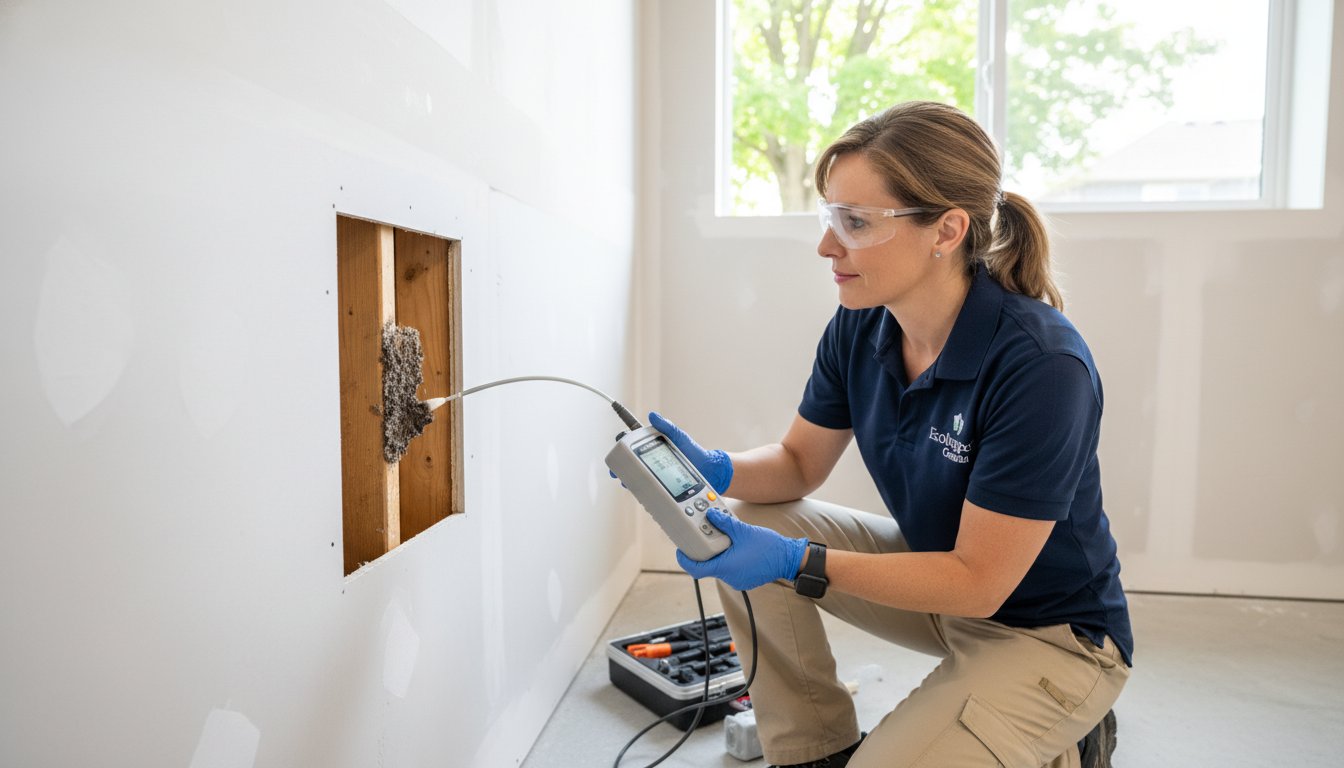
Professional investigators use specialized tools to identify these hidden threats without tearing down your entire basement. Moisture meters are essential for detecting dampness within wood studs and drywall that feel dry to the touch. These devices provide a percentage reading of moisture content, allowing us to pinpoint exactly where water is entering. Thermal imaging cameras also play a vital role by identifying cold spots on the wall surface. These temperature drops often correlate with moisture accumulation or missing insulation. You should also watch for "ghosting" on your baseboards; these dark streaks or shadows often indicate that moisture is wicking up from the floor or trapped behind the trim.
Investigating Behind the Drywall
If you suspect a problem, performing a safe "viewing hole" inspection is a practical next step. This involves cutting a small, controlled opening in the drywall, usually near the floor where moisture naturally settles. This reveals the backside of the fiberglass insulation, which often acts as a filter for spores and organic dust. While the fiberglass itself is inorganic, it traps the debris that mold uses for fuel. Mold thrives on the paper backing of standard Canadian drywall because it provides a rich organic food source. If the back of the board appears grey, black, or slimy, the infestation is already established and requires professional intervention.
The Role of Condensation in Finished Spaces
Condensation occurs when warm, humid indoor air penetrates the wall assembly and hits the cold concrete foundation. Without a properly installed vapor barrier to seal the building envelope, this moisture becomes trapped against the organic materials of your wall. Improper insulation in Ottawa basements creates a "mold sandwich" effect where moisture is squeezed between the cold foundation and the warm drywall, leading to rapid fungal growth. To ensure your home remains healthy and structurally sound, you can request a professional basement assessment to identify hidden moisture before it spreads.
Professional Remediation and Basement Restoration in Ottawa
Once you've identified the signs of mold in basement walls, the next step is a controlled response. Many homeowners feel the urge to scrub the area with bleach. This often does more harm than good. Scrubbing dry mold releases millions of spores into the air. These spores quickly enter your HVAC system and travel to every room in your house. Professional remediation isn't just about cleaning a surface. It's about protecting the rest of your home while the work happens.
At HMJ Contracting, we treat mold removal as a technical project. We don't just remove the visible growth. We address the structural integrity of the affected area. If your wall studs are rotted or your insulation is saturated, we manage the demolition and disposal safely. This sets the stage for a professional basement renovation that addresses the root cause of the moisture.
The Remediation Process: What to Expect
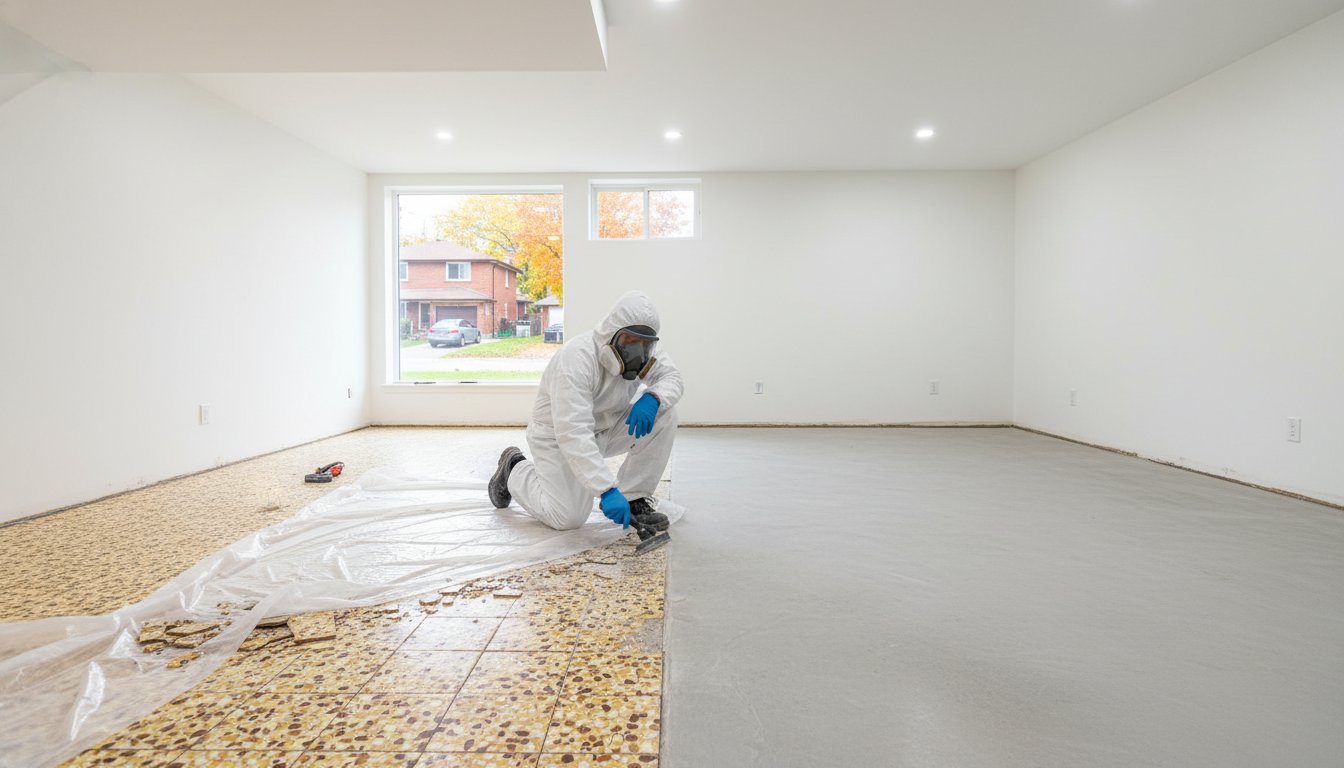
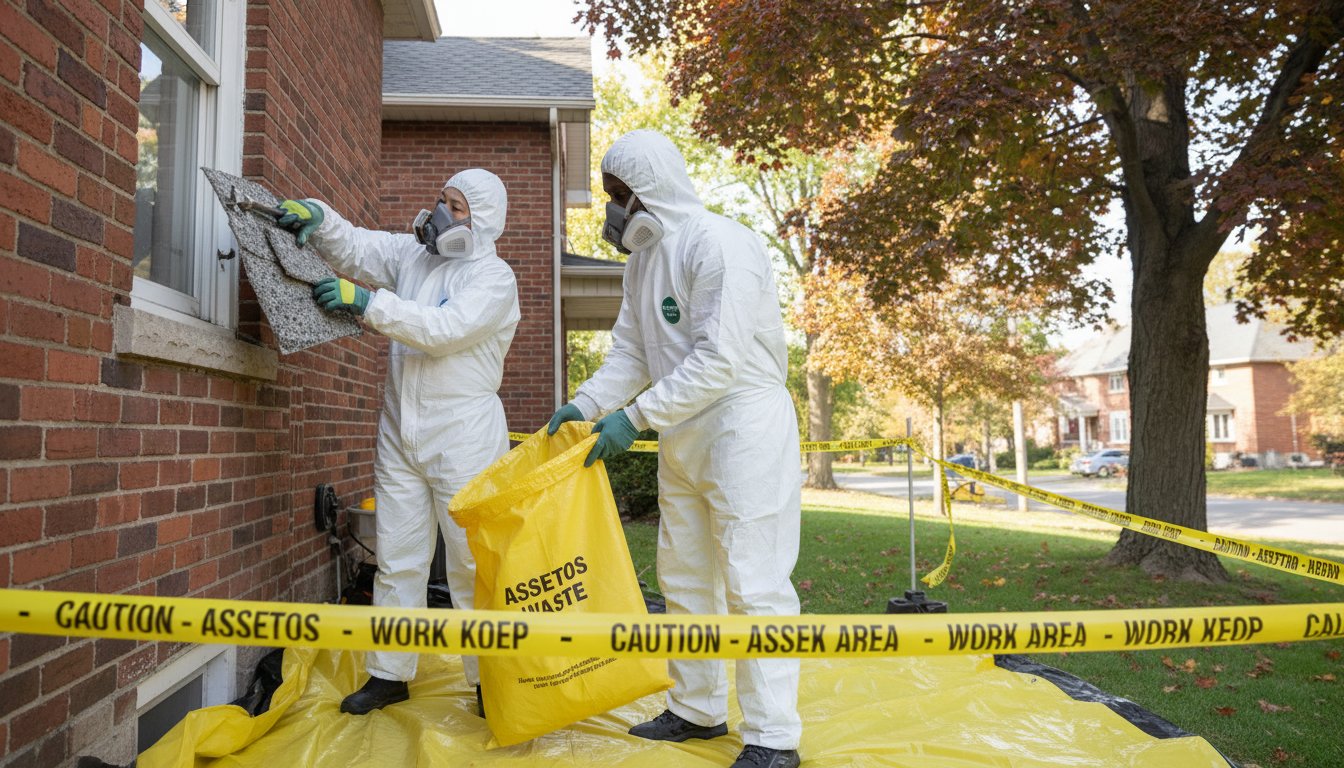
Our team begins by establishing a containment zone. We use heavy-duty plastic barriers and commercial-grade HEPA air scrubbers. This creates negative air pressure, ensuring that no spores escape the work area during the removal process. We carefully bag and dispose of all contaminated materials, including drywall, insulation, and carpeting. This prevents cross-contamination in other parts of your Ottawa property. Once the area is clean and treated with antimicrobial agents, we recommend final clearance testing. This verifies that the air spore counts have returned to safe, natural levels.
Restoring Your Space with HMJ Contracting
Remediation is only half the battle. To prevent the signs of mold in basement walls from returning, your space must be rebuilt to modern standards. We focus on using mold-resistant materials, such as moisture-tolerant insulation and specialized drywall. We also evaluate your home's defenses. This may include recommending a sump pump or changes to your exterior grading to keep water away from the foundation. A high-capacity dehumidifier is another essential tool for maintaining the sub-50% humidity levels discussed in earlier sections.
Rebuilding your basement is an opportunity to improve both its safety and its style. We transition seamlessly from removal to restoration, ensuring your new space is dry, healthy, and beautiful. Concerned about mold? Contact HMJ Contracting for a professional assessment to secure your home's future.
Secure Your Home’s Foundation and Future
Protecting your property starts with consistent vigilance. By recognizing the visual cues, earthy odors, and hidden moisture patterns discussed today, you can address the signs of mold in basement walls before they compromise your structural integrity. Ottawa's unique soil and climate conditions demand a proactive approach to moisture management. Whether you're dealing with visible surface growth or suspect moisture is trapped behind your finished drywall, early intervention is the key to maintaining a healthy indoor environment.
HMJ Contracting brings over 25 years of local experience to every project. As certified hazardous material remediation specialists, we manage the entire lifecycle of your project; this includes everything from precise demolition to high-end basement renovations. We don't just remove the immediate problem. We rebuild your space using modern, mold-resistant standards to ensure long-term stability and peace of mind.
Take the first step toward a healthier home today. Book a Mold Assessment & Basement Consultation to ensure your living environment remains dry and secure. You have the power to transform a damp basement into a stable, lasting asset for your family.
Frequently Asked Questions
Is black mold common in Ottawa basements?
Yes, Stachybotrys chartarum is frequently found in local basements due to high humidity and clay-based soil conditions. It thrives in dark areas with consistent water intrusion or poor drainage. Identifying the signs of mold in basement walls early helps prevent this specific strain from spreading into your home's air supply. Professional assessment is the only way to confirm the exact species present in your foundation.
Can I just paint over mold on my basement walls?
No, painting over mold is a temporary cosmetic fix that allows the fungus to continue rotting the underlying structure. Mold will eventually bubble through the new layer of paint or spread behind it. You must properly remediate the growth and address the moisture source before applying any finish. Using "mold-resistant" paint over an active colony is ineffective and often traps moisture, worsening the problem.
How much does professional mold removal cost in Ottawa?
Professional costs depend on the square footage of the affected area and the complexity of the structural repairs required. Every project is unique; factors like the type of foundation and whether the basement is finished will influence the final estimate. You should consult with a local specialist to receive a detailed breakdown based on your specific property needs. Proper remediation often involves both removal and the restoration of damaged drywall or insulation.
Does a musty smell always mean there is mold?
A persistent musty odor is a reliable indicator of active fungal growth or high moisture levels that will soon lead to it. This scent is caused by microbial volatile organic compounds released as mold feeds. While stagnant air can smell stale, a sharp, earthy odor typically confirms that you have hidden signs of mold in basement walls or within the insulation. If the smell intensifies when your HVAC system runs, the spores have likely entered your ductwork.
Can I stay in my home during basement mold remediation?
Most residents can remain in their homes if the work area is properly contained with negative air pressure and physical barriers. Professional teams use HEPA filtration to ensure spores don't migrate into living spaces. If the infestation is widespread or involves the main air handling system, your contractor might suggest temporary relocation for sensitive individuals. We prioritize your family's safety by maintaining strict containment protocols throughout the project.
Will a dehumidifier stop mold from growing on my walls?
A dehumidifier is an excellent preventative tool but it won't kill existing mold colonies once they are established. It works by keeping relative humidity below 50%, which is the threshold for most fungal growth. You should use it as part of a broader moisture control strategy. This includes proper exterior grading and foundation maintenance to keep liquid water from entering the structure.
What is the difference between mold and mildew in a basement?
Mold is a deep-seated fungus that can cause structural rot, while mildew is typically a surface-level growth. Mildew often appears flat and grey or white; mold is frequently fuzzy or slimy and comes in darker organic colors. In a basement environment, what homeowners call mildew is often the early stage of a more serious mold problem. Both require moisture to survive and should be addressed immediately to protect your indoor air quality.
Does home insurance in Ontario cover basement mold removal?
Most standard Ontario home insurance policies only cover mold remediation if it results from a "covered peril," such as a sudden pipe burst. Coverage is rarely provided for mold caused by long-term seepage, high humidity, or poor maintenance. You should review your specific policy or speak with your broker to understand your coverage limits. Insurance companies often distinguish between accidental water damage and gradual moisture intrusion.