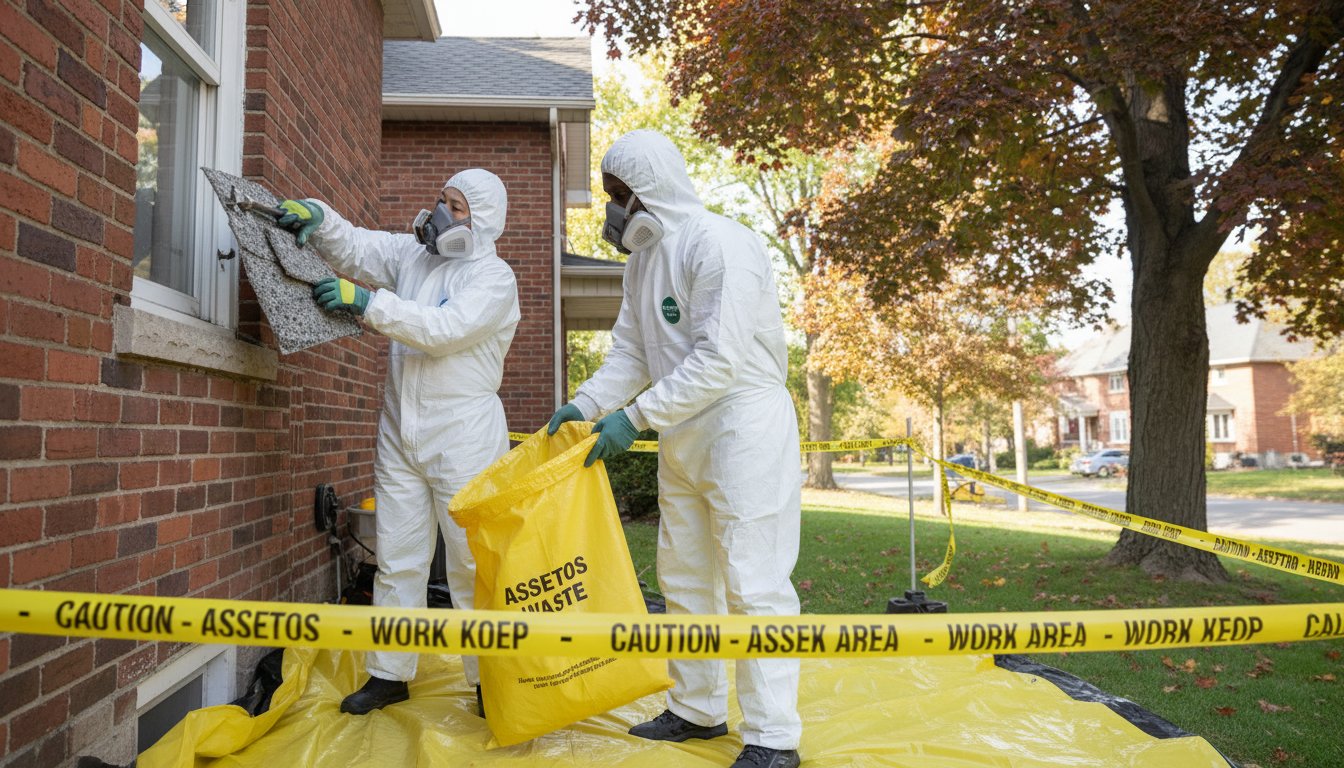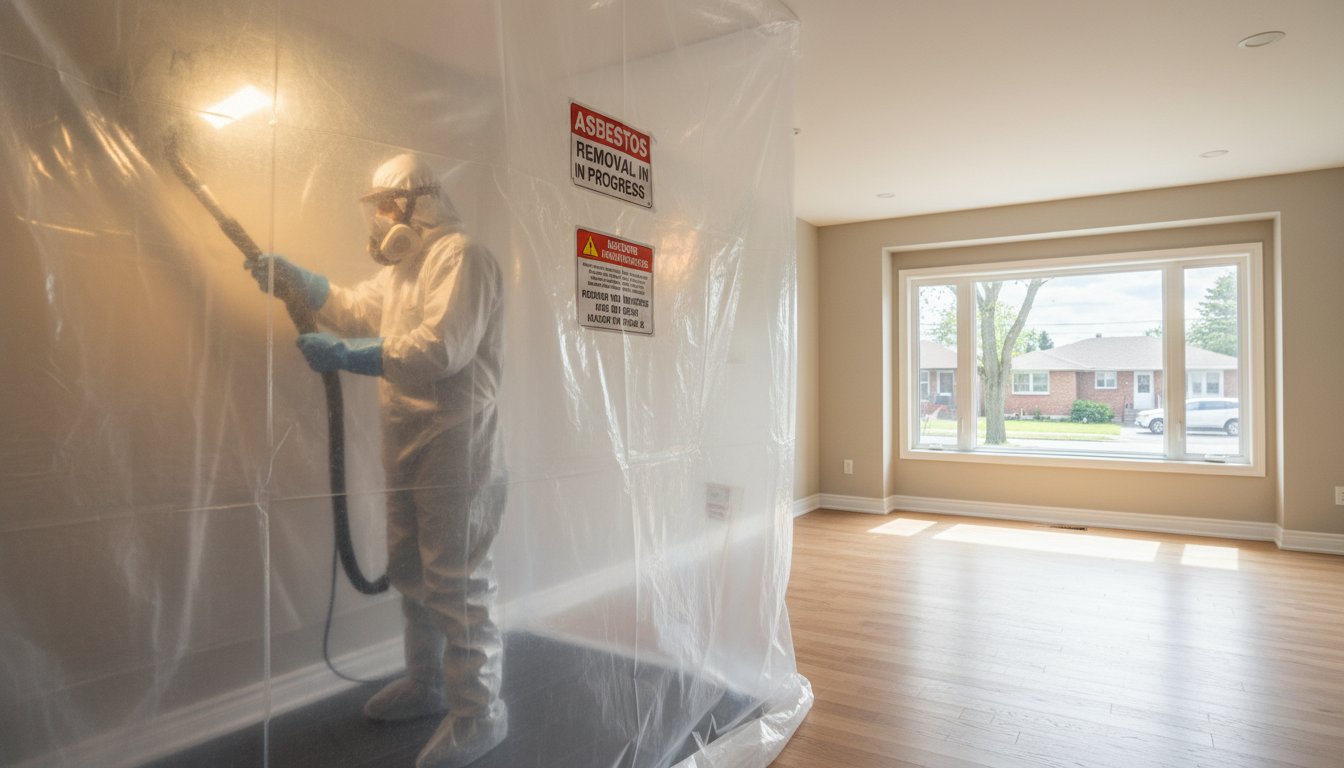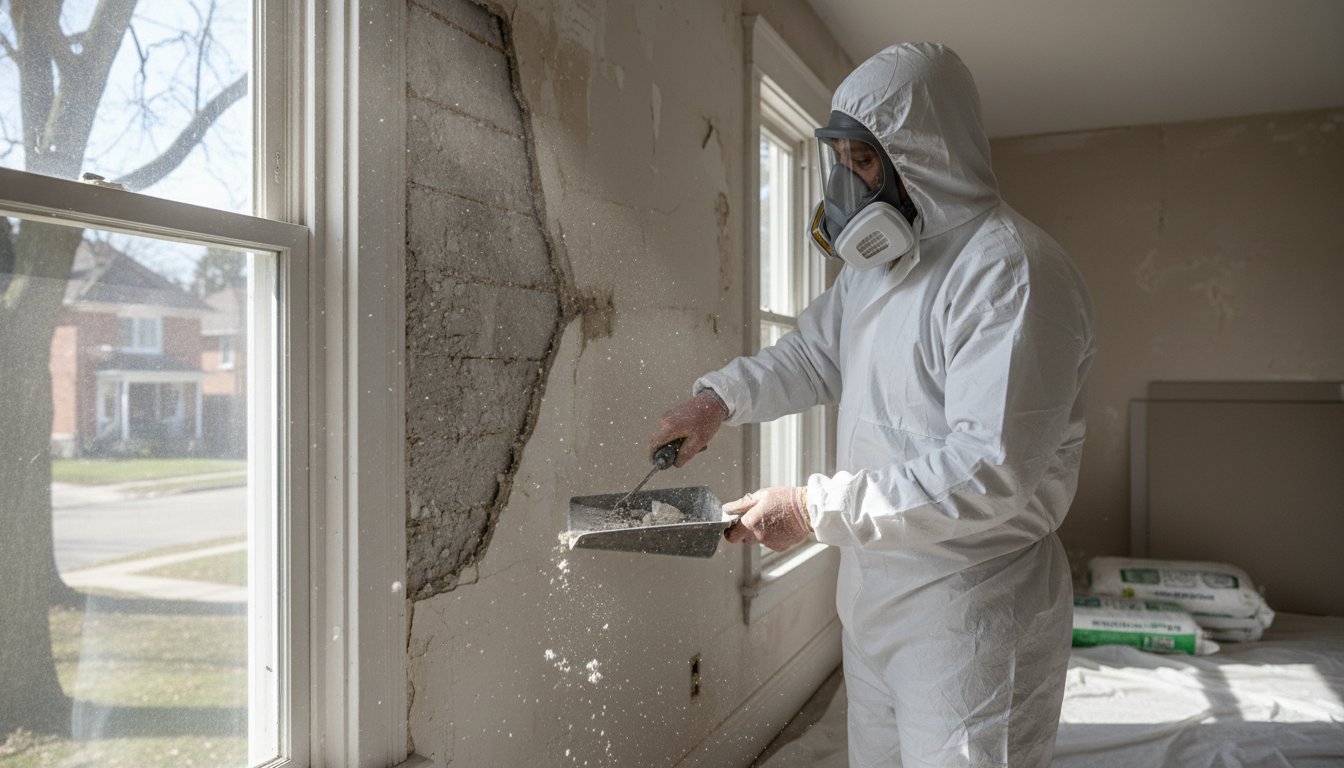
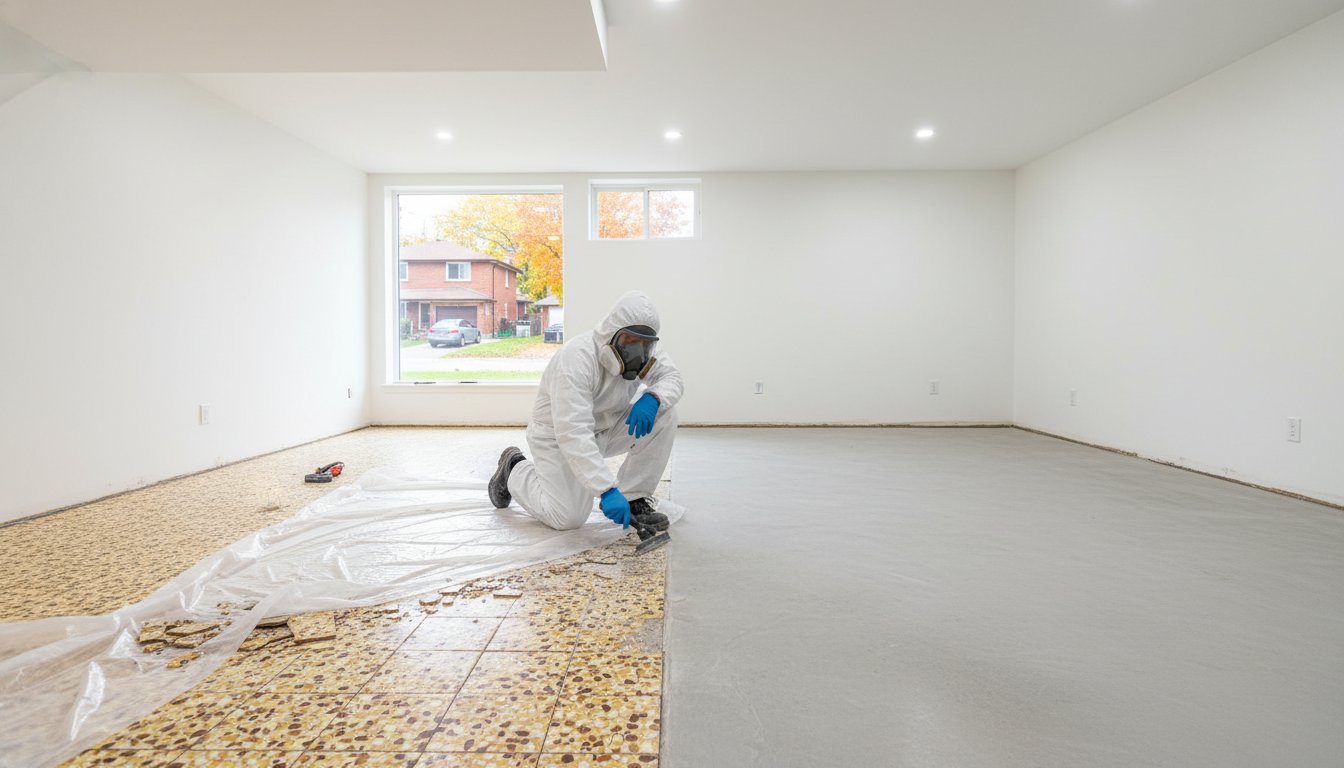
Your 1980s Ottawa basement floor is more than a renovation hurdle; it's a complex project governed by strict provincial safety standards. Most homeowners feel a wave of anxiety when they realize those vintage tiles might contain hazardous fibers. It's frustrating to face health concerns and potential budget shifts just when you're ready to modernize your property. Understanding the asbestos floor tile removal cost is the first step toward a safe and successful project.
We believe that clarity is the foundation of trust. This guide provides a clear look at how professional abatement works in Ontario, including the impact of the O. Reg. 115/26 updates effective July 1, 2026. You'll gain a realistic perspective on how to manage your renovation budget without compromising on safety or the high standards your home deserves. We will explore the provincial "Type" classifications, explain the May 15, 2026, disposal deadlines at the Ottawa Valley Waste Recovery Centre, and show you how to find a local partner who handles every phase of the process with composure and technical skill.
Key Takeaways
- Learn how square footage and flat-rate minimums influence your total asbestos floor tile removal cost in the current 2026 Ottawa market.
- Understand how Ontario Regulation 278/05 dictates the specific safety protocols and equipment required for your project based on risk levels.
- Discover the legal risks of DIY removal and the strict disposal requirements enforced at local Ottawa waste facilities like the Trail Road site.
- Identify the essential steps for preparing your property, starting with a professional lab report to ensure an accurate and transparent abatement quote.
- See how integrating abatement with your renovation plans through a full-service contractor can streamline your home transformation and ensure a high-quality finish.
Average Asbestos Floor Tile Removal Cost in 2026
Calculating your budget for a renovation often starts with a simple measurement. However, when dealing with hazardous materials, the asbestos floor tile removal cost is determined by more than just the dimensions of your room. In 2026, Ottawa homeowners are finding that industry costs have stabilized, though they remain heavily influenced by specialized disposal requirements and the labor-intensive nature of safe abatement. It's a common mistake to budget only for the tiles themselves. In reality, the black adhesive underneath, known as mastic, frequently contains asbestos as well. Removing both layers simultaneously is the standard professional approach to ensure a clean, safe subfloor for your new installation.
The 'Minimum Mobilization' Fee Explained
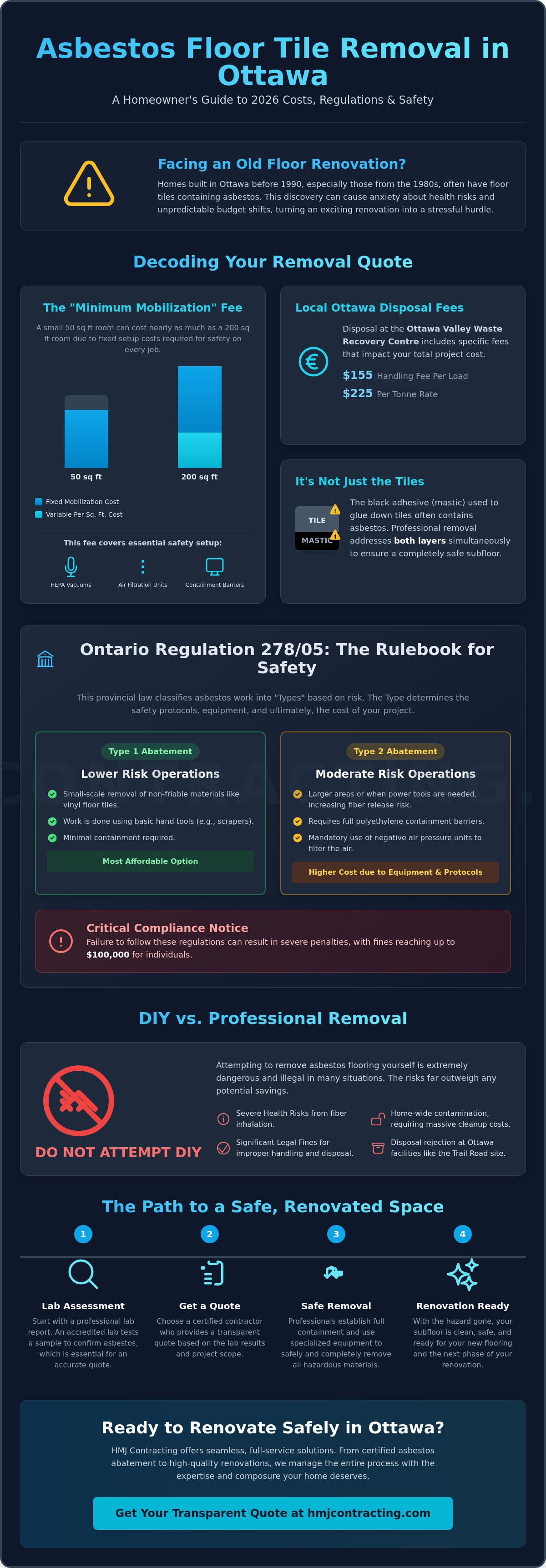
Many property owners are surprised when a small 50-square-foot powder room quote feels similar to the price of a 200-square-foot basement project. This happens because every professional job requires a minimum mobilization fee. This cost covers the essential setup of a regulated workspace, including specialized HEPA vacuum systems, air filtration units, and the construction of polyethylene containment barriers. Whether the area is large or small, the same asbestos abatement procedures must be followed to protect your home from fiber release. These fixed costs for equipment and professional certification ensure that even the smallest project meets Ontario's strict safety standards.
National Averages vs. Ottawa Realities
Generic online estimates often overlook the specific logistics of working within the National Capital Region. In established Ottawa neighborhoods like the Glebe or Westboro, homes often feature multiple layers of flooring or complex layouts that increase project difficulty. Most of these properties contain Vinyl Asbestos Tile (VAT), a durable material commonly manufactured and installed between 1920 and 1990. While national data might suggest a broad range, local market prices in 2026 reflect the specific tipping fees at the Ottawa Valley Waste Recovery Centre, which include a $155 handling fee per load and a $225 per tonne rate.
Choosing a partner who understands these local nuances is vital for a smooth project. We focus on providing a methodical, transparent experience that bridges the gap between specialized demolition and your final creative vision. By addressing the technical challenges of abatement with composure, we ensure your project stays on track. You can find more insights on managing property improvements and professional services at https://bloghmjcontracting.blog/. We aim to turn a stressful discovery into a well-managed step toward your home's long-term value.
How Ontario Regulations Impact Your Removal Quote
Your project's bottom line is directly tied to the legal frameworks established by the province. In Ottawa, every professional abatement project must adhere to Ontario's asbestos regulations, specifically O. Reg. 278/05. This regulation categorizes removal work into three distinct "Types" based on the potential for fiber release. These classifications dictate everything from the protective gear our team wears to the complex air filtration systems required on-site. When you receive a quote for asbestos floor tile removal cost, you're paying for the specialized infrastructure required to keep your home's air clean. Precision in following these rules isn't just about safety; it's a legal necessity to avoid the significant penalties for non-compliance, which can reach $100,000 for individuals.
A critical factor in these regulations is the distinction between friable and non-friable materials. Friable materials can be easily crumbled by hand, releasing dangerous dust instantly. Fortunately, vinyl floor tiles are classified as non-friable because the asbestos fibers are locked within a solid matrix. This status remains as long as the tiles aren't sanded, ground, or broken into tiny pieces during the process. If your project requires aggressive removal methods to clear a stubborn subfloor, the regulatory requirements and the associated costs will shift significantly to account for the increased risk of fiber release.
Type 1 vs. Type 2 Abatement Costs
Type 1 operations involve small areas and basic hand tools. These are generally the most affordable projects because they require minimal containment and no specialized ventilation. However, once a project exceeds a certain size or necessitates the use of power tools, it enters Type 2 territory. This shift requires the installation of negative air pressure units and more robust decontamination areas. The transition from Type 1 to Type 2 represents a significant price jump. The extra labor hours for setup and the specialized equipment overhead are necessary to maintain a safe environment in your home.
The Hidden Cost: Black Mastic Remediation
The tiles themselves are only half the story. The "black mastic" adhesive used in older Ottawa homes often contains a higher concentration of asbestos than the tiles it holds. Removing this glue is a labor-intensive process that can add 30% to 50% to a standard removal quote. We use either specialized chemical solvents or mechanical grinding with HEPA-shrouded equipment to leave your concrete or subfloor perfectly clean. If you're planning a full basement overhaul, it's wise to consult with a professional early to identify if mastic remediation is necessary for your specific floor type.
Managing these regulatory hurdles requires a partner who values accountability and technical skill. We handle these complexities with composure so you can focus on the creative vision for your space. For more detailed guides on managing property improvements in the National Capital Region, visit https://bloghmjcontracting.blog/. We aim to provide the stability you need during a high-stakes renovation.
DIY vs. Professional Removal: Evaluating the Real Risks
The temptation to handle a small floor project on your own is understandable. Many online forums suggest that wetting down tiles makes the job safe for a homeowner. This perspective ignores the reality of microscopic fiber release. The true asbestos floor tile removal cost includes potential long-term liabilities that far outweigh any initial savings. Professional intervention acts as a form of renovation insurance. It protects your family's health and preserves the future resale value of your Ottawa property. We approach every project with the technical skill needed to ensure hazardous materials are handled correctly from the start.
Cross-contamination is the most significant risk of amateur removal. Once fibers become airborne, they settle in carpets, furniture, and your HVAC system. A standard furnace filter cannot trap these particles. Instead, your ventilation system will circulate them throughout every room in your house for years. We prevent this by using negative air pressure and physical barriers. This ensures the hazard stays contained within the workspace. When calculating the total asbestos floor tile removal cost, homeowners should account for the price of peace of mind that comes with a clean air report.
The Liability of Improper Disposal
Standard municipal trash collection in Ottawa won't accept asbestos-containing materials. If you attempt to dispose of these tiles at a municipal site like Trail Road without following strict hazardous waste protocols, you face heavy fines. These sites require advance notice and specific double-bagging techniques that most homeowners aren't equipped to handle. The Ministry of Labour frequently issues stop-work orders on residential projects where improper abatement is suspected. These delays can stall your renovation for weeks. Additionally, failing to provide documentation of professional removal can complicate a future home sale. Buyers in competitive markets like Kanata or Orléans often demand proof that hazardous materials were managed according to provincial law.
Health Safety: Beyond the Mask
Many people believe a standard N95 mask provides sufficient protection. This is a dangerous misconception. Asbestos fibers are microscopic and can easily bypass the seals of consumer-grade respirators. Professional abatement requires specialized equipment, including high-efficiency particulate air (HEPA) filtration. Our team follows a methodical process that includes air clearance testing to verify the space is safe for your family to re-enter. For a deeper look at these safety protocols, read our Asbestos Removal in Ottawa: The Reliable Expert’s Guide. We aim to provide the stability you need during a high-stakes renovation.
Preparing Your Ottawa Home for Asbestos Abatement
Moving from the budgeting phase to the actual project requires a methodical approach. We ensure every step is managed with precision to minimize disruption to your household. A typical 500-square-foot removal project in Ottawa usually spans two to three days. This timeline includes site setup, the actual removal, and the mandatory waiting period for air clearance testing. By understanding the process, you can manage your expectations and ensure the asbestos floor tile removal cost remains a predictable part of your renovation budget. Clear communication and a structured roadmap are the hallmarks of a professional contractor, turning a potentially stressful event into a well-managed phase of your home improvement.
Step 1: Testing and Documentation
A professional lab report is the only way to confirm the presence of hazardous fibers. Even if the age of your property suggests a high probability, the law requires documented proof before any professional abatement begins. This documentation serves as a baseline for safety protocols and ensures all waste is handled according to provincial standards. In Ontario, a material is legally classified as asbestos-containing if it meets the 1% asbestos content threshold. Professional testing in the Ottawa area typically costs between $300 and $600 for an inspection covering one to three areas. This initial investment protects you from unnecessary expenses if the material is found to be safe, providing the technical authority needed to proceed with confidence.
Step 2: Site Preparation and Containment
Before our team arrives, you'll need to clear the work area of all furniture, area rugs, and personal items. This proactive step reduces labor time and prevents the cross-contamination of your belongings. We then take over to seal all HVAC vents and registers to isolate the room from the rest of your home's ventilation. You should expect to see our team install thick polyethylene barriers and specialized decontamination units at the entry points. These measures are not just for show; they are essential components of a high-standard service that keeps your family safe.
The final phase is the clearance period. Once the removal is complete, a third-party professional must conduct air testing to verify the space is free of microscopic fibers. We don't consider the job finished until we receive a clean air report. This commitment to integrity ensures your home is ready for the next stage of its transformation. If you're ready to secure your property's future, contact us for professional asbestos removal and let our seasoned experts handle the technical challenges with composure. For more advice on managing local property improvements, visit https://bloghmjcontracting.blog/ to explore our full range of services.
Seamless Transitions: From Removal to Renovation
Successful property transformations begin with a clean slate. While the initial focus often centers on the asbestos floor tile removal cost, the true value lies in the safety and modern design that follow. We view abatement as the foundational step of your project. By removing hazardous materials correctly, we ensure that your home is not just beautiful, but also a healthy environment for your family. This methodical approach allows you to move forward with your creative vision, knowing the technical challenges are behind you. Viewing your renovation as a long-term investment in safety provides the peace of mind necessary for a high-end result.
Why a 'Demolition to Finish' Approach Works Best
Hiring separate teams for abatement and construction often leads to logistical friction and communication errors. When you work with a full-service partner, you eliminate the "gap time" that typically stalls a renovation for weeks. Our team manages both hazardous material remediation and the subsequent renovations with a single, cohesive plan. This continuity is vital for maintaining structural integrity during the removal process. We use precision tools to clear stubborn black mastic without damaging the underlying concrete or wood subfloor. Proper removal ensures a clean, level surface that prevents future bonding issues with your new flooring installation. When homeowners evaluate the total asbestos floor tile removal cost, they often find that the efficiency of a single contractor provides the best overall value by protecting the project timeline.
Building Value with HMJ Contracting
Stability and trust are earned through years of dedicated service to local property owners. We bring over 25 years of experience to the Ottawa community, combining technical certification with neighborly approachability. We understand that your home is your most significant emotional and financial investment. That's why we handle every complex challenge with composure and a strong sense of accountability. Whether you're refreshing a heritage basement in the Glebe or modernizing a commercial space in Kanata, we act as your creative partner from the conceptual stage to final completion. We provide the technical detail and reliability you need to make informed decisions. Contact HMJ Contracting for a transparent asbestos removal quote today and let us guide you through a simplified, ease-oriented renovation experience.
Secure Your Home's Future with Professional Care
Managing hazardous materials requires a balance of regulatory knowledge and technical precision. We've explored how Ontario's "Type" classifications dictate project safety and why professional disposal at local sites is a legal necessity. Your renovation is an investment in your property's longevity. Ensuring a clean, asbestos-free subfloor is the only way to guarantee the success of your new flooring installation. This methodical approach protects your family and preserves your home's resale value in the competitive Ottawa market.
Understanding the asbestos floor tile removal cost allows you to budget with confidence rather than fear. We bring over 25 years of Ottawa renovation experience to every project. As certified asbestos abatement specialists, we handle both the complex demolition and the subsequent rebuilding. This full-service approach simplifies your experience and ensures high standards from the conceptual stage to final completion. We handle the technical challenges with composure so you can focus on your creative vision.
Request a Professional Asbestos Removal Estimate
Your vision for a modern, safe home is within reach. We look forward to being your partner in this transformation and providing the stability your project deserves.
Frequently Asked Questions
Is it always necessary to remove asbestos floor tiles?
Removal is not legally required if the tiles are in good condition and will remain undisturbed. If the material is non-friable and isn't crumbling, you can often leave it in place. However, any renovation that involves drilling, sanding, or prying up the floor necessitates professional abatement to prevent the release of hazardous fibers into your home.
How much does it cost to remove asbestos tiles per square foot in Ottawa?
The total asbestos floor tile removal cost depends on several logistical factors rather than a simple flat rate. You should consider the project's "Type" classification under provincial law, the presence of black mastic adhesive, and current disposal rates at local facilities. For instance, the Ottawa Valley Waste Recovery Centre currently charges a $155 handling fee per load plus $225 per tonne for hazardous materials. These fixed third-party fees often mean smaller rooms have a higher price point per square foot than larger basements.
Can I lay new flooring over existing asbestos tiles to save money?
You can install new flooring over asbestos tiles through a process called encapsulation. This is a common strategy in Ottawa homes where the original tiles are flat and well-bonded to the subfloor. While this saves on immediate abatement expenses, it's a temporary solution. Future owners will still need to address the underlying hazard if they decide to strip the floors back to the joists or concrete.
How long does the asbestos tile removal process take for a basement?
A standard residential basement project typically requires two to three business days to complete safely. The first day is dedicated to site preparation, including the installation of polyethylene barriers and HEPA filtration units. After the physical removal is finished, the space must remain sealed until a third-party professional completes air clearance testing to verify the environment is safe for re-entry.
What are the signs that my floor tiles might contain asbestos?
Age is the most reliable indicator for property owners in neighborhoods like Nepean or Kanata. If your home was built before 1990, there's a high probability the flooring contains asbestos. Look for tiles that are exactly 9x9 inches in size, as this was a standard dimension for vinyl asbestos products. Additionally, a thick black adhesive visible beneath a chipped tile is often "cutback" mastic, which frequently carries a high asbestos concentration.
Are the costs for commercial asbestos tile removal different from residential?
Commercial projects often involve higher overhead due to stricter air monitoring requirements and complex site access. Businesses and property managers frequently request evening or weekend work to avoid disrupting operations, which can shift the asbestos floor tile removal cost upward. Commercial buildings are also subject to more rigorous reporting standards under Ontario Regulation 278/05, requiring detailed records for building safety audits.
Does insurance cover the cost of asbestos floor tile removal?
Standard homeowner insurance policies rarely cover abatement during a planned renovation. Most providers view asbestos as a known material rather than a sudden accident. Coverage typically only applies if the asbestos is disturbed during a "covered peril," such as a pipe burst or a fire that necessitates the removal of damaged flooring. It's best to review your specific policy with your broker before starting your project.
What happens if asbestos is found during a demolition project?
You must stop all work immediately to prevent the spread of dust. If we discover suspect material during a demolition, we secure the area and wait for a professional lab analysis to confirm the asbestos content. Once the hazard is identified, a certified abatement team must remove the material according to provincial "Type" protocols before any other renovation work can resume. Ignoring a discovery can lead to significant fines from the Ministry of Labour.