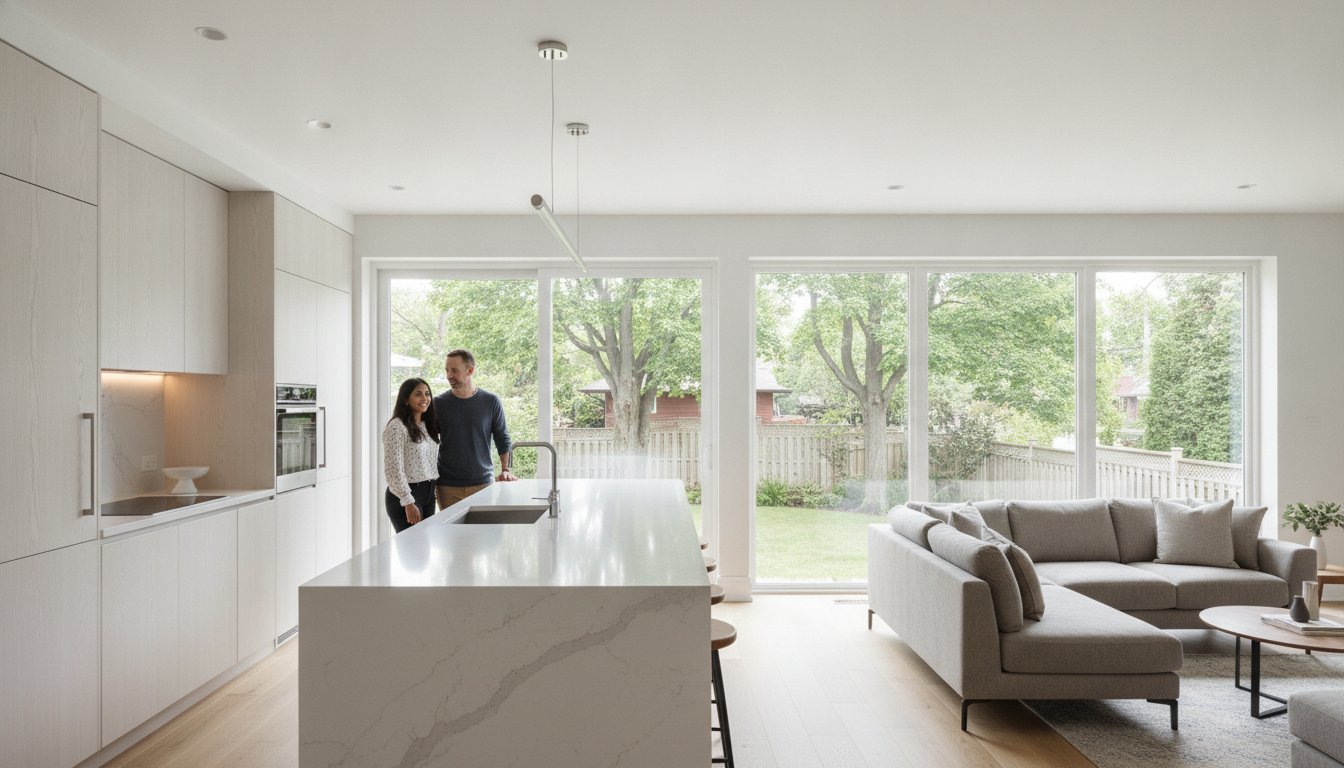

What if the most expensive part of your home improvement project isn't the premium cabinetry, but a single oversight in your planning phase? For many Ottawa property owners, the dream of a modern kitchen or a finished basement can quickly turn into a logistical headache when unexpected hurdles arise. Successfully avoiding common renovation mistakes requires more than just a vision; it demands a clear understanding of local regulations and structural integrity. Whether you're concerned about budget overruns or the fear of hiring an unreliable contractor, your anxiety is valid. A home is your most significant investment, and the stakes are high when you begin tearing down walls.
You'll learn how to manage the complexities of modern construction while maintaining a safe environment for your family. This guide breaks down the essential steps for a smooth project timeline, from navigating the $12.75 per $1,000 building permit fees to complying with the 2026 Ontario Fire Code updates. We'll examine the critical role of professional asbestos removal under the latest O. Reg. 115/26 standards and how strategic demolition adds real property value. By the end of this article, you'll have a professional roadmap to ensure your renovation is handled with the precision and craftsmanship it deserves.
Key Takeaways
- Learn why a 15% contingency buffer is essential for managing unexpected costs and preventing mid-project design changes.
- Discover the health and financial risks of DIY demolition and how professional asbestos or mold remediation protects your property’s long-term value.
- Master the art of avoiding common renovation mistakes by distinguishing between low-ball quotes and the comprehensive security provided by a licensed general contractor.
- Identify which Ottawa-specific projects, such as structural alterations or new decks, require legal permits to avoid costly fines and insurance complications.
- Establish a professional communication plan to manage timelines and maintain a safe, organized environment from initial demolition to the final walkthrough.
The Budget and Planning Pitfalls: Why Preparation is Everything
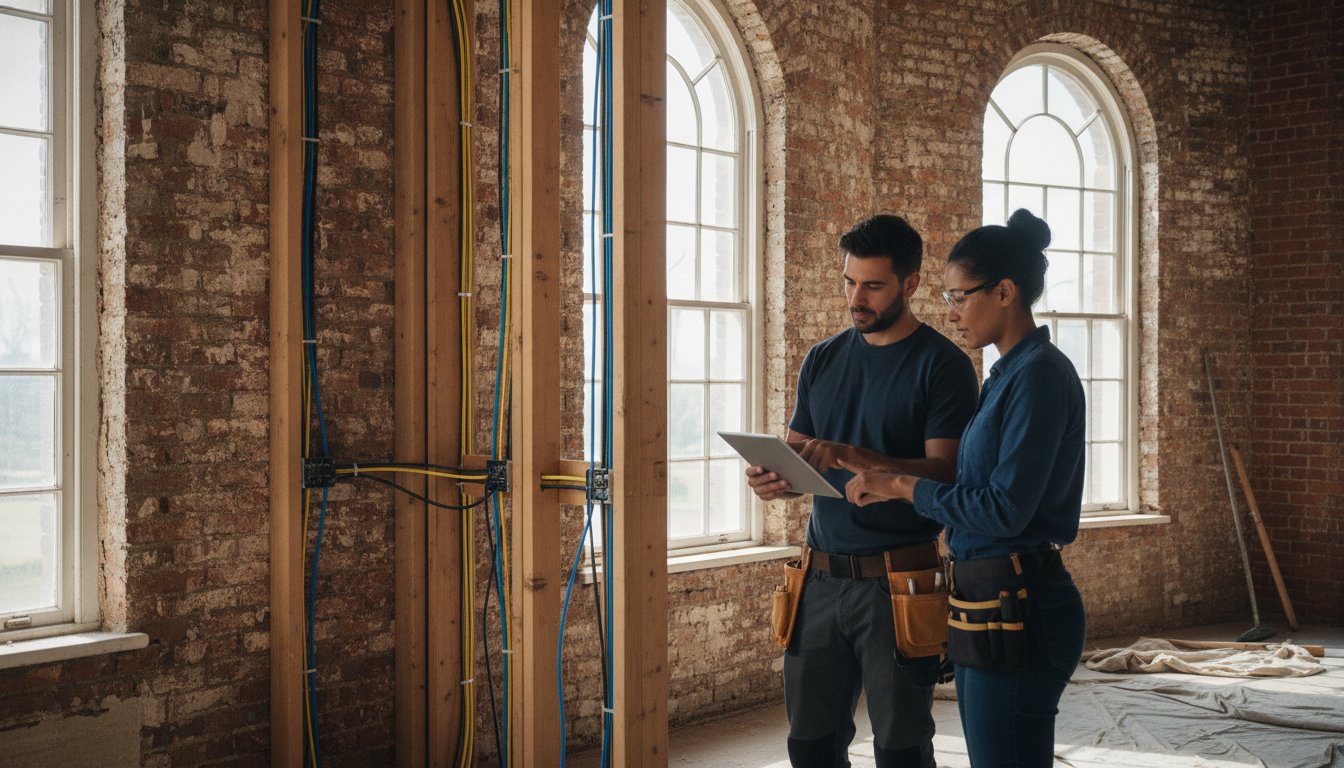
Many homeowners view their renovation budget as a fixed ceiling rather than a flexible foundation. This is a primary error that can halt a project before it truly begins. A project without a 15% contingency buffer is a project waiting to stall. In Ottawa's 2026 market, material costs and structural surprises are realities that demand financial padding. When you begin The Process of Renovation, you aren't just paying for new finishes. You're investing in the resolution of existing structural issues that only become visible once the walls are opened. Avoiding common renovation mistakes starts with acknowledging that your "final" number needs a safety net to handle the unexpected.
Rushing the design phase is equally problematic. It's tempting to start demolition immediately to feel like progress is happening. However, skipping detailed planning leads to mid-project change orders. These adjustments are significantly more expensive than decisions made during the conceptual stage. You also need to consider your daily life. A kitchen renovation isn't just a construction zone; it's a disruption to your family's routine. Planning for temporary living arrangements or a makeshift meal station is a logistical necessity, not an afterthought. Underestimating the timeline for material procurement in 2026 is another frequent hurdle. High-demand items now require longer lead times, and starting work before materials are secured often leads to weeks of inactivity.
Setting a Realistic 2026 Renovation Budget
A professional estimate should be transparent and comprehensive. It must account for labor and high-quality materials, but it also needs to include administrative fees like City of Ottawa permit costs. We ensure that site clearing and debris removal are factored in early. This prevents the "sticker shock" that occurs when waste management costs appear on the final bill. When setting your budget, follow these steps:
- Distinguish Priorities: Identify "must-haves," such as structural integrity and safety, versus "nice-to-haves," like premium hardware.
- Account for Admin: Include the cost of permits and professional inspections.
- Plan for Disposal: Factor in the specialized handling of old materials and general junk removal.
The Pre-Renovation Checklist
Before any tools touch your home, document the existing conditions thoroughly. Take photos of every corner and note the location of utilities. This documentation serves as a baseline for your contractor and your insurance. You should also verify the availability of specific high-quality materials to avoid mid-project delays. For a deeper look at the local landscape, consult our Home Renovation Ottawa guide. This proactive approach ensures you're avoiding common renovation mistakes that stem from a lack of foresight. Verification of material availability before the first sledgehammer swing is the difference between a three-week project and a three-month delay.
Overlooking the Invisible: Asbestos, Mold, and Structural Safety
Aesthetics often dominate the conversation when planning a home improvement project. However, focusing solely on cabinet finishes or flooring types is a significant oversight. In many of Ottawa’s established neighborhoods, the age of the housing stock presents hidden challenges that require professional attention. Avoiding common renovation mistakes means looking behind the drywall before the first sledgehammer swings. Disturbing older building materials without a proper assessment can release hazardous particulates into your living space. This risk is especially high in homes built before the mid-1980s, where lead paint and asbestos were industry standards.
The health implications of DIY demolition in these environments are severe. As of July 1, 2026, stricter provincial regulations under O. Reg. 115/26 mandate higher safety standards for handling hazardous materials. It is illegal for homeowners in Ottawa to perform their own asbestos abatement. Beyond the legalities, ignoring these substances or failing to address mold during the gutting phase leads to massive long term costs. Mold spreads rapidly once moisture is introduced to a construction site. If you seal a new wall over an existing mold colony, you're merely masking a problem that will eventually compromise your air quality and structural integrity. Following Consumer Protection Ontario renovation tips helps ensure you hire experts who prioritize safety over speed.
Professional Asbestos and Mold Remediation
Safe remediation involves more than just wearing a mask. It requires a sophisticated containment process using negative air pressure and HEPA filtration to prevent cross contamination. When you invest in professional Asbestos Removal in Ottawa, you're also protecting your property's future resale value. Buyers in 2026 are increasingly diligent about home inspections. Having certified documentation that your home is clear of hazardous materials is a powerful asset during a sale. Avoiding common renovation mistakes includes verifying that your contractor follows the updated 2026 respirator standards for all abatement work.
The Dangers of Improper Demolition
Demolition should be a controlled deconstruction rather than a "smash and dash" event. Uncontrolled demolition can damage load-bearing structures or sever active utility lines, leading to immediate safety hazards. We utilize specialized equipment to ensure that interior remodeling stays within the planned scope. This methodical approach protects the "bones" of the house, which are far more critical to your home's longevity than any cosmetic upgrade. If you are unsure about the safety of your current walls, it is wise to consult with a team experienced in professional demolition and remediation before proceeding. This ensures your site remains safe for both the crew and your family throughout the project duration.
The Cheapest Quote Trap: Choosing the Right General Contractor
Receiving multiple estimates for a project often reveals a wide range of pricing. It's tempting to select the lowest bid to save on costs, but this is frequently a gateway to significant complications. A low-ball quote often masks hidden fees, a lack of proper insurance, or an intent to use inferior materials. Avoiding common renovation mistakes requires you to look beyond the bottom line and evaluate the value of professional oversight. When a price seems too good to be true, it's usually because the contractor is cutting corners on safety protocols or administrative requirements that protect you as a property owner.
There's a fundamental difference between a local handyman and a licensed general contractor. While a handyman is suitable for minor repairs, a complex renovation involves structural changes, specialized trades, and strict adherence to the 2024 Ontario Building Code. A professional general contractor manages the entire ecosystem of your project, from demolition to final inspection. They possess the technical authority to handle unforeseen challenges, such as identifying lead paint or managing complex structural loads. Choosing an established partner with 25 plus years of industry experience ensures that your project is backed by a proven local reputation and a deep understanding of Ottawa's specific regulatory environment.
Vetting Your Ottawa Renovation Partner
Due diligence is your best defense against project failure. You must verify that any contractor you consider carries WSIB compliance and substantial liability insurance specifically for Ontario. These aren't optional extras; they're essential protections that shield you from financial responsibility in the event of a site accident. Ask to see a portfolio of completed local projects in Ottawa. A reputable firm will proudly showcase their craftsmanship in neighborhoods like Westboro, Kanata, or Orléans. For a detailed roadmap on this process, see our guide on Hiring a General Contractor in Ottawa. If a contractor refuses to sign a detailed contract or asks for a large cash deposit upfront, consider these major red flags.
Understanding Project-Based Fees
Transparency in pricing builds the foundation of a successful partnership. A fixed-price contract for project management provides peace of mind by defining the scope and cost before work begins. This agreement should clearly outline what's included, such as specialized labor, high-quality materials, and professional disposal for junk removal. When you understand the breakdown of fees, you can see that a higher quote often reflects a commitment to unwavering quality and site safety. This organized approach is a cornerstone of avoiding common renovation mistakes. It ensures that progress is constant and that the final result adds genuine, long-term value to your property.

Navigating the Red Tape: Permits and Regulations in Ottawa
Ignoring the legal requirements of the City of Ottawa is a risk that few property owners can afford. Avoiding common renovation mistakes requires a proactive approach to municipal compliance. As of January 1, 2026, building permit fees for alterations and renovations are set at $12.75 per $1,000 of construction value. While this might seem like an added expense, the cost of proceeding without a permit is far higher. Unpermitted work can lead to immediate work-stop orders, significant fines, and the potential requirement to tear down completed structures. We ensure that every project we manage begins with the correct legal framework to protect your investment.
The impact of unpermitted work extends well beyond the construction phase. In the 2026 real estate market, buyers and home inspectors are increasingly diligent about verifying that all major improvements were legally documented. If you've made structural changes or added a secondary suite without a permit, it can derail a future home sale or lead to insurance claim denials. Zoning bylaws also vary significantly across the region. A project that's permissible in a downtown heritage district may face different setback or density requirements in Kanata or Nepean. Understanding these nuances is critical for maintaining your property's legal standing and ensuring avoiding common renovation mistakes that could haunt you years later.
Ottawa Building Permits and BCIN Requirements
Certain projects require more than just a permit application; they require a Building Code Identification Number (BCIN). As of March 30, 2026, all permit applications must align with the 2024 Building Code. A BCIN is typically necessary for structural designs or when modifying a building's shell. We manage the entire application process on your behalf, ensuring that all drawings and specifications meet provincial standards. This professional oversight eliminates the stress of navigating city hall and ensures your project starts on a solid legal foundation. Our team handles the technical documentation so you can focus on the vision for your space.
Outdoor Renovations: Fences and Decks
Outdoor projects are frequently underestimated regarding permit needs. In Ottawa, decks higher than 24 inches above grade or those attached to the house generally require a building permit. Setback rules also dictate how close a structure can be to your property line. Professional installation ensures that your structural framing meets code, protecting both your safety and your investment. For those looking to enhance their yard, consulting with Expert Deck Builders in Ottawa ensures that your custom outdoor space is fully compliant with 2026 bylaws. If you're ready to start your project with the confidence that every legal detail is covered, contact our team today for a professional permit assessment.
From Demolition to Completion: Ensuring a Stress-Free Renovation
The final phase of a project is often where the most stress occurs, yet it's also where the vision truly comes to life. A successful transition from demolition to completion depends entirely on the strength of your communication plan. Avoiding common renovation mistakes in this stage requires a dedicated project manager who provides daily updates and manages logistical hurdles in real-time. Without a clear line of contact, small misunderstandings regarding finishes or schedules can escalate into significant delays. We prioritize a proactive dialogue to ensure you're never left wondering about the status of your home.
Managing expectations is equally vital. Renovations are inherently messy and loud. While we employ advanced dust suppression and site protection techniques, a certain level of disruption is unavoidable. A professional contractor prepares you for these realities rather than downplaying them. We establish clear boundaries for work hours and noise levels to respect your neighbors and your family's routine. This transparency is a hallmark of an organized project, ensuring that progress remains steady and the atmosphere remains professional. Avoiding common renovation mistakes includes acknowledging the lifestyle impact of construction and planning accordingly.
The final step of a quality job is professional site clearing. A renovation isn't finished until the site is pristine and all construction debris has been removed through dedicated junk removal services. Once the space is clear, the final walkthrough begins. This is your opportunity to ensure every detail meets high standards. We use this time to verify that every cabinet door, light fixture, and trim piece aligns with the original creative vision. This methodical review process guarantees that the work is not just done, but done correctly, providing you with the peace of mind that your investment is secure.
The HMJ Contracting Approach to Excellence
We leverage 25 plus years of experience to deliver safe and reliable results for every client in the Ottawa area. Our commitment to transparency starts with the first quote and continues until the final nail is driven. We understand the complexities of local residential and commercial buildings. Because we handle hazardous materials safely, including professional mold remediation and asbestos removal, you don't have to worry about the invisible risks often found in older properties. Our team acts as a creative partner, elevating your project through technical skill and unwavering quality.
Your Next Steps for a Successful Remodel
Taking the first step toward a safe and beautiful home shouldn't be overwhelming. We invite you to book a consultation for your residential or commercial project to discuss your goals and budget. If you suspect your property contains older building materials, request a professional site assessment for asbestos or mold before you begin any demolition. This proactive measure ensures your project remains on track and within budget. Contact HMJ Contracting today for a transparent renovation quote and start your journey toward a simplified, ease-oriented home improvement experience.
Secure Your Property’s Future with Expert Guidance
A successful home improvement project is defined by more than its final aesthetic. It's built on a foundation of structural safety, legal compliance, and financial foresight. By prioritizing a realistic contingency budget and navigating the City of Ottawa’s permit requirements, you protect your home’s value and your family’s peace of mind. Successfully avoiding common renovation mistakes requires a partner who understands the local landscape and the specific hazards found in older neighborhoods. From identifying hidden mold to ensuring your new deck meets 2026 safety standards, every detail contributes to the longevity of your investment.
HMJ Contracting INC brings over 25 years of local Ottawa experience to every project. Our team consists of certified asbestos and mold remediation specialists dedicated to maintaining a safe work environment. We provide transparent, fixed-price renovation contracts that eliminate the uncertainty of hidden fees. When you choose an established partner, you're choosing a steady guide through the complexities of demolition and construction. Start Your Ottawa Renovation with a Trusted Expert and experience a simplified path to your property's realization. We look forward to helping you build a space that stands the test of time.
Frequently Asked Questions
Is it a mistake to do my own demolition to save money?
Performing your own demolition is often a mistake due to the hidden risks in Ottawa’s older housing stock. While it seems like a way to save, you risk disturbing hazardous materials like asbestos or lead paint. Professional demolition ensures that structural supports remain intact and that debris is managed through proper junk removal channels. This methodical approach prevents accidental damage to plumbing or electrical systems that would cost more to repair later.
What happens if I find mold or asbestos during a renovation?
You must stop all work immediately to prevent the spread of spores or fibers. In Ontario, homeowners are legally prohibited from removing asbestos themselves. You need to hire certified specialists for mold remediation or asbestos removal to ensure the site is contained under negative air pressure. Following the strict 2026 provincial regulations protects your family's health and ensures your renovation remains compliant with current safety standards.
Do I really need a permit for a simple basement renovation in Ottawa?
A permit is required for most basement projects, especially those involving new bedrooms, structural changes, or updated plumbing. The City of Ottawa requires these permits to verify that fire separations and emergency exits meet the 2026 Ontario Fire Code. Skipping this step can lead to fines or issues when you eventually sell the property. It is always safer to verify requirements with a licensed contractor before beginning work.
How much of a contingency fund should I actually have?
You should maintain a contingency fund of at least 15% of your total project estimate. This buffer covers unforeseen costs such as structural repairs or material price fluctuations in 2026. Without this financial cushion, a project can stall mid-construction when a hidden issue is discovered behind a wall. Proper budgeting is a core strategy for avoiding common renovation mistakes and ensuring a smooth path to completion.
Why shouldn’t I just pick the contractor with the lowest price?
The lowest price often reflects a lack of comprehensive insurance or a failure to account for necessary permits and disposal fees. Professional general contracting requires significant overhead for WSIB compliance and liability coverage. Choosing a contractor based solely on price increases the risk of poor craftsmanship and project delays. A transparent, fixed-price contract from an established firm provides much better long-term value and protection for your property.
How long does a typical kitchen or bathroom renovation take in 2026?
Most kitchen or bathroom renovations require four to eight weeks once on-site work begins. This timeline depends on the complexity of the design and the availability of high-end materials. In 2026, securing specialized cabinetry or fixtures before demolition starts is essential to prevent dead time during the project. An organized project manager will provide a detailed schedule to keep the workflow steady and minimize the disruption to your daily life.
What are the risks of ignoring structural issues for aesthetic upgrades?
Prioritizing cosmetics over structural integrity is a dangerous gamble. If your foundation or load-bearing walls are compromised, new finishes like tile or cabinetry will eventually crack or shift. Addressing the "bones" of the house first ensures that your aesthetic investments are supported by a stable environment. A professional assessment identifies these issues early, allowing you to allocate funds toward permanent solutions rather than temporary visual fixes as a way of avoiding common renovation mistakes.