
Imagine the dust has finally settled on your demolition day, only for a City of Ottawa inspector to knock on your door with a stop-work order because you lacked the proper paperwork. It's a common nightmare that stalls your vision and drains your budget before the first cabinet arrives. Securing the kitchen renovation permits Ottawa homeowners need doesn't have to be a source of anxiety. You likely already know that navigating municipal bureaucracy feels like a full-time job, especially when you're managing the emotional weight of a major home investment.
We'll help you move forward with quiet confidence by demystifying the City's requirements for 2026. This guide provides a clear roadmap to the latest regulations, including the new C$12.75 per C$1,000 construction value fee and the 1.9% ESA fee increase that took effect on April 1, 2026. You'll learn exactly which structural changes require a permit, how to handle the 2.4% TSSA fee hike for gas lines, and how to ensure your project meets the 2026 Ontario Building Code's strict energy efficiency standards. By the end, you'll have a professional checklist to keep your renovation on track and your equity protected.
Key Takeaways
- Identify which structural and plumbing modifications, such as moving walls or adding pot fillers, trigger mandatory permit requirements in Ottawa.
- Learn how to navigate the City’s digital portal and budget for the 2026 fee structure for kitchen renovation permits Ottawa.
- Recognize why homeowners with pre-1990 properties must conduct hazardous material surveys before starting demolition to address potential asbestos or lead.
- Understand the impact of the 2026 Ontario Building Code updates on your project's energy efficiency and safety compliance standards.
- Discover how a professional design-build partner manages the technical red tape, including BCIN requirements and inspections, for a seamless experience.
Understanding the Ottawa Kitchen Permit Landscape in 2026
A building permit is formal permission from the City of Ottawa to begin construction. It serves as a legal seal of approval, confirming that your plans meet provincial health, safety, and structural standards. In 2026, the City has significantly increased oversight on residential mechanical systems. This shift ensures that modern, high-efficiency kitchens don't compromise the safety of Ottawa's diverse housing stock. The Ontario Building Code (OBC) carries immense legal weight. It governs everything from the span of your floor joists to the ventilation of your stove. Understanding Building Permits is the first step toward a successful, compliant remodel.
Skipping the paperwork creates long-term financial risks. Unpermitted work is a massive red flag for Ottawa real estate lawyers and home inspectors. If you try to sell a home with a "phantom" kitchen that doesn't match City records, the buyer's lawyer may demand a holdback of funds or require a retroactive permit. This often involves tearing open finished drywall to show inspectors the hidden plumbing and electrical work. Securing the kitchen renovation permits Ottawa requires protects your equity and ensures a smooth transaction when it's time to move. You can find more resources on local project standards at HMJ Contracting’s blog.
Why 'Cosmetic' Doesn't Always Mean 'Permit-Free'
The myth of the "simple cabinet swap" often leads to legal trouble. If you replace lightweight laminate with heavy quartz or granite, the increased dead load on your floor joists might require structural reinforcement. Ottawa's "Same Size and Footprint" rule is a common point of confusion. You don't usually need a permit to swap a faucet in the same spot. However, relocating a sink or adding a dishwasher where one didn't exist before triggers a plumbing permit. Additionally, changing a kitchen window or door always requires City approval because it alters the building's structural headers and exterior envelope.
Zoning and Heritage Considerations in Ottawa
Special rules apply to historic neighborhoods like Westboro, The Glebe, and Rockcliffe Park. If your home falls under a heritage designation, even interior kitchen layouts may be subject to review if they impact the building's character. Zoning bylaws also play a critical role if you're planning a secondary suite or "granny flat." These projects require specific fire separations and exit requirements that go beyond a standard kitchen refresh. We recommend checking your property's specific zoning overlay before finalizing any design drawings.
Structural vs. Cosmetic: What Triggers a Permit in Ottawa?
Distinguishing between a simple refresh and a regulated renovation is the first step in protecting your home investment. While you don't need a permit to paint your walls, the line is drawn as soon as you alter the building's systems or structure. Many homeowners mistakenly believe that only load-bearing walls require oversight. In reality, moving or removing any wall triggers the need for kitchen renovation permits Ottawa officials to review. This ensures that any electrical rerouting or HVAC adjustments hidden inside those walls meet the 2026 safety standards.
Alterations to your home’s "envelope" also require formal approval. If your vision includes enlarging a window for a better view of the backyard or adding a new exterior door, you must obtain a permit. These changes impact the structural headers and insulation values of your exterior walls. Similarly, mechanical upgrades like installing new range hood venting or electric radiant floor heating are not considered purely cosmetic. If your project involves relocating gas lines for a professional-grade stove, you'll need a TSSA permit, which saw a 2.4% fee increase on May 1, 2026. For a clear understanding of these requirements, consult the City of Ottawa Building Permit Portal.
The 'No-Permit' Zone: What You Can Do Freely
You can perform several aesthetic upgrades without municipal intervention. Replacing floor coverings like tile, hardwood, or laminate is permit-free as long as you aren't altering the subfloor structure. You can also install new bespoke countertops or backsplashes on your existing cabinetry. Minor trim work, wallpapering, and painting are entirely at your discretion. Even swapping a light fixture or a sink faucet is allowed without a permit, provided the new item stays in the exact same location as the old one.
Plumbing and Electrical: The Hidden Triggers
Relocating a sink or adding a dishwasher involves more than just a call to a plumber. The City of Ottawa requires a separate plumbing permit for any drain or supply line relocations, with typical costs ranging from C$150 to C$600. Electrical work falls under the Electrical Safety Authority (ESA). On April 1, 2026, the ESA implemented a 1.9% fee increase for wiring and licensing. Even the popular "open concept" layout is a trap for the unwary. Removing a non-load-bearing wall still requires a permit because it almost always involves rerouting live electrical circuits. If you feel overwhelmed by these technical requirements, a professional renovation partner can manage these filings on your behalf.

The Ottawa Permit Application Process & 2026 Fees
The City of Ottawa has fully transitioned to a digital-first application model through the My ServiceOttawa portal. This platform streamlines the submission of kitchen renovation permits Ottawa homeowners need to stay compliant. You no longer have to visit Ben Franklin Place in person to drop off rolls of blueprints. Instead, you'll upload high-resolution PDF versions of your site plans, floor plans, and detailed cross-section drawings. These documents must clearly illustrate your project's scope, including structural supports and mechanical layouts, to ensure they meet the latest provincial standards.
Wait times for residential "Small Project" reviews currently average 10 to 15 business days. This timeline assumes your documentation is complete and accurate upon submission. Any missing details or vague drawings will trigger a "Request for Information," which resets your waiting period. While the City reviews your structural plans, you must also secure an Electrical Safety Authority (ESA) Permit for all wiring and lighting changes. Remember that the building permit and the electrical notification are two distinct processes handled by different governing bodies.
Navigating the 2026 Fee Structure
Effective January 1, 2026, the City updated its Comprehensive Building Code Fee Schedule. The fee for renovations is calculated at a rate of C$12.75 per C$1,000 of construction value. This value includes both the cost of materials and the fair market value of labor. The minimum application fee is now set at C$117. If your kitchen remodel is part of a larger structural addition, you might consider "Phased Permits." This approach allows you to begin foundation or structural work while the final interior kitchen details are still being refined. You can find more tips on budgeting for these requirements at HMJ Contracting’s blog.
Mandatory Inspections During Construction
Securing the permit is only the first half of the process. You must schedule specific inspections to keep the file in good standing. The "Rough-In" inspection is the most critical. It happens after the framing, plumbing, and electrical work are finished but before the drywall is installed. The inspector needs to verify the integrity of the work hidden behind your walls. Following this, you'll need an inspection for insulation and vapor barriers, especially on exterior kitchen walls, to meet the 2026 energy efficiency standards. The process concludes with a Final Inspection. Once approved, the City closes your file and issues an occupancy permit, ensuring your investment is fully documented and legal.
Demolition and Hazardous Materials: The Hidden Permit Layer
Older Ottawa neighborhoods like The Glebe and Rockcliffe Park are filled with character, but they also hide structural and environmental challenges. If your home was built before 1990, the City requires a mandatory hazardous material survey before any significant demolition begins. This is a critical step in securing the kitchen renovation permits Ottawa officials will approve. Asbestos is frequently found in mid-century drywall compound, vinyl floor tiles, and pipe insulation. You cannot simply toss these materials into a standard bin. The City links demolition permits directly to safe disposal requirements, ensuring that hazardous waste is tracked and handled by certified professionals. Learn more about safe asbestos removal in Ottawa to understand how we protect your family during this phase.
Demolition is a controlled process, not a destructive one. When we strip a kitchen back to the studs, we're looking for hidden issues that could derail your 2026 timeline. This includes checking for outdated "knob and tube" wiring or galvanized plumbing that no longer meets the Ontario Building Code. By identifying these issues during the permitted demolition phase, we prevent costly "change orders" later in the project. Our team handles the logistical burden of coordinating with waste management facilities that are licensed to accept construction debris from the Ottawa region.
Preparing for Interior Demolition
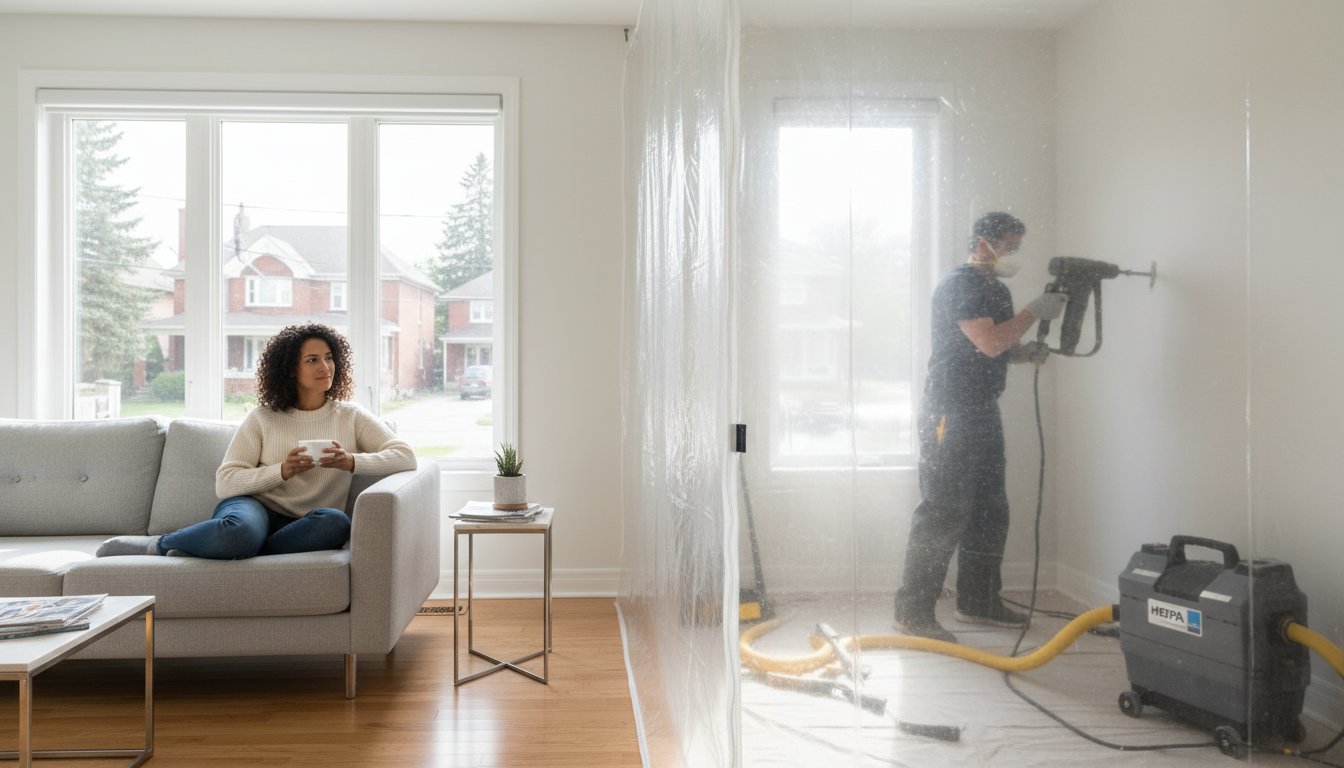
Preparing for interior demolition involves more than just clearing out the pantry. In residential settings, we implement strict dust containment and air quality monitoring to prevent particulates from migrating to the rest of your home. If your kitchen remodel involves removing a load-bearing wall, the City requires a professional engineer to submit a 'Schedule B' form. This document guarantees that the temporary shoring and permanent structural replacements are safe. How to prepare your home for interior demolition provides a deeper look at the logistical steps involved in a safe teardown.
Lead Paint and Mold Remediation
Heritage homes often present the added challenge of lead-based paint on original kitchen trim and window frames. While beautiful, these features require meticulous handling to avoid toxic dust. Similarly, many Ottawa homeowners discover hidden mold behind old cabinetry or under leaking sinks once the demolition begins. These environmental hazards must be addressed immediately. Certified remediation is a prerequisite for your building permit to be 'signed off' by a City inspector. We ensure every trace of mold or lead is removed according to provincial regulations. If you suspect your kitchen contains hazardous materials, contact our remediation team for a professional assessment.
HMJ Contracting: Your Partner for Stress-Free Ottawa Renovations
We've spent over 25 years navigating the intricacies of City of Ottawa Building Code Services. This deep local experience means we understand the specific nuances of every neighborhood, from the heritage requirements in The Glebe to the modern standards in Kanata. Our 'Design-Build' approach isn't just a service model; it's a commitment to your peace of mind. We handle every detail of the administrative red tape, including the technical drawings and the specific kitchen renovation permits Ottawa mandates for structural and mechanical changes. You don't have to worry about the 2026 fee calculations or digital portal submissions because our team manages the entire process from start to finish.
Transparency is the cornerstone of our business. We provide clear, declarative project timelines and a comprehensive breakdown of costs. There are no hidden fees or unexpected surprises halfway through your demolition. Safety remains our absolute priority; we are fully insured and WSIB-compliant. This creates an atmosphere of stability for our clients, knowing their significant financial and emotional investment is in capable, protected hands. We act as the proactive driving force behind your project's success, ensuring that every meticulous detail aligns with your original vision and the latest 2026 safety standards.
The BCIN Advantage
A Building Code Identification Number (BCIN) is a mandatory requirement for anyone providing design services in Ontario. The City of Ottawa requires this certification to ensure that your kitchen's structural and mechanical plans meet provincial safety standards. Our certified team possesses the technical authority to stamp your drawings, which significantly reduces the risk of municipal rejections. We ensure your plans pass the first review without the need for costly revisions or delays. For more advice on selecting the right partner, read our guide on hiring a general contractor in Ottawa: What to look for.
Start Your Kitchen Vision Today
Our process is methodical and proven, moving from an initial envisioning session to the final walkthrough. We bridge the gap between aspirational lifestyle design and the grounded reality of construction logistics. Quality craftsmanship and regulatory compliance go hand-in-hand in every bespoke project we undertake. Whether we're managing lead paint removal in a heritage home or installing energy-efficient systems to meet the 2026 Ontario Building Code, we deliver quality without compromise. Your transformative project starts with a professional handshake and a commitment to excellence. Contact HMJ Contracting for a seamless kitchen renovation and let's begin your home's next chapter today.
Secure Your Home Investment with Professional Oversight
A successful remodel balances your creative vision with the technical requirements of the Ontario Building Code. You now understand how the 2026 fee structure and the mandatory hazardous material surveys for pre-1990 homes protect your property's long-term value. Navigating the complexities of kitchen renovation permits Ottawa requires doesn't have to be a burden on your time or budget. By identifying structural triggers early and coordinating with BCIN-certified experts, you ensure your project remains on schedule and fully compliant with municipal law.
At HMJ Contracting, we bring over 25 years of Ottawa experience and an A+ rating for local reliability to every project. Our BCIN-certified design partners handle the technical filings so you can focus on the transformative results of your new space. We provide the stability and expertise needed to manage everything from asbestos remediation to the final occupancy inspection. Ready to build your dream kitchen? Contact HMJ Contracting for a stress-free, permitted renovation today. Your home is an investment built to last for generations, and we're here to ensure it's handled with meticulous care.
Frequently Asked Questions
Can I apply for a kitchen permit myself or does my contractor have to do it?
You can apply for the permit as the property owner, but most homeowners prefer their contractor to manage the submission. When you apply yourself, you assume full legal responsibility for the accuracy of the technical drawings and compliance with the 2026 Ontario Building Code. Professional partners use their expertise to navigate the My ServiceOttawa portal and ensure all documentation is correct from the start.
How long is a building permit valid for in Ottawa once it's issued?
A building permit remains valid for six months from the date it's issued if construction hasn't started. Once your project begins, the permit stays active as long as the work continues at a steady pace. If construction stops for more than six months, the permit may expire, and you'll need to apply for a renewal to remain compliant with City regulations.
What happens if I start my kitchen renovation before the permit is approved?
Starting work without an approved permit is illegal and often results in a "Work Without Permit" penalty from the City. This fine typically doubles the original permit fee and can lead to a stop-work order. Inspectors may also require you to uncover finished work at your own expense to verify that the kitchen renovation permits Ottawa requires were actually followed during the hidden phases.
Is a permit required to finish a basement kitchen or 'in-law' suite?
Yes, any secondary dwelling unit or basement kitchen requires a mandatory building permit. These projects must meet specific fire separation, ceiling height, and exit requirements defined in the 2026 provincial standards. You must also ensure the project complies with local zoning bylaws to certify the space as a legal dwelling unit rather than just a renovation.
How much does a typical kitchen renovation permit cost in Ottawa in 2026?
The building permit fee is calculated at C$12.75 for every C$1,000 of construction value, with a minimum fee of C$117. For a standard residential kitchen, building permit costs usually range from C$200 to C$800. You should also budget for separate plumbing permits, which typically cost between C$150 and C$600, and ESA electrical fees which increased by 1.9% on April 1, 2026.
Do I need a permit to just replace my kitchen cabinets in the same location?
No, you don't need a permit for a "like-for-like" cabinet replacement if the layout remains identical. This is considered a cosmetic update and doesn't trigger municipal oversight. However, if your vision involves moving the sink or stove, you'll need the kitchen renovation permits Ottawa mandates for plumbing and electrical modifications to ensure the new connections are safe and legal.
Will my property taxes go up if I get a permit for my kitchen remodel?
Improvements that increase the market value of your home can lead to a reassessment by the Municipal Property Assessment Corporation (MPAC). While minor cosmetic refreshes rarely impact your taxes, a full structural remodel or the addition of a secondary suite often increases the assessed value. This adjustment reflects the added equity in your home and may result in a proportional change to your annual property tax.
Does the City of Ottawa require an engineer for all wall removals?
The City requires a professional engineer's sign-off only for the removal of load-bearing walls. If you're removing a simple partition wall that doesn't support the weight of the floor or roof above, drawings from a BCIN-certified designer are usually sufficient. For any structural changes, the engineer must provide a 'Schedule B' form to guarantee the safety of the temporary shoring and permanent beams.