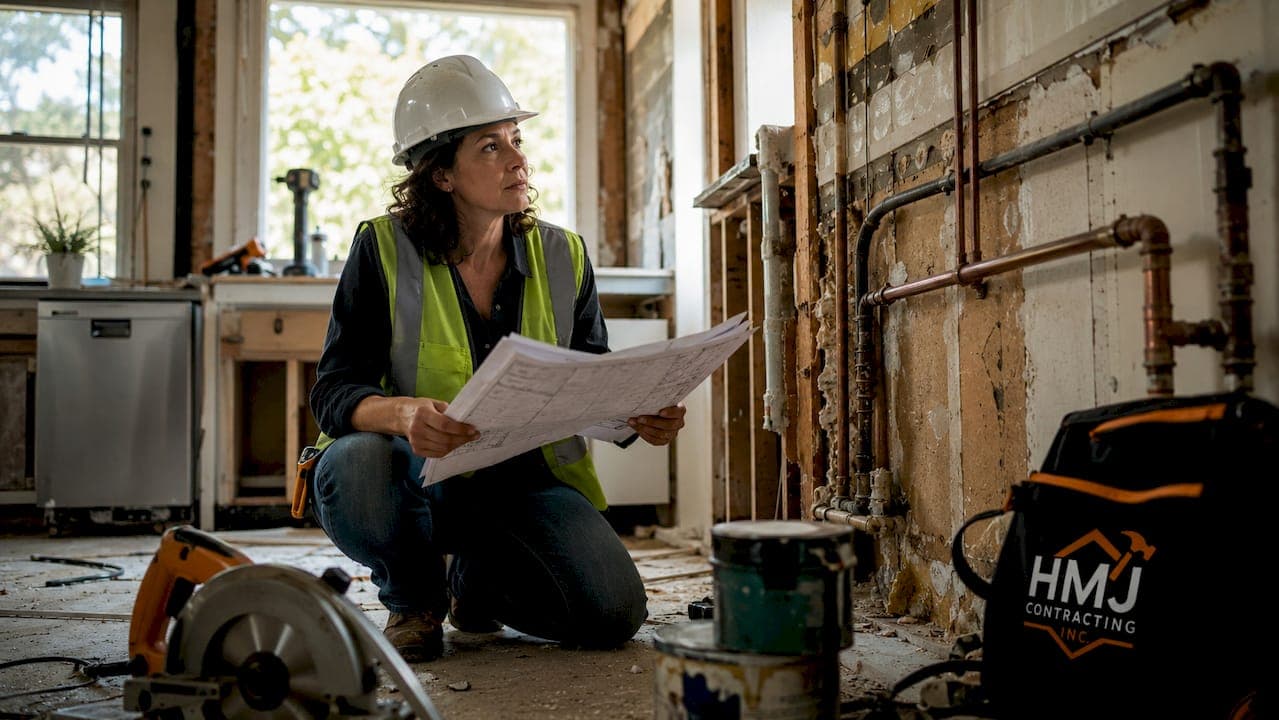
Unexpected renovation discoveries are defined as unforeseen conditions found during demolition or construction that were not visible before work began. They range from hazardous materials like asbestos and lead paint to hidden structural damage, buried artefacts, and even ancestral remains. For Canadian homeowners, these surprises can add thousands of dollars to a budget, delay permits, and trigger legal obligations under provincial regulations. Knowing the most common examples of unexpected renovation discoveries before you break ground is the single most effective way to protect your schedule, your wallet, and your health.
1. What are examples of unexpected renovation discoveries?
Renovation surprises fall into four broad categories: hazardous materials, moisture and mould, structural defects, and historical finds. Each carries a different level of risk and a different response requirement.
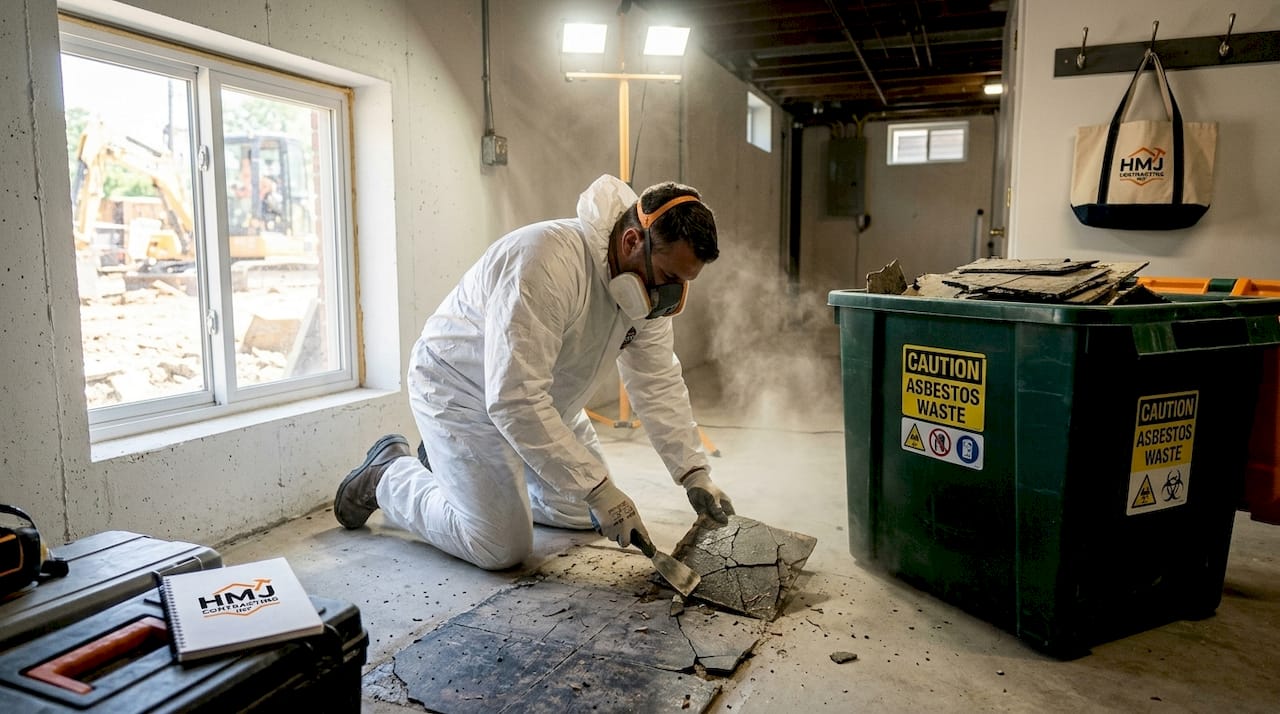
Hazardous materials are the most regulated category. Homes built before 1990 commonly contain asbestos in floor tiles, pipe insulation, and drywall compound. Lead paint appears on trim, doors, and window frames. Vermiculite insulation in attics may contain naturally occurring asbestos fibres. Pre-disturbance testing is critical to avoid costly surprises and legal penalties.
Moisture and mould are the most common surprises in basements and bathrooms. Hidden moisture typically goes undetected until demolition reveals foundation cracks, disconnected vent hoses, or saturated framing. Mould follows moisture, and addressing only the visible mould without fixing the source guarantees a repeat problem.
Structural defects include undersized beams, missing headers above windows, and load-bearing walls that were removed by previous owners without permits. These discoveries require an engineer's assessment before work can continue.
Historical finds are the most surprising category for most homeowners. Vintage artefacts like old newspapers, sports cards, and hand tools turn up inside wall cavities regularly. They pose no structural threat but offer a genuine connection to a home's past.
2. How hazardous materials affect your renovation legally
Ontario Regulation 278/05 requires a designated substance survey before any work that disturbs building materials in pre-1990 structures. Saskatchewan has similar requirements. These surveys identify asbestos, lead, silica, and other controlled substances before a single wall comes down.
The legal exposure for skipping this step is significant. Ontario law requires property owners to provide contractors with a written report listing all designated substances before work begins. If a worker is exposed to undisclosed hazardous materials, full liability falls on the property owner. That liability includes remediation costs, fines, and potential civil claims.
Pro Tip: If your home was built before 1990, budget for a designated substance survey as a fixed line item before you price any other part of the renovation. It typically costs a few hundred dollars and can save tens of thousands.
A real-world case from a Newmarket basement renovation illustrates the cost impact clearly. Asbestos tile mastic removal added 8 working days to the project schedule. That delay pushed back every subsequent trade, compounding costs well beyond the abatement fee itself.
Licensed professionals who follow documented procedures and obtain the correct permits minimise schedule disruptions when hazards are discovered. Cutting corners on this step does the opposite.
3. Dramatic and rare renovation surprises in Canada
Some renovation project surprises go far beyond a bag of old tiles. These cases are rare, but they illustrate the full range of what can happen when you open up an older property.
Ancestral Indigenous remains represent the most legally complex discovery a homeowner can make. One Ontario couple faced an estimated $319,000 investigation after remains were found on their property. The provincially mandated process involved a 27-day investigation with a six-person crew and Indigenous oversight. Work on the property stopped entirely until the investigation concluded.
Explosive artefacts are a genuine hazard in parts of Atlantic Canada and other historically active regions. The RCMP advises homeowners to never touch cannonballs or other potentially explosive objects found during renovations. The correct response is to secure the area and contact authorities immediately. Removal requires a specialized explosive disposal unit.
Hidden valuables occasionally surface during demolition. Gold coins, vintage jewellery, and sealed time capsules have been found inside wall cavities and under floorboards across Canada. These finds are exciting but can raise questions about ownership and reporting obligations depending on the province.
Unusual past construction is more common than most homeowners expect. Previous owners sometimes built additions without permits, used non-standard framing, or buried old fuel oil tanks in the backyard. Each of these discoveries triggers a separate compliance process.
4. Moisture and mould: the silent renovation surprise
Moisture is the most frequently encountered unforeseen remodelling surprise in Canadian basements and crawl spaces. It hides behind finished walls, under slab insulation, and inside duct systems until demolition exposes it.
Moisture sources like detached bathroom vent hoses and hairline foundation cracks typically become visible only during demolition. By that point, the surrounding framing and insulation may already be saturated. Remediation requires drying, mould treatment, and often structural repairs before new materials can go in.
Experts recommend addressing root causes of moisture during renovations rather than applying surface treatments. A coat of waterproofing paint over a cracked foundation wall is not a fix. The crack needs to be sealed from the exterior or injected with hydraulic cement before any interior finishing begins.
Mould found in HVAC vents during a renovation requires its own remediation process. Removing mould from vents involves more than wiping surfaces. Spores travel through ductwork and can contaminate finished areas of the home if the system runs during remediation.
5. Structural surprises that stop projects cold
Structural discoveries are the renovation horror stories that contractors talk about most. They are also the ones most likely to require an engineer's stamp before work can resume.
Missing or undersized headers above window and door openings are common in homes built before modern building codes. A previous owner may have added a window without understanding load transfer. The wall above that opening has been carrying load on inadequate framing for decades, and opening it up during a renovation makes the problem visible and urgent.
Load-bearing walls removed without permits appear in older homes across Canada. A homeowner or unlicensed contractor may have opened up a floor plan years ago by removing a wall that was carrying roof or floor loads. The structure above compensated by deflecting, and that deflection shows up as sloping floors or cracked ceilings in adjacent rooms.
Old fuel oil tanks buried in backyards or encased in basement slabs are a separate structural and environmental problem. Decommissioned tanks that were never properly emptied and sealed can leak petroleum into soil and groundwater. Remediation costs for a leaking buried tank can reach into the tens of thousands of dollars.
Pro Tip: Before any demolition, pull the permit history for your property at your local municipality. Unpermitted work shows up as gaps in the record and tells you exactly where to look for structural surprises.
6. Historical finds and what to do with them
Interesting renovation examples often include artefacts that tell the story of who lived in a home before you. These finds are genuinely exciting and rarely create legal problems, but they deserve a thoughtful response.
Vintage tools, newspapers, and sports cards found inside wall cavities offer insight into construction eras and the lives of previous owners. A newspaper used as insulation in a 1920s wall tells you when that wall was last opened. A child's report card tucked behind a baseboard tells you something more personal.
Unexpected renovation discoveries of this kind can actually influence restoration decisions. Finding original wallpaper patterns or period hardware inside a wall cavity gives you a reference point for historically accurate finishes. Some homeowners choose to preserve these finds as part of the home's story.
The situation changes when finds have potential cultural or legal significance. Provincial heritage legislation in Ontario, British Columbia, and other provinces requires homeowners to stop work and report discoveries of potential archaeological significance. Failing to report can result in fines and mandatory remediation at the owner's expense.
7. How to prepare for renovation surprises before they happen
Preparation is the most effective response to unforeseen remodelling surprises. The steps below apply to any renovation in a home built before 1990, and most apply to newer homes as well.
- Commission a designated substance survey. This is legally required in Ontario and Saskatchewan before disturbing materials in pre-1990 buildings. It identifies asbestos, lead, and other controlled substances before demolition begins.
- Pull all available permit history. Your municipality keeps records of permitted work. Gaps in the record indicate unpermitted additions or alterations that may hide structural problems.
- Budget a contingency of 15–20%. Renovation budgets without contingency funding collapse the moment a surprise appears. A contingency line gives you room to respond without stopping the project.
- Hire licensed professionals for abatement. Asbestos and lead removal require certified contractors. Signs you may need asbestos removal include crumbling floor tiles, damaged pipe insulation, and popcorn ceilings in pre-1990 homes.
- Engage a structural engineer early. If your renovation touches any wall that might be load-bearing, get an engineer's assessment before demolition. The cost is small compared to the cost of discovering a problem mid-project.
- Know the reporting rules for unusual finds. If you discover remains, explosive artefacts, or items of potential archaeological significance, stop work immediately and contact the appropriate authority. In Ontario, that is the Ministry of Citizenship and Multiculturalism for heritage matters and the RCMP for explosive devices.
- Document everything. Photograph all discoveries before disturbing them. Documentation protects you legally and helps contractors and inspectors understand the scope of the problem.
Key takeaways
Unexpected renovation discoveries are manageable when homeowners prepare with surveys, contingency budgets, and licensed professionals before demolition begins.
| Point | Details |
|---|---|
| Hazardous materials require surveys | Ontario Regulation 278/05 mandates designated substance surveys before disturbing pre-1990 building materials. |
| Moisture hides until demolition | Foundation cracks and disconnected vents cause mould that only becomes visible when walls come down. |
| Rare finds carry major costs | One Ontario case involving ancestral remains triggered a $319,000 mandated investigation. |
| Contingency budgets protect projects | A 15–20% contingency prevents a single surprise from halting the entire renovation. |
| Licensed abatement reduces liability | Property owners bear full legal liability for worker exposure to undisclosed hazardous materials. |
What I've learned after years of renovation surprises
Every renovation I have been involved with in Ottawa has produced at least one surprise. The homes that handled those surprises best had one thing in common: the homeowner had already accepted that something unexpected would happen. That mental shift changes everything.
The homeowners who struggle most are the ones who treated their budget and schedule as fixed. When asbestos tile mastic adds 8 working days to a basement project, a fixed-budget mindset turns that into a crisis. A contingency mindset turns it into a line item.
The other pattern I see consistently is homeowners underestimating the legal side of renovation surprises. Hazardous material liability is not theoretical. Ontario's rules are clear, and the cost of non-compliance is real. A designated substance survey before demolition is not bureaucratic overhead. It is the document that protects you if something goes wrong.
Historical finds are the one category where surprises are genuinely enjoyable. I have seen old newspapers, hand-forged nails, and even a child's drawing tucked inside a wall cavity. Those moments remind you that a house carries the history of everyone who lived in it. That is worth pausing for, even in the middle of a busy project.
The practical advice I give every homeowner is simple: plan for surprises, budget for them, and hire people who have seen them before. The building code compliance checklist is a good starting point for making sure your project is set up correctly from day one.
— Jason
When renovation surprises need professional help
Renovation surprises involving hazardous materials are not a DIY situation. Asbestos fibres and lead dust require certified removal procedures, proper containment, and legal disposal. Getting this wrong puts your family and your contractors at risk, and places full legal liability on you as the property owner.

Hmjcontracting provides certified hazardous material abatement for Ottawa homeowners dealing with asbestos, lead, mould, and other designated substances. Every project includes a detailed, itemized quote, full regulatory compliance, and a clean handoff to your renovation contractor. Hmjcontracting holds a perfect 5.0-star Google rating across hundreds of completed projects. If your renovation has uncovered something unexpected, the team at Hmjcontracting is ready to assess the situation and get your project back on track safely.
FAQ
What are the most common unexpected discoveries during home renovations?
Asbestos, lead paint, hidden mould, and structural defects are the most common renovation surprises in Canadian homes built before 1990. Moisture damage behind finished walls is the single most frequently reported find during basement renovations.
Is asbestos testing legally required before renovating in Ontario?
Yes. Ontario Regulation 278/05 requires a designated substance survey before any work that disturbs building materials in pre-1990 structures. Property owners must provide contractors with a written report before work begins.
What should I do if I find human remains during a renovation?
Stop all work immediately and contact local police. In Ontario, the Ministry of Citizenship and Multiculturalism oversees heritage and archaeological investigations. One Ontario case involving ancestral remains resulted in a mandated $319,000 investigation.
How much should I budget for unexpected renovation discoveries?
A contingency of 15–20% of your total renovation budget is the standard recommendation for older Canadian homes. Projects in pre-1990 homes should also include a fixed line item for a designated substance survey before demolition begins.
What happens if I find an explosive artefact during a renovation?
The RCMP advises homeowners to secure the area and contact authorities immediately. Never touch or move a suspected explosive object. Removal requires a specialized explosive disposal unit and cannot be handled by renovation contractors.