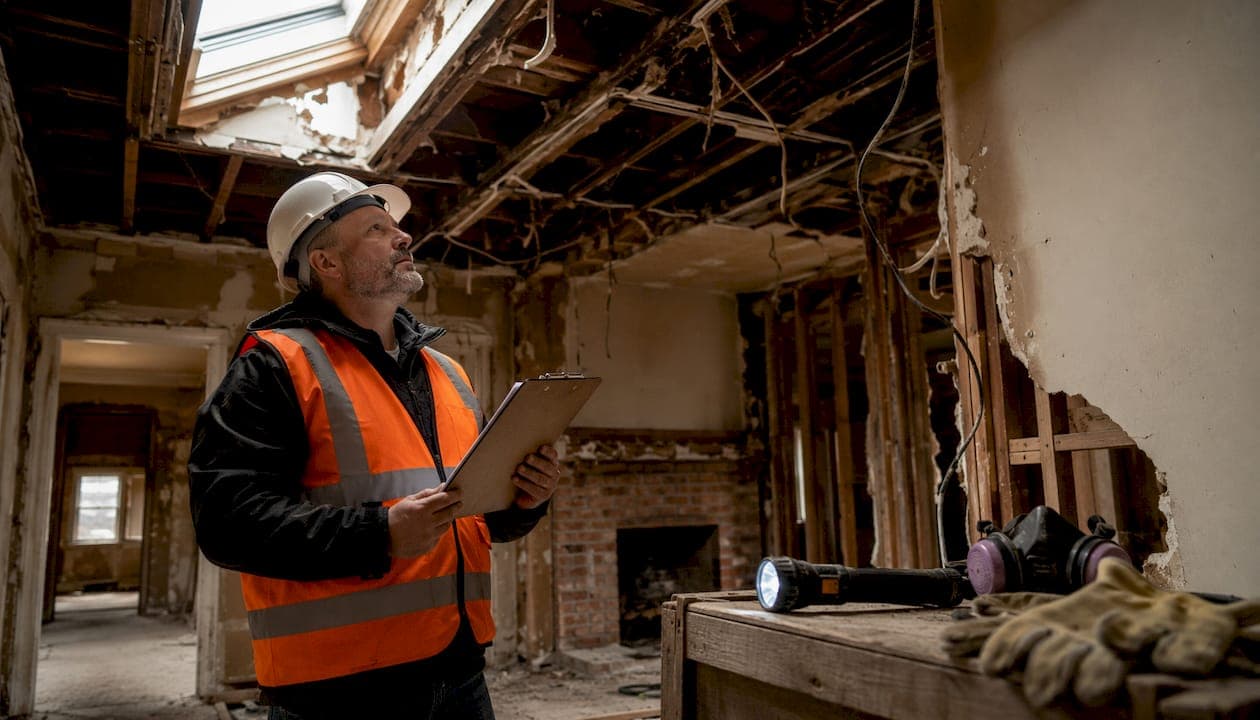
Older Canadian homes hide serious dangers behind their walls, under their floors, and above their ceilings. The types of hidden renovation hazards most commonly found include asbestos, mould, lead paint, radon, rotted structural members, outdated wiring, and chemical off-gassing from aged insulation materials. These are not cosmetic concerns. They carry real health consequences, legal liability, and the potential to derail your project entirely if discovered mid-demolition. Before any wall comes down, you need to know what you are dealing with.
Here is a quick overview of what older homes typically conceal:
- Asbestos in drywall compounds, floor tiles, pipe wrap, and insulation, particularly in homes built before 1990
- Mould behind walls and under flooring, caused by moisture intrusion from leaks, poor ventilation, or foundation cracks
- Lead-based paint on walls, trim, doors, and windows in homes built before 1991
- Radon gas seeping through foundations, especially in basements and ground-contact rooms
- Volatile organic compounds (VOCs) off-gassing from old finishes, adhesives, and composite materials
- Rotted joists and foundation cracks hidden behind finished surfaces
- Outdated electrical wiring posing fire risks, and deteriorated plumbing causing water damage
- Pest infestations that silently compromise structural components
- Chemical hazards from old insulation materials, including formaldehyde
A professional HAZMAT survey before demolition begins is the industry standard for identifying these risks. Hmjcontracting has been helping Ottawa homeowners navigate exactly these dangers for over 25 years, with licensed abatement services and full-service renovation expertise.
Table of Contents
- What environmental hazards are hiding in your older home's materials?
- How do lead paint, radon, and VOCs affect your health during renovations?
- What structural and systems hazards hide behind older walls?
- How should you safely manage hidden hazards during a renovation?
- Chemical hazards from old insulation materials
- Hidden fire hazards from old insulation and flammable materials
- Key takeaways
- Why renovation hazard management matters more than most homeowners realise
What environmental hazards are hiding in your older home's materials?
Asbestos is the most widely misunderstood hazard in Canadian renovations. Many homeowners assume it only affects homes from the early 1900s. In reality, asbestos was used in Canadian construction through the late 1980s, appearing in drywall compounds, floor tiles, insulation, roofing materials, and pipe wrap. A home built in 1985 with updated paint and modern fixtures can still contain asbestos in its underlying structure. You cannot identify it visually. Only laboratory testing gives a definitive answer.
Disturbing asbestos during drilling, sawing, sanding, or scraping releases microscopic fibres into the air. According to Health Canada, breathing in those fibres can cause lung cancer, asbestosis, and mesothelioma. There are no symptoms until the damage is done, sometimes decades later. That is why professional testing before any demolition is not optional.
Statistic callout: Health Canada identifies radon as the number one cause of lung cancer in non-smokers in Canada, making it one of the most dangerous hidden hazards in any renovation.
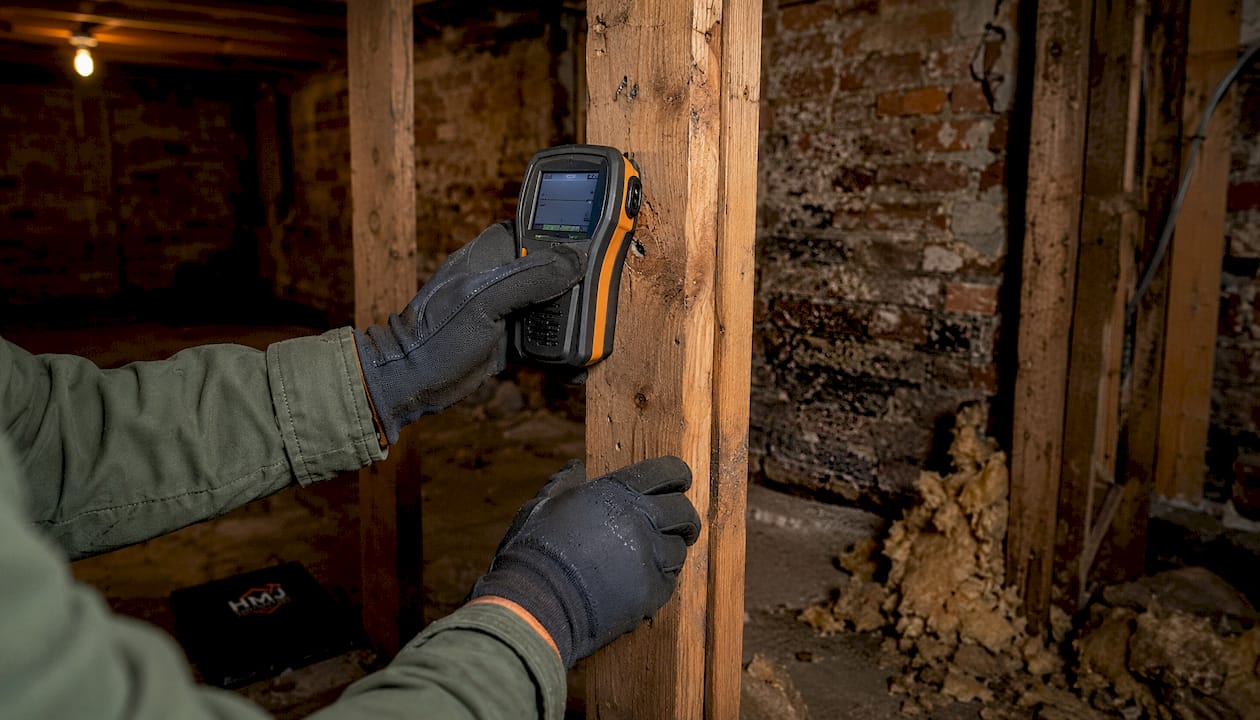
Mould is a symptom, not a standalone problem. It grows wherever moisture accumulates, whether from a leaking pipe, poor attic ventilation, or a foundation crack. Fixing the moisture source is the only way to prevent mould from returning after remediation. Simply replacing mould-damaged drywall without addressing the underlying leak is a temporary fix that will fail. Professionals use thermal imaging and moisture metres to locate hidden leaks behind walls before new finishes go in.
Common environmental hazards found during renovations of older Canadian homes:
- Asbestos in drywall compound, floor tiles, insulation, roofing, and pipe wrap
- Mould behind walls, under flooring, and in ceiling cavities
- Moisture damage from concealed leaks and inadequate drainage
- Polychlorinated biphenyls (PCBs) in older electrical equipment
- Mercury in fluorescent light bulbs and older thermostats
A HAZMAT survey report identifies the location, type, and quantity of hazardous materials before construction begins. Without one, you risk discovering these materials mid-project, triggering costly delays, stop-work orders, and emergency abatement costs.
How do lead paint, radon, and VOCs affect your health during renovations?
Lead-based paint is commonly found in Canadian homes built before the early 1990s. It poses little risk when left undisturbed, but sanding, scraping, or burning it during renovation releases toxic dust that is particularly dangerous for children and pregnant women. Lead affects the brain, nervous system, blood system, and kidneys, and even low-level exposure carries serious risk for young children whose bodies are still developing. Professional XRF testing is the reliable method for identifying lead paint without releasing dust. DIY sampling risks cross-contamination and inaccurate results.
Radon is a radioactive gas produced by the natural breakdown of uranium in soil and rock. It enters homes through foundation cracks and gaps, accumulating in basements and ground-contact rooms. Health Canada recommends a long-term radon test of at least three months, placing the detector in the lowest level of the home where occupants spend regular time. If your radon level is elevated, it is best to address it before or during renovations, since construction activity can change how air moves through the building.
VOCs are released by building materials including paint, varnish, glues, particle board, and composite flooring. Older homes often contain layers of these materials, and renovation disturbance can release concentrated amounts into the air. VOCs cause breathing problems, headaches, and irritation to the eyes, nose, and throat. Choosing products labelled "low VOC" for new finishes helps reduce ongoing exposure after the renovation is complete.
Key health risks from these hidden hazards:
- Lead dust: neurological damage, kidney harm, developmental delays in children
- Radon gas: elevated lung cancer risk, particularly with long-term basement exposure
- VOCs: respiratory irritation, headaches, and chronic indoor air quality problems
- Asbestos fibres: lung cancer, asbestosis, mesothelioma with prolonged exposure
- Mould spores: eye, nose, and throat irritation, worsened asthma symptoms
HEPA filtration and proper containment are not optional precautions during renovation work on older homes. A standard shop vacuum does not trap fine hazardous particles; it recirculates them. Professional setups use negative air pressure and physical barriers to keep contaminated dust within the work zone.
Pro Tip: After particularly dusty renovation work, change the filter in your furnace. Fine particles from disturbed materials can travel through your HVAC system and circulate throughout the home.
What structural and systems hazards hide behind older walls?
Structural problems in older homes rarely announce themselves. Rotted joists, cracked foundations, outdated wiring, and failing plumbing typically stay hidden until walls are opened, at which point the renovation scope and budget can change dramatically. These issues often remain undetected until demolition begins, which is why a professional inspection before work starts is worth every dollar.
Outdated electrical wiring is one of the most serious hidden fire hazards in older Canadian homes. Knob-and-tube wiring, common in homes built before the 1950s, was not designed to handle modern electrical loads. Aluminum wiring, used in many homes built in the 1960s and 1970s, can loosen at connections over time and create fire risks. Neither type is immediately visible without opening walls or inspecting the panel. You can learn more about renovation red flags in older houses that signal these kinds of problems before demolition begins.
Hidden plumbing hazards follow a similar pattern. Galvanized steel pipes corrode from the inside, restricting water flow and eventually leaking without visible external signs. Polybutylene pipes, installed in many Canadian homes between the 1970s and 1990s, are prone to cracking and failure. A slow leak behind a wall can feed mould growth for months before anyone notices. Pest infestations compound these problems: rodents and insects damage insulation, gnaw through wiring, and weaken structural members in ways that only become apparent when walls open.
Common hidden structural and systems hazards:
- Rotted joists and beams from long-term moisture exposure or pest damage
- Foundation cracks allowing water infiltration and radon entry
- Knob-and-tube or aluminum wiring with fire risk under modern loads
- Galvanized or polybutylene plumbing prone to leaks and failure
- Pest damage to structural framing, insulation, and wiring
- Inadequate load-bearing support from previous unpermitted renovations
A structural engineer's assessment is the appropriate tool for evaluating foundation and framing concerns. Municipal inspections confirm that electrical and plumbing work meets current code. Skipping these steps does not just create safety risks; it creates legal and insurance exposure that can follow a property for years.
How should you safely manage hidden hazards during a renovation?
The single most effective step you can take before any demolition is commissioning a professional hazardous materials survey. A HAZMAT survey identifies what is present, where it is located, and what abatement procedures are required before construction activities disturb those materials. Discovering asbestos or lead mid-project forces emergency containment, project delays, and unplanned costs that a pre-renovation survey would have avoided entirely.
Licensed abatement contractors are legally required for the removal of asbestos, large quantities of mould, and lead paint in most Canadian jurisdictions. This is not a cost-cutting opportunity. Improper disposal of hazardous renovation waste is illegal and carries severe fines alongside health risks for workers and residents. Asbestos waste requires double-bagging in 6-mil poly bags and transport to a licensed facility. Cutting corners on disposal creates liability that outlasts the renovation.
In Ontario, fines for unpermitted work can reach $50,000 for individuals under the Building Code Act. Courts have confirmed that homeowners cannot delegate permit responsibility to their contractor. If a permit was required and not obtained, the property owner bears the legal consequence, regardless of who did the work. Unpermitted renovations also risk insurance claim denials and costly retroactive requirements from municipalities. A building code compliance checklist is a practical starting point for understanding what your project requires.
Safe renovation practices for older homes:
- Commission a HAZMAT survey before any demolition or wall opening
- Hire licensed abatement professionals for asbestos, lead, and large mould remediation
- Use HEPA-filtered vacuums and negative air pressure containment during hazardous work
- Seal off work areas with plastic barriers to prevent dust migration
- Dispose of hazardous waste at licensed facilities following municipal guidelines
- Obtain all required building, electrical, and plumbing permits before work begins
- Request a third-party clearance test after abatement to confirm air safety
Pro Tip: As a property owner in Ontario, you hold ultimate legal responsibility for securing building permits, regardless of your contractor's role. Always verify permit status yourself and keep copies of all permits and final inspection certificates.
Hmjcontracting brings over 25 years of Ottawa renovation experience to exactly this kind of work. Their team handles licensed abatement alongside full-service renovation, so hazard removal and construction proceed on a coordinated timeline rather than as separate, disjointed projects.
Chemical hazards from old insulation materials
Formaldehyde is a VOC that deserves specific attention in older Canadian homes. It off-gasses from composite wood products including particle board, plywood, and urea-formaldehyde foam insulation, which was widely used in Canadian homes during the 1970s and 1980s. When renovation work disturbs these materials, formaldehyde is released into the air in concentrated amounts. Health Canada advises choosing composite wood products that meet established formaldehyde limits, identifiable by a "TSCA Title VI compliant" label, for any replacement materials.
Urea-formaldehyde foam insulation was injected into wall cavities of many Canadian homes as an energy retrofit during the 1970s. It can degrade over time, releasing formaldehyde gas into living spaces. Opening walls during renovation releases accumulated off-gassing and exposes workers and occupants to elevated concentrations. Proper ventilation, respiratory protection, and containment are required when working in areas where this insulation is present.
Other chemical hazards from older insulation and building materials include:
- Fibreglass insulation releasing fine particles that irritate the skin, eyes, and respiratory tract when disturbed
- Mineral wool (rock wool) insulation with similar fibre-release risks during removal
- Spray polyurethane foam containing isocyanates that are hazardous during application and curing
- Old adhesives and mastics potentially containing asbestos or solvent-based chemicals
Ventilating the work area thoroughly, wearing appropriate respiratory protection, and sealing off adjacent living spaces are the baseline precautions for any work involving these materials.
Hidden fire hazards from old insulation and flammable materials
Old insulation materials present fire risks that go beyond chemical exposure. Cellulose insulation, made from recycled paper, was commonly used in older Canadian homes and is combustible if it contacts heat sources or electrical fixtures. Vermiculite insulation, used in many attics before the 1990s, may contain asbestos, but it also settles and shifts over time, potentially exposing wiring or heat sources that were previously insulated. Health Canada recommends sealing openings around attic hatches, baseboards, light fixtures, and electrical outlets if vermiculite is present.
Knob-and-tube wiring running through older insulation is a documented fire risk. This wiring was designed to dissipate heat into open air. When it becomes buried under added insulation, it cannot cool properly, and the risk of overheating increases. Homeowners who add attic insulation without first inspecting and upgrading the wiring are creating a hazard that may not manifest for years. Electricians and home inspectors can identify these conditions before renovation work begins.
Additional hidden fire hazards in older homes include:
- Cellulose insulation in contact with recessed lighting or uninsulated wiring
- Vermiculite insulation potentially concealing deteriorated wiring or heat sources
- Old spray foam that may not meet current fire-resistance standards
- Flammable adhesives and vapour barriers from older construction methods
- Chimney and fireplace surrounds with deteriorated fire-stopping materials
Addressing these hazards requires a licensed electrician's assessment alongside the broader renovation inspection. Fire-stopping materials around penetrations through walls and floors should also be inspected and restored to current code standards during any major renovation.
Key takeaways
Older Canadian homes almost always contain at least one hidden renovation hazard, and professional identification before demolition is the only reliable way to protect your health, your budget, and your legal standing.
| Point | Details |
|---|---|
| Survey before demolition | A professional HAZMAT survey identifies asbestos, mould, lead, and other hazards before construction begins. |
| Licensed abatement is required | Asbestos, lead, and large mould remediation must be handled by licensed contractors under Canadian law. |
| Permits protect you legally | Ontario fines for unpermitted work can be substantial; homeowners hold ultimate permit responsibility, not contractors. |
| Structural hazards stay hidden | Rotted joists, foundation cracks, and outdated wiring typically go undetected until walls are opened. |
| Chemical and fire risks compound | Old insulation materials including formaldehyde-emitting foam and combustible cellulose add layers of risk beyond the well-known hazards. |
Why renovation hazard management matters more than most homeowners realise
Older homes in Ottawa and across Canada carry layers of history inside their walls, and not all of it is benign. After more than 25 years working on residential renovations and abatement projects in this city, the Hmjcontracting team has seen the same pattern repeat: a homeowner starts a kitchen or basement renovation with a clear scope and a firm budget, then a wall opens and everything changes. Asbestos in the drywall compound. Mould behind the shower tile. Knob-and-tube wiring running through the ceiling cavity.
What strikes me about this pattern is how preventable it is. A HAZMAT survey costs a fraction of an emergency abatement mid-project. A structural inspection before demolition costs far less than discovering a rotted beam after the floor is already torn up. The homeowners who come out of older-home renovations on time and on budget are almost always the ones who invested in professional assessment upfront, not the ones who assumed the house was fine because it looked fine.
The legal dimension is underappreciated. The ruling in Slatkovsky v Machado made it clear that Ontario homeowners cannot hand off permit responsibility to a contractor and walk away. If the work was done without a permit, the liability stays with the property owner, whether they knew about it or not. That is a real exposure that follows the home through every future sale, insurance claim, and inspection.
Hmjcontracting's approach is to handle hazard identification, licensed abatement, and renovation work as a single coordinated process. That means no gaps between the abatement crew leaving and the renovation crew arriving, no miscommunication about what was removed and what remains, and no surprises on the final invoice. Their abatement services are backed by a 5.0-star Google rating and a transparent, itemised quoting process that tells you exactly what you are paying for before work begins.
If you are planning a renovation on an older Ottawa property, the most useful thing you can do right now is get a professional assessment. Not after the demo starts. Before.